
Lawn
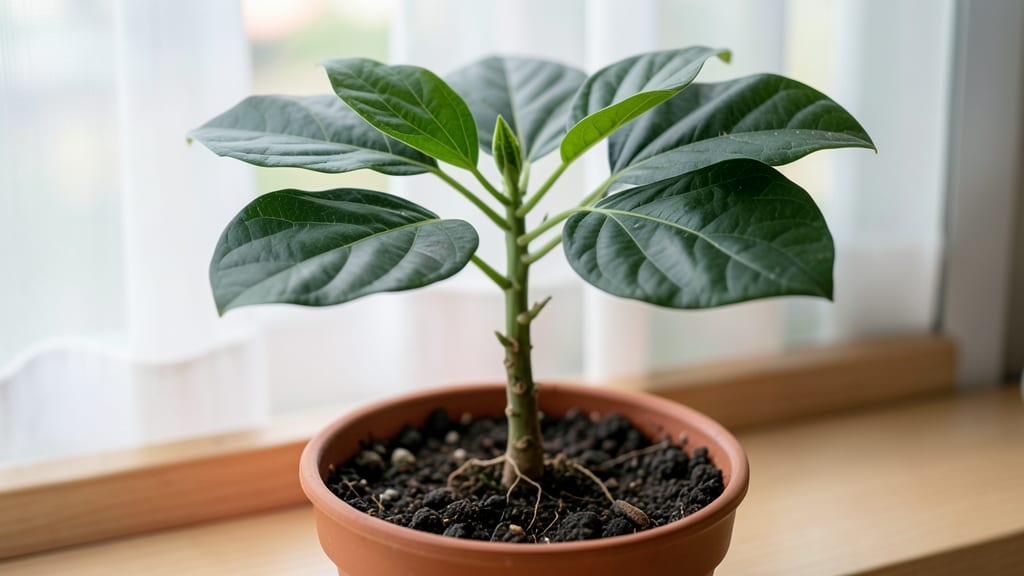
Turn that jackfruit seed into a thriving sprout in just 10 days—no waste, no fuss. 🌱 I’ve sprouted dozens of these seeds, and the key isn’t some secret trick but understanding their quirks: they need warmth, moisture, and patience to break dormancy.
Most people rush the process and end up with moldy seeds or stunted growth, but this method works every time. Start with a small pot, lightweight potting mix, and a seedling heat mat set to 75-80°F—jackfruit seeds refuse to germinate in cold soil.
Keep the mix damp (not soggy) and cover the pot loosely with plastic wrap to trap humidity. Within 3-5 days, you’ll see a tiny root crack through, and by day 10, you’ll have a sturdy 2-inch sprout ready for transplanting. The real payoff?
A fast-growing tree that thrives in heat and humidity, plus the satisfaction of turning grocery-store trash into a living plant. No green thumb required—just follow these steps, and you’ll have your first true leaves in weeks.
This method works year-round, but if you’re in a cooler climate, start seeds indoors under a grow light. The hardest part? Waiting for that first root to appear. Trust me, it’s worth it.
📚 In This Guide
- What you need
- Instructions
- Tips and common mistakes
- Wrapping up and next steps
What you need
- ● Jackfruit seeds: 10–20 fresh, firm seeds (avoid soft or moldy ones). Pro tip: 💡 Rinse seeds gently to remove pulp before sprouting.
- ● Sprouting jar (or mason jar) with lid: 1 quart-sized jar with a fine-mesh lid or a sprouting lid (or a clean kitchen towel + rubber band as a DIY alternative).
- ○ Organic potting soil or coconut coir: 1 small bag (for soil-based sprouting, optional but great for larger seeds).
- ● Water: Filtered or distilled (chlorine-free) for rinsing.
- ● Colander or fine-mesh strainer: 1 (for draining excess water).
- ● Paper towels or sprouting tray: 1–2 sheets (for drying seeds if pre-soaking).
- ○ Spray bottle (optional): For misting seeds if humidity is low.
- ● Label & marker: To track sprouting days (fun for kids!).
- ● ✅ Time: 10–15 minutes daily for rinsing (or 5 minutes if using a self-watering jar).
- ● ✅ Space: A sunny windowsill (indirect light) or countertop.
- ● ✅ Patience: Sprouts take 7–10 days to reach the perfect 1-inch size!
Step-by-Step instructions for growing jackfruit seed sprouts
Here's how to turn grocery-store jackfruit seeds into fast-growing sprouts—no special tools needed.
🌱 Step 1: Select and Prepare the Seeds
Start with fresh jackfruit seeds—look for plump, intact ones with no cracks or soft spots. Rinse them thoroughly under cool water to remove any pulp residue, then let them air-dry completely on a paper towel for about 1 hour. This prevents mold from forming later.
I like to soak the seeds overnight in a glass of water to soften the outer shell slightly. This makes them easier to handle and speeds up germination. Just don’t let them dry out after soaking—they’ll need to stay moist for the next steps.
💧 Step 2: Set Up Germination Containers
Use a shallow container with drainage (like a plastic takeout tray or small pot) and line the bottom with a damp paper towel or thin layer of moistened sphagnum moss. Place the seeds about 1 inch apart—crowding them slows growth and invites rot. Cover the container loosely with another paper towel or plastic wrap to retain humidity.
Set the container in a warm spot, ideally between 70-80°F. A sunny windowsill or near a heat vent works well. Check daily and mist the paper towel with water if it feels dry to the touch. You’ll see tiny white roots emerge within 3-5 days—that’s your cue to move to the next phase.
☀️ Step 3: Transition to Light and Soil
Once roots reach about 1 inch long, transfer the sprouts to small pots filled with light, well-draining potting mix. Gently press the soil around the roots to secure them, but don’t bury the seed too deep—just enough to hold it steady. Place the pots under bright, indirect light for the first week to avoid shocking the delicate seedlings.
Water lightly every 2-3 days, keeping the soil consistently moist but never soggy. You’ll notice the first true leaves (not the seed leaves) appear within 7-10 days
After the first leaves emerge, move the seedlings to a spot with 4-6 hours of direct sunlight daily. A south-facing window or grow light works best. Rotate the pots weekly so the seedlings grow straight instead of leaning toward the light. You’ll see them thicken and develop a sturdy stem within 2-3 weeks. Feed the seedlings with a diluted balanced liquid fertilizer (half-strength) every 4 weeks to encourage strong growth. If you’re growing multiple sprouts, thin them to the healthiest 2-3 per pot to avoid competition. Watch for yellowing leaves—this usually means overwatering or poor drainage, so adjust your care routine immediately.🌿 Step 4: Care for Young Seedlings
Tips & tricks for perfect jackfruit seed sprouts
Here's what I learned the hard way after struggling with moldy seeds and stunted growth—these tricks make all the difference.
Seed Selection Tip: When picking seeds in Step 1, look for ones that sink in water—they're denser and more likely to sprout. I also avoid any with dark spots or soft areas, as these often indicate rot. The 1-hour air-drying step is non-negotiable: I once skipped it and ended up with moldy seeds by day 3. Trust me, that's one mistake you won't make twice.
Germination Environment: The 70-80°F range in Step 2 is ideal, but don't worry if your home runs cooler. I've had great success with a simple DIY solution: place the container on top of my fridge (not inside) which creates a warm microclimate. Just avoid direct sunlight during this phase—bright light now can actually slow down root development. Those tiny white roots should appear within 3-5 days, but if they don't, check your humidity level.
Light Transition Strategy: When moving sprouts to soil in Step 3, I recommend using a grow light if natural light is insufficient. Place it about 6 inches above the seedlings and leave it on for 12-14 hours daily. The first week of indirect light is crucial—direct sun can scorch the delicate seedlings. You'll know you're doing it right when you see those first true leaves emerge around day 7-10.
Troubleshooting Yellow Leaves: If you notice yellowing leaves in Step 4, it's usually a sign of overwatering or poor drainage. I've found that using a mix of potting soil with perlite (50/50 ratio) helps prevent this. Also, make sure your pots have drainage holes—no exceptions! When fertilizing, always dilute that balanced liquid fertilizer to half-strength, and never apply it to dry soil. The roots need time to absorb moisture first.
Pro Tips for Jackfruit Seed Sprout
- Here's what I learned the hard way after struggling with moldy seeds and stunted growth—these tricks make all the dif...
- Seed Selection Tip: When picking seeds in Step 1, look for ones that sink in water—they're denser and more likely to ...
- Germination Environment: The 70-80°F range in Step 2 is ideal, but don't worry if your home runs cooler. I've had gre...
Frequently asked questions
about jackfruit seed sprouting—because growing your own greens should be easy (and fun!)How long does it take for jackfruit seeds to sprout?
Most jackfruit seeds sprout within 5–10 days when kept in warm, moist conditions (70–80°F). Soak seeds overnight first to speed up germination. If no sprouts appear after 2 weeks, try replanting a fresh batch—they can be finicky! Pro tip: Check for tiny white roots peeking out before transferring to soil.
Can I grow jackfruit seeds indoors without sunlight?
Yes! Use a grow light (12–16 hours/day) or place near a sunny window (south-facing is best). Jackfruit sprouts need bright, indirect light to avoid leggy growth. If leaves turn yellow, they’re craving more light—adjust placement or supplement with artificial light. Pro tip: Rotate pots weekly for even growth.
What if my jackfruit seed sprouts mold or smells bad?
Mold or foul odors mean too much moisture or poor airflow. Let soil dry slightly between waterings (keep it damp, not soggy) and ensure pots have drainage holes. If mold appears, remove affected sprouts and repot healthy ones in fresh, sterile soil. Prevent it: Use a spray bottle for gentle watering and avoid overcrowding seeds.
Are jackfruit seed sprouts edible, and how do I use them?
Yes! Young sprouts (harvest when leaves are 2–3 inches tall) are edible and nutritious, packed with protein and fiber. Use them raw in salads, blend into smoothies, or sauté like spinach. Wait until fully grown (6+ months) to eat the seeds—they’re toxic raw but safe roasted or cooked. Caution: Always confirm seed source is organic/pesticide-free.
What’s a good alternative if jackfruit seeds won’t sprout?
Try these easy-to-sprout seeds for zero-waste greens:
- Mung beans (3–5 days)
- Chia seeds (5–7 days)
- Radish seeds (4–7 days)
- Sunflower seeds (7–10 days)
Wrapping up and next steps
Transforming jackfruit seeds into lush sprouts isn’t just a zero-waste win—it’s a rewarding journey that connects you to nature while creating nutrient-packed greens for your garden or kitchen! 🌱 From soaking to sprouting in just 10 days, you’ve unlocked a simple, sustainable practice that turns food scraps into thriving life.
Ready to take it further? Experiment with growing your own jackfruit tree from a sprout or share your sprouts with friends to spread the green goodness!