
Lawn
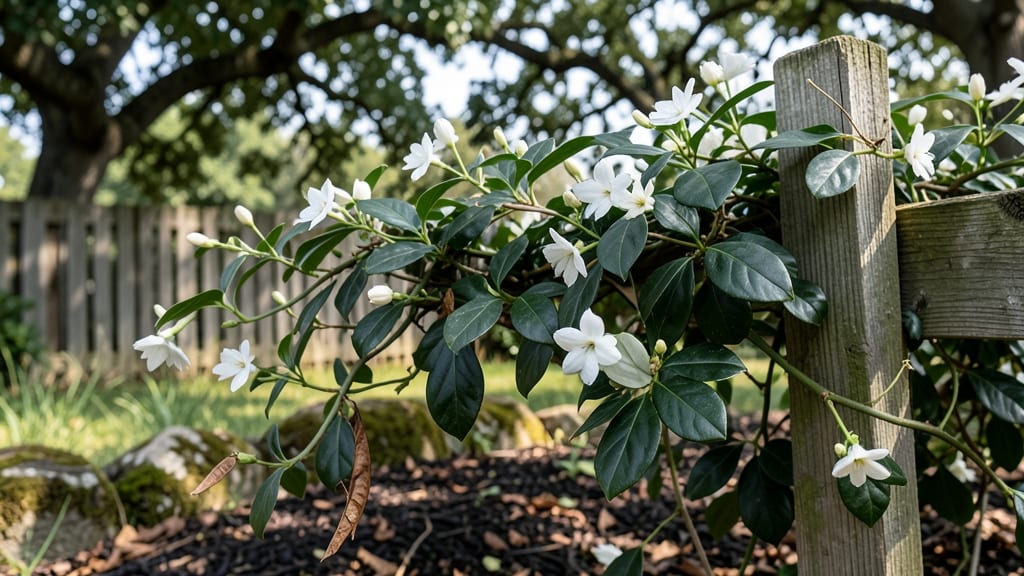
Harvesting jasmine seed pods without the painful twisting struggle is possible—and it starts with knowing when they're ready. 🌿 Those plump, brown pods appear after your jasmine blooms fade, and if you wait too long, they’ll crack open on their own, scattering seeds everywhere.
The secret is patience: let them mature fully on the vine before gently snipping them, then dry them indoors for a week to prevent mold.
You’ll need just a few simple supplies: sharp scissors, a paper bag for drying, and a small container for starting seeds. Jasmine seeds germinate best in warmth (70–75°F) and bright, indirect light, so a sunny windowsill or grow light works perfectly.
The tricky part? They can take 4–6 weeks to sprout—don’t give up if nothing happens in the first two weeks.
Once those first tiny green leaves appear, you’ll know you’re on the right track. The seedlings are delicate, so keep the soil moist but not soggy, and avoid moving them until they’ve developed a few sets of true leaves.
This method works best for star jasmine or Arabian jasmine, though cuttings are often easier for established plants.
If you’re impatient like I was, consider propagating from cuttings instead—they root faster and keep the parent plant’s traits. But for the rewarding challenge of growing from seed, this stress-free approach ensures you’ll have fragrant jasmine vines to enjoy for years. Here’s how to make it work without the frustration.
📚 In This Guide
- What you need
- Instructions
- Tips and common mistakes
- Wrapping up and next steps
What you need
- ● Jasmine seed pods: Ripe pods (brown, dried, and slightly papery) from mature jasmine plants (e.g., Jasminum officinale or Jasminum sambac). Aim for 5–10 pods per harvest (adjust based on plant size).
- ● Pruning shears or sharp scissors: Clean, sterilized (70% isopropyl alcohol wipe) to avoid plant disease. Choose bypass-style for precision cuts.
- ○ Gloves (optional but recommended): Nitrile or cotton to protect hands from thorns or sap.
- ● Paper bags or breathable mesh bags: 1–2 bags (10x12 inches) to collect pods and allow airflow.
- ● Labeling tags & permanent marker: For tracking harvest dates or pod varieties.
- ● Mature jasmine plants: At least 2–3 years old for optimal pod production. Ensure plants are healthy and pest-free.
- ● Dry weather window: Harvest on a sunny, wind-free day (morning hours preferred) to prevent humidity from spoiling pods.
- ● Clear workspace: Lay down a tarpaulin or old sheet to catch fallen pods or debris.
- ● 🌡️ Timing is key: Pods are ready when they turn brown and split open slightly—harvest before they release seeds naturally!
- ● ✨ Thorn-proof hack: Wear long sleeves and use a trowel to gently lift pods from hard-to-reach spots.
- ● 📊 Storage savvy: Store pods in a cool, dry place (e.g., airtight container with silica gel) to extend freshness for up to 6 months.
How to harvest jasmine seed pods without the usual frustration
Here's the gentle method I use to collect jasmine seeds without bruising the plant or losing patience.
🌿 Step 1: Identify and Wait for Mature Pods
Jasmine seed pods ripen in stages—wait until they turn from green to a deep brown color, about 4-6 weeks after flowering. The pods should feel dry and papery to the touch, almost like crinkling paper when gently squeezed. I always check pods on the same branch first, since they mature unevenly across the plant.
Harvesting too early means the seeds won't germinate, while waiting too long risks the pods splitting open naturally and scattering seeds prematurely. If you see a pod beginning to crack open, harvest it immediately—those seeds need to be collected within 24 hours or they'll lose viability.
✂️ Step 2: Gather Tools and Approach the Plant
You'll need clean, sharp pruning shears and a small bowl or paper bag to collect the pods. I always work on a dry day when the pods are firm—rain makes them slippery and harder to handle. Approach the plant from the side where the pods are most accessible, and avoid tugging branches that might snap under pressure.
Jasmine vines can be delicate, so I never pull pods directly off the stem. Instead, I cut the entire stem section containing the ripe pods, then remove them carefully indoors. This method preserves the plant's health while giving you full access to all the pods at once.
🪴 Step 3: Remove Pods and Prepare for Storage
Once you've cut the stem, lay it on a clean surface and gently twist each pod away from the stem. The pods should separate cleanly if they're fully mature. Place them in your collection container, leaving any unripe pods still attached to the stem for later harvesting.
Let the pods dry completely for 3-5 days in a warm, dry place away from direct sunlight. I spread them out on a paper towel to ensure airflow circulates around each pod. Once fully dry, they'll rattle when shaken—a sure sign they're ready for seed extraction.
🌱 Step 4: Extract Seeds and Test Viability
Open each dried pod by gently squeezing it between your fingers until it splits open. Inside, you'll find small, flat seeds that should be dark brown and firm. I place them in a small envelope labeled with the harvest date—this helps track germination rates later.
To test viability, soak a few seeds in warm water for 24 hours. Healthy seeds will plump up noticeably, while shriveled or floating seeds should be discarded. Store viable seeds in a cool, dry place until you're ready to plant—jasmine seeds stay viable for up to 2 years when stored properly.
⏰ Step 5: Plant or Store for Future Growing
If you're ready to grow, sow the seeds in a well-draining mix at a depth of about ¼ inch, keeping the soil consistently moist until germination, which typically occurs in 14-21 days. I use a humidity dome to maintain ideal conditions without overwatering.
For long-term storage, place the seeds in an airtight container with a desiccant packet to absorb moisture. Label the container with the date and variety—jasmine seeds lose viability quickly once exposed to humidity. This method keeps them ready for planting whenever you're inspired to grow more fragrant vines.
Tips & tricks for stress-free jasmine seed pod harvesting
Avoid the common pitfalls that turn seed collecting into a frustrating battle with your jasmine plant.
The Ripeness Test: When checking for mature pods in Step 1, focus on the sound as much as the look. A fully ripe pod will make a faint rattling noise when shaken gently—this confirms seeds are ready. I've learned the hard way that visual cues alone aren't enough; the auditory test is your secret weapon against premature harvesting. The 4-6 week timeline is your baseline, but environmental factors like sunlight exposure can accelerate ripening in some branches.
Tool Selection Strategy: For Step 2, invest in pruning shears with a 6-8 inch blade length—they give you the perfect balance of precision and reach for jasmine vines. I avoid using scissors because they can crush the delicate stems. If you're working with particularly thick stems, consider using small hand pruners instead. Remember to sterilize your tools with rubbing alcohol between cuts to prevent disease transmission.
Drying Optimization: In Step 3, maximize airflow during the 3-5 day drying period by placing your pods on a wire cooling rack instead of a paper towel. This creates space for air circulation on all sides, speeding up the drying process without direct sunlight exposure. I've found that pods dried this way develop a slightly darker brown hue, which often correlates with higher seed viability. Monitor them daily—over-drying can make the pods brittle and difficult to open later.
Viability Verification: The 24-hour water test in Step 4 is your quality control measure, but here's a pro tip: use distilled water instead of tap water for more consistent results. Tap water minerals can sometimes cause false positives with seed plumping. I also recommend testing 3-5 seeds per batch rather than just one—this gives you a more representative sample of your harvest's potential. Store your test seeds separately from your main batch so you don't accidentally use them for planting.
Pro Tips for Jasmine Seed Pods
- Avoid the common pitfalls that turn seed collecting into a frustrating battle with your jasmine plant.
- The Ripeness Test: When checking for mature pods in Step 1, focus on the sound as much as the look. A fully ripe pod ...
- Tool Selection Strategy: For Step 2, invest in pruning shears with a 6-8 inch blade length—they give you the perfect ...
Frequently asked questions
Got questions about jasmine seed pods?
You’re not alone! Whether you’re a first-time harvester or a seasoned gardener, these answers will help you navigate the process like a pro—without the frustrating twists and turns.
When is the best time to harvest jasmine seed pods?
Harvest jasmine seed pods when they turn light brown and feel slightly dry to the touch (usually late summer to early fall). Avoid harvesting when they’re still green—they won’t be fully mature, and the seeds may not germinate. Wait until they pop open easily when gently squeezed!
What do I do if the pods won’t open naturally?
If pods stay stubbornly closed, try these tricks:
- Freeze them for 24 hours—cold helps loosen the fibers.
- Rub between two towels to create friction and pop them open.
- Avoid twisting—this can damage the seeds or stems.
Can I use jasmine seed pods for anything besides planting?
Beyond seeds, dried jasmine pods can be
- Used in homemade potpourri for a fragrant touch.
- Crushed into organic mulch to enrich garden soil.
- Tied into natural garlands for rustic decor.
How long do harvested jasmine seeds stay viable?
Jasmine seeds typically stay viable for 1–2 years if stored properly in a cool, dry place (like an airtight container with silica gel). For best results, plant them within 6 months of harvest—they germinate faster when fresh!
What if my jasmine plant isn’t producing seed pods?
No pods? Check these common issues:
- Age of the plant: Young jasmine plants (under 2 years) may not flower or produce pods.
- Lack of sunlight: Jasmine needs 6+ hours of direct sun daily to bloom.
- Over-fertilizing: Too much nitrogen promotes foliage over flowers.
Wrapping up and next steps
Harvesting jasmine seed pods doesn’t have to be a frustrating battle—with the right tools and techniques, you can turn it into a smooth, rewarding process! 🌿 Whether you’re pruning for propagation, maintaining your garden, or simply tidying up, patience and precision are your best allies.
Now that you’re armed with expert tips, why not share your newfound skills with fellow gardeners or explore creative ways to repurpose those pods?
Ready to elevate your gardening game? Grab your gloves and start harvesting with confidence—your jasmine plants will thank you! 🌟