
Propagation
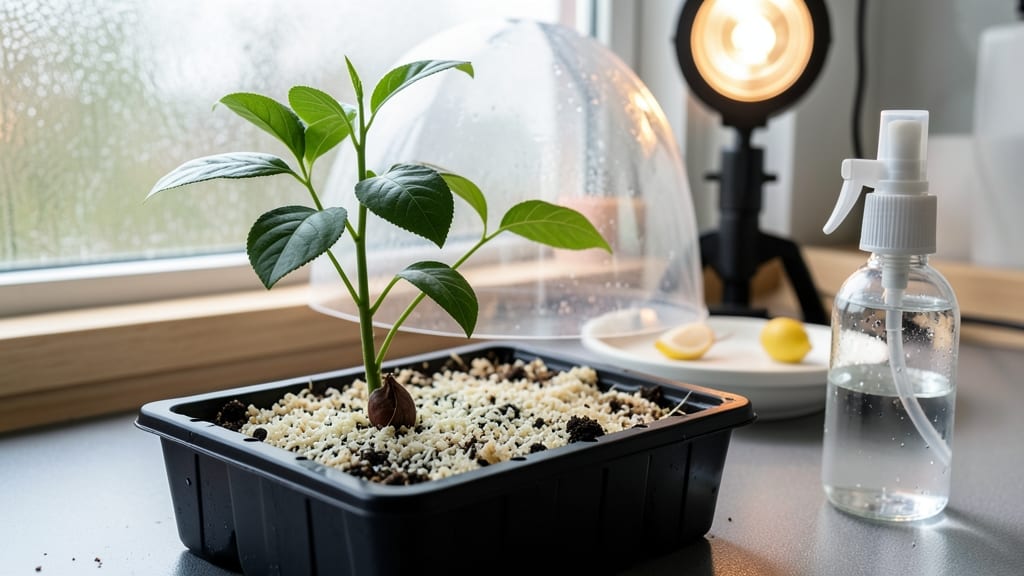
Lemon seed germination in 10–14 days isn’t luck—it’s science you can control. 🌱 The key lies in mimicking tropical conditions right on your windowsill, where humidity, warmth, and light work together like a tiny greenhouse. I've turned store-bought lemons into thriving seedlings this way for years, and the trick starts with how you prepare those tiny seeds before they even touch soil.
You'll need just three supplies: fresh lemon seeds (the fresher, the better), a shallow tray or container with drainage, and a mix of potting soil and perlite for airflow. The secret weapon?
A plastic bag or humidity dome to keep moisture levels steady without drowning the seeds. Most people overwater at this stage, which actually suffocates the sprouts before they start.
By week two, you'll see those first pale green shoots pushing through the soil—proof you've cracked the germination code. The seedlings will need bright, indirect light to stay sturdy, and you'll gradually harden them off before transplanting.
That first harvest of lemons? It's 3–5 years away, but every tiny root you nurture now builds toward that citrusy payoff.
Works in any sunny window, from kitchen counters to sunrooms. Here's where the real magic happens—where patience meets science, and a grocery store lemon becomes the start of something extraordinary.
📚 In This Guide
- What you need
- Instructions
- Tips and common mistakes
- Wrapping up and next steps
What you need
- ● Lemon seeds: 3–5 fresh, plump seeds (harvested from organic lemons for best results).
- ● Seed-starting mix: 1–2 cups of lightweight, well-draining potting soil (or a 50/50 blend of peat moss and perlite).
- ● Small pots or containers: 2–3 shallow pots (3–4 inches deep) with drainage holes, or a seed tray with individual cells.
- ● Water: Room-temperature, filtered or rainwater (avoid tap water if it’s heavily chlorinated).
- ○ Spray bottle: For gentle watering (optional but helpful for precision).
- ● Clear plastic wrap or humidity dome: To retain moisture during germination (e.g., a plastic bag or store-bought propagator).
- ● Tweezers or toothpick: For carefully placing seeds in the soil.
- ● Small hand shovel or spoon: To gently cover seeds with soil.
- ○ Heat mat (optional): A seedling heat mat (set to 70–80°F) speeds up germination by 2–3 days.
- ● Grow lights or sunny windowsill: A south-facing window or LED grow light (12–16 hours/day) for consistent light.
- ○ Fertilizer (optional): A diluted, organic seedling fertilizer (like fish emulsion) after sprouts emerge.
Step-by-Step instructions for germinating lemon seeds
Here's how to coax those citrus seeds into sprouts in under two weeks—no fancy equipment needed.
🌱 Step 1: Prepare the Seeds for Faster Germination
First, rinse the seeds under cool water to remove any pulp or residue—this prevents mold. I like to soak them in a bowl of warm water for 12-24 hours while I gather supplies. The seeds will puff up slightly when ready, which means the outer coating has softened and germination can begin.
After soaking, place the seeds between two damp paper towels. Fold the towels so the seeds are snug but not crushed—this keeps them moist without drowning. Store the wrapped seeds in a sealed plastic bag and place them in a warm spot, like on top of the fridge. Check daily: the towels should stay damp but not soggy. You'll see tiny white roots emerge in 3-7 days—that's your signal to move to soil.
🪴 Step 2: Choose Containers and Fill with Light Mix
Use small pots, egg cartons, or even plastic cups with drainage holes—anything that holds 2-3 inches of soil. I prefer biodegradable pots because they eliminate transplant shock later. Fill the containers with a mix of 50% potting soil and 50% perlite or sand—this ensures good drainage while keeping moisture.
Don't pack the soil too tightly. Lemon seeds need loose, airy soil to push through easily. Tap the container gently on the counter to settle the mix, then create a ¼-inch deep hole with your finger. This is where the seed will go—deeper planting slows germination, and shallower risks drying out.
💧 Step 3: Plant and Water for Optimal Moisture
Gently place one seed in each hole, root-side down if visible. Cover it with a thin layer of soil—just enough to hide the seed completely. Water lightly with a spray bottle until the soil feels damp 1 inch down. Overwatering now will suffocate the seed; you want it moist but not waterlogged.
Place the pots in a warm, bright spot—a south-facing windowsill gets 60-70°F during the day, which is ideal. If your home runs cooler, use a seedling heat mat to maintain 70-75°F. Keep the soil consistently moist: stick your finger in daily. If the top inch feels dry, water again. Germination happens fastest when the soil stays evenly damp.
☀️ Step 4: Provide Light and Monitor for Sprouts
Once the first sprouts appear—usually 7-14 days—move the pots to the brightest window you have. Lemon seedlings need 4-6 hours of direct sunlight daily to prevent leggy growth. If leaves start stretching toward the light with pale stems, rotate the pots daily so they grow straight.
Here's the thing—lemon seedlings are sensitive to cold drafts. Keep them away from AC vents or open windows. You'll know they're thriving when the first pair of true leaves (not the initial seed leaves) appear. At this stage, they're ready for slightly less frequent watering—let the top inch dry out between waterings to build root strength.
⏰ Step 5: Transplant and Care for Young Seedlings
After 4-6 weeks, when seedlings have 3-4 sets of true leaves, it's time to transplant. Choose slightly larger pots—4-6 inches deep—and use the same light, airy soil mix. Gently remove the seedling, keeping the root ball intact, and place it in the new pot. Water thoroughly to settle the soil around the roots.
Now's the time to introduce a balanced liquid fertilizer (half-strength) every 2-3 weeks. Lemon trees grow slowly at first, so don't rush it. Watch for yellowing leaves—this usually means overwatering. Adjust your watering so the soil stays moist but never soggy. With patience, you'll have a 12-inch seedling in about 6 months, ready for its first pruning.
Tips & tricks for perfect lemon seed germination
Here's what nobody tells you about getting those stubborn lemon seeds to sprout consistently.
Soaking Secret: Don't just rinse the seeds—soak them in warm water for the full 12-24 hours to soften the outer coating. I've tried shorter soaks, and the seeds just don't germinate as reliably. Change the water halfway through if it gets cloudy, which prevents bacterial growth that could rot your seeds before they sprout. The puffing up you see is your green light—it means the seed's ready to break through!
Temperature Matters: Those 70-75°F temps in Step 3 are non-negotiable for speed. If your kitchen runs cooler, invest in a cheap seedling heat mat ($10) or place the pots on top of your fridge. I once tried germinating seeds in a 65°F room and it took nearly twice as long. Pro tip: Check the temperature with a thermometer—citrus seeds are sensitive to cold drafts from windows or AC vents.
Light Strategy: The 4-6 hours of direct sunlight in Step 4 is crucial, but placement matters more than you'd think. South-facing windows work best, but if you only have east or west exposure, supplement with a grow light for 2 extra hours. I've seen seedlings stretch toward light like little sun-worshippers—rotate your pots daily to prevent this "leggy" growth. The goal is straight, sturdy sprouts that can support themselves.
Transplant Timing: Wait for those 3-4 sets of true leaves before transplanting in Step 5—don't rush it! I made the mistake of moving seedlings too soon, and their delicate roots got damaged. When you do transplant, use the "root ball" method: slide the seedling out with its soil intact. This shock-free transfer gives your little tree a fighting chance to establish itself in its new home.
Pro Tips for Lemon Seed Germination
- Here's what nobody tells you about getting those stubborn lemon seeds to sprout consistently.
- Soaking Secret: Don't just rinse the seeds—soak them in warm water for the full 12-24 hours to soften the outer coati...
- Temperature Matters: Those 70-75°F temps in Step 3 are non-negotiable for speed. If your kitchen runs cooler, invest ...
Frequently asked questions
Got questions about getting your lemon seeds to sprout like a pro? Here are answers to the most common ones—so you can avoid guesswork and grow with confidence!
How long does it take for lemon seeds to germinate?
Lemon seeds typically sprout in 14–30 days when kept in warm (70–85°F), moist conditions. Patience is key—some seeds may take longer, especially if stored dry or chilled. Speed up germination by soaking seeds in warm water for 24 hours before planting!
Can I refrigerate lemon seeds to speed up germination?
Nope! Refrigerating seeds slows germination. Instead, place them in a warm spot (like a sunny windowsill) to encourage faster sprouting. If your home is chilly, use a seedling heat mat or group pots together to retain warmth.
What if my lemon seeds won’t sprout—what’s the fix?
Try these troubleshooting steps:
- Check moisture: Keep soil damp (not soggy) and use a spray bottle for gentle watering.
- Test viability: Soak seeds in water for 24 hours—if they sink, they’re likely viable.
- Adjust warmth: Move pots to a warmer spot (e.g., near a heater or in a greenhouse).
- Try scarification: Lightly sand the seed coat to help water penetrate.
Can I grow a lemon tree from a store-bought lemon?
Store-bought lemons (like Eureka or Meyer) work great for germination. Just rinse off any wax or stickers, dry the seeds, and plant them. Pro tip: Meyer lemons are the easiest to grow indoors and may even produce fruit!
Do lemon seeds need light to germinate?
Nope! Seeds germinate best in darkness at first. Once sprouts emerge (about ½ inch tall), move them to bright, indirect light. Too much light too soon can dry out tender seedlings—think "sunlight for growth, shade for roots."
What’s the best soil mix for lemon seed germination?
Use a light, well-draining mix like:
- 50% potting soil
- 30% perlite or vermiculite
- 20% coconut coir or sand
Wrapping up and next steps
Germinating lemon seeds is a rewarding journey that brings a touch of nature’s magic into your home—and you’ve got all the tools to succeed! With the right balance of moisture, warmth, and patience, you’ll watch those tiny seeds sprout into vibrant seedlings in no time. 🌱 Whether you’re a gardening novice or a seasoned green thumb, this simple process proves that even the smallest seeds hold big potential.
Now that you’re armed with knowledge, why not take the next step? Share your sprouting progress with fellow plant lovers, experiment with different containers, or even gift your seedlings to friends. Happy growing—your citrus adventure is just beginning! 🌟