
Lawn
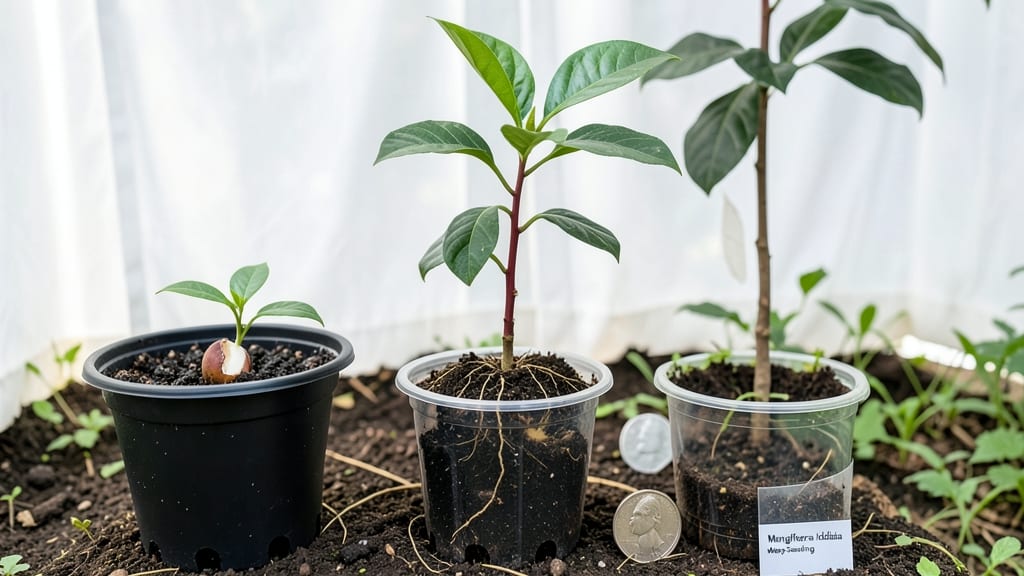
Watching the stages of mango seed growth reveals nature’s slow magic—those first tiny leaves breaking through the shell are the start of a journey that could one day feed your family. 🌱 The first 90 days set the foundation for everything that follows, from a fragile sprout to a sturdy sapling ready for outdoor life.
I’ve watched my own seedling go from a 1-inch sprout to a 3-foot sapling in that time, and the care you give now determines whether it thrives or struggles later.
Day 1 starts with a damp paper towel and patience—your seed needs warmth (70-80°F) and moisture to crack open. Once sprouted, transplant it into well-draining potting mix (never let it sit in water) and place it in bright, indirect light.
Those first leaves are delicate; overwatering kills more seedlings than drought. By week 4, you’ll see true leaves (not the seedling’s first cotyledons) and can gradually introduce sunlight, but never full sun yet—you’re hardening it off for outdoor life.
By month 3, your sapling should be 2-3 feet tall with a sturdy stem, ready for its first outdoor adventure. This is when most gardeners make the mistake of rushing—planting too early in cool climates or skipping the gradual transition.
I learned that the hard way when my first seedling got frost damage. Instead, let it spend mornings outside, then bring it in at night for 2-3 weeks before full-time outdoor living. The roots will thank you when summer arrives.
Here’s the plot twist: this sapling won’t fruit for 5-10 years, but the journey is where the real rewards lie. Watching it grow from a fragile sprout to a tree that could one day bear fruit teaches you more about gardening than any book ever could.
The key milestones—first leaves, true foliage, and that first outdoor transplant—are your roadmap to success. Now, let’s get that seed sprouting!
📚 In This Guide
- What you need
- Instructions
- Tips and common mistakes
- Wrapping up and next steps
What you need
- ● Mango seeds: 3–5 fresh, plump seeds (harvested from ripe, organic mangoes). Pro tip: 💡 Avoid seeds from store-bought mangoes—chemical treatments can hinder germination!
- ● Containers: 1–2 small pots (3–4 inches deep) with drainage holes for germination.
- ● 1 larger pot (10–12 inches deep) or nursery tray for transplanting seedlings.
- ● Potting mix: 2–3 bags of well-draining, sterile cactus/succulent mix or a blend of 50% peat moss + 50% perlite (avoid heavy garden soil).
- ● Tools: Small hand trowel or spoon for planting.
- ● Spray bottle (for misting).
- ● Scissors or pruners (for trimming roots during transplanting).
- ● Measuring cup (for watering consistency).
- ○ Warmth: Consistent temperature of 75–85°F (24–29°C). Use a seedling heat mat (optional) if indoors during cooler months.
- ● Humidity: High humidity (70–80%) for germination. A plastic dome or humidity tray helps (or place containers in a shower stall while waiting for sprouts!).
- ● Light: Germination: Indirect light (e.g., near a bright window).
- ● Seedling stage: 6+ hours of direct sunlight daily or a grow light.
- ● Water: Distilled or filtered water (chlorine-free). Keep soil moist but not soggy.
- ● Fertilizer: Balanced liquid fertilizer (5-5-5 or 10-10-10) diluted to half-strength, applied after the first true leaves appear.
- ● Growth hormone: Rooting hormone gel (dip seeds before planting for faster germination).
- ● Support: Small bamboo stakes or toothpicks to prop up weak seedlings.
- ● Soil test kit: To check pH (ideal range: 6.0–7.0).
Step-by-step guide to mango seed growth stages
Watch your mango seed transform from a tiny sprout into a sturdy sapling—here’s exactly what to expect each week.
🌱 Step 1: Germination (Days 1-14)
Start by soaking your mango pit in warm water for 24 hours to soften the hard outer shell. Plant it 1 inch deep in a small pot filled with well-draining potting mix, leaving the flat side down. Keep the soil consistently moist but not soggy—65-75°F warmth speeds up germination. You’ll see the first crack in the pit shell around day 7, followed by a tiny radicle breaking through within 10-14 days.
This is the most delicate stage—overwatering now causes rot, while dryness halts growth. A clear plastic bag loosely draped over the pot creates a mini greenhouse effect, but remove it once the sprout reaches 1 inch tall to prevent fungal issues. Watch for the first true leaves emerging after germination; they’ll look different from the initial seed leaves.
🌿 Step 2: Seedling Establishment (Weeks 3-6)
Once the seedling reaches 3-4 inches tall, it’s time to transition to a 5-inch pot with fresh potting mix. Handle the roots gently—mango seedlings are fragile and resent disturbance. Place the pot in bright, indirect light for the first week to avoid leaf scorch, then gradually introduce 4-6 hours of morning sun daily. You’ll notice new leaves developing with a richer green color, signaling stronger growth.
Water when the top inch of soil feels dry, but avoid letting the roots sit in water. Yellowing leaves here mean overwatering, while crispy edges signal underwatering. Fertilize lightly with a balanced 10-10-10 solution at half-strength every 2 weeks—mango seedlings don’t need heavy feeding yet. By week 6, your sapling should have 5-7 true leaves and a sturdy stem.
☀️ Step 3: Sunlight and Hardening (Weeks 7-9)
Move the sapling to a south-facing window or under a grow light for 12+ hours of light daily. Mangoes crave sun, and leggy growth means it’s stretching for more. If outdoors, acclimate it gradually—start with 1 hour of direct sun per day, increasing by 30 minutes daily over 2 weeks. You’ll see the stem thicken and leaves darken as it toughens up.
By week 9, your sapling should be 12-18 inches tall with a pencil-thick stem. This is the ideal time to transplant it into a 1-gallon container if you’re keeping it indoors or a garden bed if temperatures stay above 60°F at night. Dig the hole twice as wide as the root ball to encourage outward growth. Water deeply after transplanting to settle the soil.
✂️ Step 4: Pruning and Maintenance (Weeks 10-12)
Pinch back the top set of leaves when the sapling reaches 2 feet tall to encourage bushier growth. Remove any yellow or damaged leaves immediately—they drain energy from the plant. If you notice buds forming, you’re on track for flowering in 3-5 years, though fruiting from seed-grown mangoes is rare without grafting.
Reduce watering slightly now—every 5-7 days—as the roots establish deeper. Mangoes are drought-tolerant once mature, so err on the side of underwatering. By 90 days, your sapling should be 2-3 feet tall with a thick trunk and lush foliage. Keep it in full sun and protect it from frost if temperatures drop below 50°F. With patience, this little tree could one day bear fruit—though it may take years.
Tips & tricks for perfect mango seed growth
Transforming a mango pit into a thriving sapling takes patience—and these insider secrets make all the difference.
Germination Success: Don't rush the 24-hour soak—this softens the pit's hard shell and kickstarts the metabolic processes. Confession: I skipped this step once and wondered why my pit took three weeks to crack. The warm water (around 75°F) is key—if your kitchen is cooler, place the pot on a heating pad set to low. Once planted, keep the soil consistently moist like a wrung-out sponge—never soggy.
Light Transition Strategy: In Step 2, when moving your 3-4 inch seedling to brighter light, do it gradually over 4-6 hours of morning sun. I learned this the hard way after frying the first true leaves with sudden direct sun. Start with east-facing windows or a grow light 12 inches away, then slowly increase exposure. The rich green color of new leaves is your best indicator of healthy photosynthesis.
Transplanting Technique: When repotting to a 5-inch pot or 1-gallon container, dig the hole twice as wide as the root ball to encourage outward growth. Gently loosen the roots with your fingers—don't pull or tear them. I use a chopstick to probe the soil around the edges, which helps break up compacted roots without damaging them. Water deeply after transplanting to settle the soil and eliminate air pockets.
Hardening Off: The 2-week acclimation period for outdoor plants is non-negotiable. Start with just 1 hour of direct sun, then increase by 30 minutes daily. Watch for the stem thickening and leaves darkening—these are visual cues your sapling is toughening up. I've seen beginners rush this and end up with sunburned leaves that never recover. If nighttime temps drop below 60°F, bring your sapling indoors until it's fully hardened off.
Pro Tips for Mango Seed Growth Stages
- Transforming a mango pit into a thriving sapling takes patience—and these insider secrets make all the difference.
- Germination Success: Don't rush the 24-hour soak—this softens the pit's hard shell and kickstarts the metabolic proce...
- Light Transition Strategy: In Step 2, when moving your 3-4 inch seedling to brighter light, do it gradually over 4-6 ...
Frequently asked questions
Got questions about growing mango seeds? You’re not alone! Here are answers to the most common queries to help you nurture your seedling from start to finish.
How long does it take for a mango seed to germinate?
A mango seed typically takes 15–30 days to germinate, depending on temperature and moisture. Keep the soil consistently damp (not soggy) and maintain warmth (around 75–85°F) for the best results. Patience is key—some seeds may take up to 60 days!
Can I speed up the germination process?
Yes! Soak the seed in warm water for 24–48 hours before planting to soften the outer shell. Use a heating mat (set to 80–85°F) or place the pot near a sunny window. Avoid overwatering, as excess moisture can cause rot. Pro tip: A clear plastic bag over the pot creates a mini greenhouse effect!
What’s the best soil mix for mango seed growth?
Use a light, well-draining mix like 50% peat moss or coco coir + 30% perlite + 20% vermiculite. Avoid heavy garden soil, which can suffocate roots. For containers, ensure drainage holes are present to prevent waterlogging. pH 6.0–7.0 is ideal.
Why isn’t my mango seed sprouting after 2 months?
If your seed hasn’t sprouted, it may be dormant, damaged, or improperly stored. Try these fixes:
- Check viability: Cut open the seed—if the inner kernel is brown or mushy, it’s likely dead.
- Replant: Soak a fresh seed and try again in a warmer spot.
- Patience: Some heirloom varieties germinate slower. Wait another 30–60 days.
How do I transplant a young mango seedling outdoors?
Wait until the seedling has 2–3 true leaves and is at least 6–12 inches tall. Harden it off by placing it outside for 2–3 hours daily over 1–2 weeks. Choose a sunny, sheltered spot with well-draining soil. Transplant in spring or early summer for best survival rates.
Wrapping up and next steps
Watching a mango seed transform into a thriving sapling in just 90 days is a rewarding experience! 🌱 From soaking the seed to nurturing the young plant, each stage offers a chance to connect with nature’s growth cycle.
Whether you’re growing mangoes for fruit, shade, or simply the joy of gardening, your efforts will soon bear fruit—literally.
Ready to take the next step? Plant your seeds today and enjoy the journey from sprout to sapling. Share your progress with fellow gardeners or experiment with different varieties—your green thumb is about to shine! 🌿