
Lawn
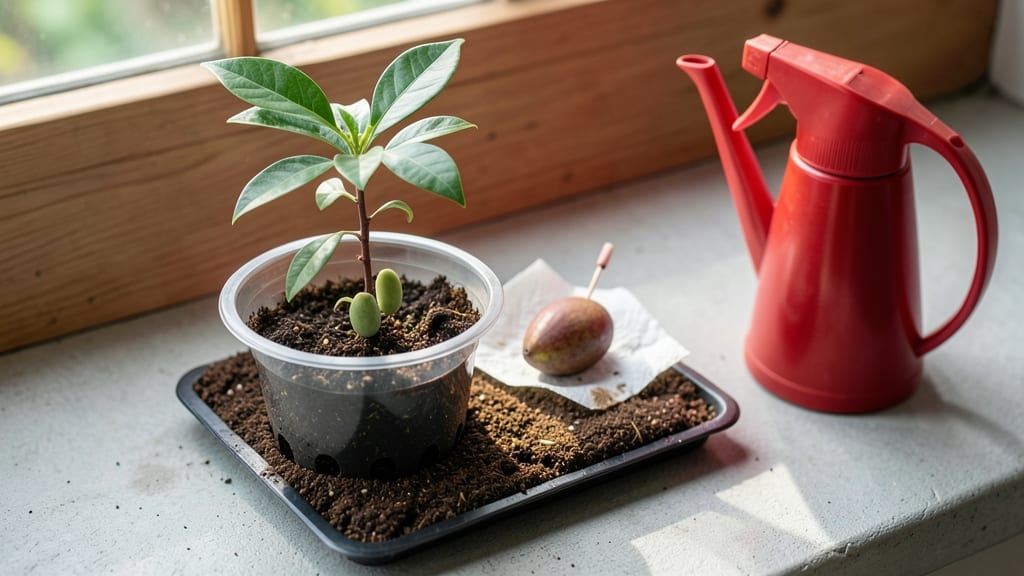
Turning a mango seed into a thriving tree means your kitchen trash could become a tropical shade tree in 10 years—and the mango seed growth journey is half the magic. 🌱 I’ve watched seeds sprout into 6-foot saplings—it’s slower than buying a grafted tree, but the reward of growing your own is unbeatable.
The first step is picking the right seed: freshness matters, and some varieties (like the sweet Alphonso) produce more reliable seedlings.
You’ll need a warm spot—mango seeds need 75-85°F to germinate, so a sunny windowsill or seedling heat mat works best. Soak the seed for 24 hours first, then plant it 1 inch deep in moist potting mix.
Keep the soil damp (not soggy) and expect sprouts in 2-4 weeks—patience is key here, especially if your seed is older.
Once the seedling appears, move it to brighter light and reduce watering slightly. By 6 months, you’ll have a sturdy 1-foot sapling with real leaves. The first few years focus on root growth—transplant carefully, and avoid cold drafts.
True fruit won’t appear for 5-10 years, but the journey is half the fun.
Troubleshooting slow starts? Check your seed—some varieties are sterile. Yellow leaves? Too much water. Brown tips? Dry air. The key is consistency: warmth, patience, and a little extra care when it’s young. Here’s how to keep it thriving.
📚 In This Guide
- What you need
- Instructions
- Tips and common mistakes
- Wrapping up and next steps
What you need
- ● Mango seeds: 1–3 fresh, plump seeds (harvested from ripe, organic mangoes for best results).
- ● Paper towels or damp cloth: 2–3 sheets (for pre-germination soaking).
- ● Plastic bag or airtight container: 1 (to maintain humidity during germination).
- ● Small pots or seed trays: 1–3 (4–6 inches deep, with drainage holes). Use biodegradable pots if transplanting later.
- ● Well-draining potting mix: 1 bag (sterilized, peat-based or coconut coir blend). Avoid garden soil—it can harbor pests!
- ● Spray bottle: 1 (for gentle watering).
- ● Sunlight or grow light: Access to indirect light (6–8 hours/day) or a 12–16 hour light cycle for seedlings.
- ○ Fertilizer (optional but helpful): Balanced liquid fertilizer (e.g., 10-10-10) or compost tea for young saplings.
- ● Seedling heat mat: 1 (keeps soil warm, speeds up germination).
- ● Humidity dome or plastic wrap: 1 (creates a greenhouse effect for faster sprouting).
- ● pH testing kit: 1 (to check soil pH—mangoes thrive in slightly acidic soil, pH 5.5–6.5).
- ● Pruning shears: Small pair (for trimming leggy seedlings later).
- ● Mulch or wood chips: 1 bag (retains moisture and regulates soil temperature).
- ● Label markers: 3–5 (to track seed varieties and planting dates!).
Step-by-Step instructions for germinating mango seeds
Here's how I turn a grocery-store mango pit into a thriving sapling—no fancy tools required.
🌱 Step 1: Extract and Prepare the Seed
Start with a fresh, ripe mango—older seeds germinate poorly. Crack open the pit with a nutcracker or hammer, then separate the two halves. You'll see the seed inside, encased in a brown, papery shell. Remove the shell carefully, leaving the seed intact—it's this oval-shaped, tan-colored nut that holds all the potential.
Here's the thing—mango seeds have a hard outer layer that slows water absorption. I like to soak them for 24 hours in warm water to soften the shell. Change the water halfway through to prevent mold. After soaking, gently rub the seed between two towels to remove any remaining outer coating. This step ensures faster, more reliable germination.
💧 Step 2: Create the Ideal Germination Environment
Fill a small container with well-draining potting mix—I use a mix of equal parts peat moss and perlite for airflow. Moisten the soil until it's damp but not soggy, then plant the seed 1 inch deep, pointed end up. Press lightly around the seed to ensure good soil contact, which helps with moisture uptake.
Cover the container with plastic wrap to create a mini greenhouse effect. Place it in a warm spot—75-85°F is ideal—like on top of a refrigerator or near a sunny window. Check daily for condensation on the plastic; if it's dry, mist the soil lightly. Germination can take 2-6 weeks, so patience is key. You'll know it's working when you see a tiny sprout breaking through the soil.
☀️ Step 3: Provide Light and Gradual Exposure
Once the seedling emerges, remove the plastic wrap immediately to prevent fungal growth. Place the container in bright, indirect light—direct sun can scorch the delicate new leaves. A south-facing window works well, but if your light is weak, supplement with a grow light for 12-14 hours daily. You'll notice the seedling's first leaves, called cotyledons, unfurling within 1-2 weeks after sprouting.
When the seedling reaches 3-4 inches tall and shows 3-4 true leaves, it's time to transplant. Handle the seedling gently by the leaves, not the stem, to avoid damage. Use the same well-draining mix and a slightly larger pot—4-6 inches deep—to give the roots room to grow. Water lightly after transplanting to help settle the soil around the roots.
🌿 Step 4: Encourage Strong Sapling Growth
Mango seedlings grow slowly at first, but consistency is everything. Keep the soil evenly moist—not soggy, not dry—by watering when the top ½ inch feels dry. Use room-temperature water to avoid shocking the roots. Fertilize lightly every 4-6 weeks with a balanced, water-soluble fertilizer diluted to half strength. Over-fertilizing can burn young roots, so less is more.
Rotate the pot a quarter turn weekly to ensure even growth toward the light. You'll see the seedling develop thicker stems and darker green leaves as it matures. By 6-12 months, your sapling should be 1-2 feet tall and ready for its next phase—though moving it outdoors requires careful acclimation to avoid shock.
Tips & tricks for perfect mango seed germination
Turning a grocery-store mango pit into a thriving sapling takes patience—but these little tricks make all the difference.
Soaking Strategy: The 24-hour soak in Step 1 isn't just about softening the shell—it's about breaking dormancy. I've found that using warm water (around 70°F) speeds up the process slightly compared to room temperature. Change the water halfway through to prevent bacterial growth, which can happen surprisingly fast in warm conditions. After soaking, I like to give the seed a final rub with a damp paper towel to remove any lingering fibers that might inhibit germination.
Temperature Matters: That 75-85°F range in Step 2 isn't arbitrary—it mimics tropical conditions where mango trees naturally grow. If your home runs cooler, place the container on top of a refrigerator or use a seedling heat mat set to 75°F. I've seen germination times double when seeds are kept below 70°F. Pro tip: A sunny windowsill can reach 85°F or higher during peak sunlight, so monitor closely to avoid overheating.
Light Transition: The 12-14 hours of grow light in Step 3 is crucial for preventing leggy seedlings. I recommend using a full-spectrum LED grow light positioned 6-8 inches above the plant. If you notice the seedling stretching toward the light source (a sign of etiolation), it needs more light or a closer position. Once the seedling reaches 3-4 inches, you can gradually increase sunlight exposure by moving it to a brighter location over 3-5 days to avoid shock.
Transplanting Technique: When transplanting in Step 3, I always water the original container thoroughly the day before to make the seedling easier to remove. Gently squeeze the sides of the pot while holding the seedling by its leaves (never the stem!) to encourage the root ball to come out intact. The slightly larger pot gives roots room to establish without becoming root-bound too quickly—this is when you'll see the real growth spurt begin.
Pro Tips for Mango Seed Growth
- Turning a grocery-store mango pit into a thriving sapling takes patience—but these little tricks make all the difference.
- Soaking Strategy: The 24-hour soak in Step 1 isn't just about softening the shell—it's about breaking dormancy.
- Temperature Matters: That 75-85°F range in Step 2 isn't arbitrary—it mimics tropical conditions where mango trees naturally grow.
Frequently asked questions
Got questions about growing a mango tree from seed? You’re not alone! Here are answers to the most common queries—from patience to pitfalls—so you can nurture your seedling like a pro.
How long does it take for a mango seed to germinate?
A mango seed typically takes 2–4 weeks to sprout indoors, depending on warmth and moisture. Once planted outdoors, germination can take 4–8 weeks—patience is key! Keep the soil consistently damp (not soggy) and maintain temps above 70°F (21°C) for best results.
What’s the best temperature for mango seed germination?
Mango seeds thrive in warmth (75–90°F / 24–32°C). If your climate is cooler, start seeds indoors near a sunny window or use a seedling heat mat. Avoid cold drafts—seeds may rot or fail to sprout if temps drop below 60°F (15°C).
Why isn’t my mango seed sprouting? Troubleshooting tips.
If your seed isn’t germinating, check these common issues:
- Dampness issues: Too much water = rot; too little = dormancy. Aim for consistently moist (not waterlogged) soil.
- Temperature shock: Seeds need warmth. Move them to a warmer spot or use a heat source.
- Old or damaged seeds: Fresh seeds (from ripe mangoes) sprout best. Test viability by floating in water—sinkers are viable!
- Poor air circulation: Cover the pot loosely with plastic wrap to retain humidity, but remove it daily to prevent mold.
Can I grow a mango tree from a store-bought mango seed?
Yes! But expect unpredictable results. Store-bought seeds may not produce fruit identical to the parent tree (or any fruit at all) due to hybrid varieties. For reliable fruit-bearing trees, opt for grafted saplings or seeds from heirloom mango varieties.
How fast will my mango seedling grow, and when will it bear fruit?
Seedlings grow slowly at first—expect 6–12 inches (15–30 cm) in the first year. With ideal care (sun, water, and patience), a mango tree from seed may take 5–10 years to bear fruit, while grafted trees fruit in 3–5 years. Patience pays off!
Pro Tip:
Label your seedlings! Mango trees from seed can take years to fruit, and their varieties are often inconsistent. Track growth stages to manage expectations and care needs.
Wrapping up and next steps
Growing a mango tree from seed is a rewarding journey that blends patience with the joy of nurturing life! 🌱 From sprouting to sapling, each stage offers a unique lesson in nature’s rhythm.
Whether you’re aiming for a tropical backyard centerpiece or simply love the magic of watching seeds transform, your efforts will soon bloom into something beautiful.
Ready to take the next step? Plant your seeds today and keep an eye on their progress—your future mango tree is just waiting to grow! For extra tips, explore organic fertilizers or pruning techniques to give your sapling the best start. Happy gardening! 🌿