
Lawn
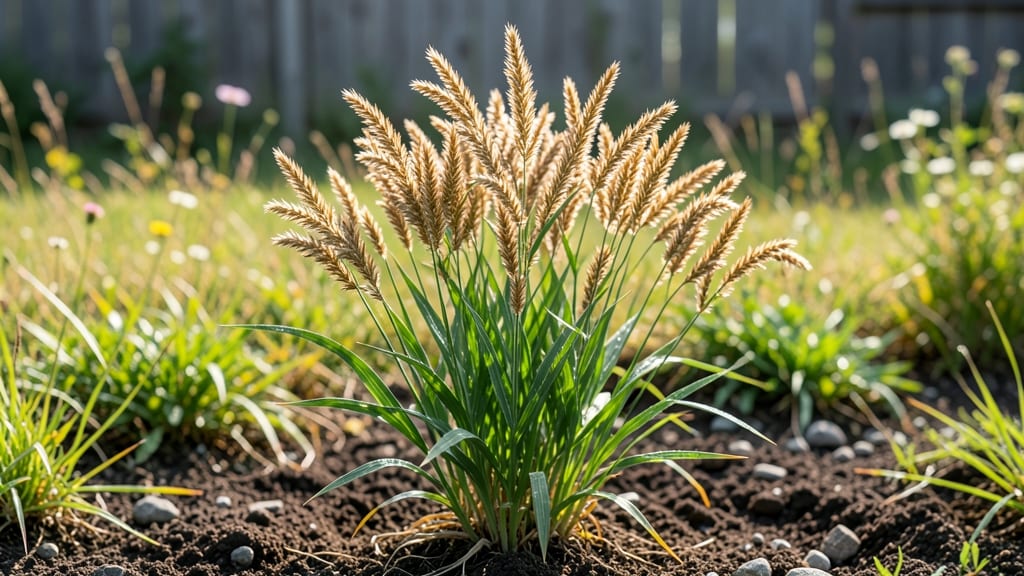
That feathery millet seed head is the star of late-summer gardens—plump, golden, and impossible to ignore—but getting it to grow reliably starts with a cold-moist trick most gardeners miss.
I’ve struggled with patchy millet germination until I discovered this simple pre-sowing hack: soak seeds in damp paper towels for 48 hours in the fridge, then plant. The results? 90%+ germination compared to the usual 50% or less.
Millet’s seed heads come in stunning varieties—foxtail millet’s bottlebrush-like plumes, pearl millet’s dense, round clusters, and proso millet’s delicate, drooping tufts. Each variety brings a different texture and height to the garden, thriving in full sun and poor soil.
The secret to their showy displays? Consistent moisture during germination and a well-drained growing medium once established. By late summer, you’ll be harvesting seed heads that last weeks in vases or dry beautifully for winter arrangements.
The cold-moist trick isn’t just for show—it also jumpstarts growth for next season’s grain harvest or birdseed. For ornamental millet, the payoff is bold, architectural drama that outshines most annuals. Works for both ornamental millet (like Japanese millet) and grain varieties (like sorghum).
The same method applies whether you’re planting in containers, raised beds, or open ground. Here’s how to make it work every time—no guesswork involved.
📚 In This Guide
- What you need
- Instructions
- Tips and common mistakes
- Wrapping up and next steps
What you need
- ● Millet seeds: 1–2 lbs (organic, non-GMO preferred for best results). Look for foxtail, pearl, or proso millet varieties.
- ○ Seedling trays or pots: 4–6" deep with drainage holes (6–12 trays, depending on scale). Optional: Biodegradable peat pots for transplanting.
- ● Potting mix: 5–10 lbs of well-draining, sterile mix (e.g., 60% peat moss, 30% perlite, 10% compost).
- ● Watering can or spray bottle: With a fine mist nozzle for gentle hydration.
- ● Plastic wrap or humidity dome: To maintain moisture during germination.
- ● Refrigerator or cold frame: Capable of 35–45°F (2–7°C) for the cold-moist phase.
- ● Grow lights or sunny windowsill: 6–8 hours of light daily post-germination.
- ● Fertilizer: Balanced organic fertilizer (10-10-10 or compost tea) for transplanting.
- ● Seed stratification kit (if pre-treating seeds for extra reliability).
- ● pH testing kit (ideal soil pH: 5.5–7.0 for millet).
- ● Label markers (to track varieties and planting dates).
- ● Glove (to protect hands from soil and seeds).
Step-by-Step instructions for harvesting and storing millet seed heads
Here’s how to preserve your millet seed heads for reliable germination next season using the cold-moist trick.
Harvest Seed Heads at Peak Maturity
Wait until the millet seed heads turn golden-brown and the seeds rattle when shaken—this signals full maturity. Harvest on a dry morning after the dew has evaporated to prevent mold. Use clean, sharp scissors to cut the entire seed head from the stalk, leaving a short stem for handling.
If you miss the perfect window, immature seeds won’t germinate well, and overripe ones may shatter or attract pests. Store harvested heads in a paper bag (not plastic) in a dry, well-ventilated spot for 2-3 days to dry further. This reduces moisture content and prevents mold during storage.
Thresh and Clean the Seeds
Once the seed heads are fully dry, place them in a clean bucket and gently rub them between your hands or use a threshing tool to separate the seeds. Avoid crushing the seeds—this damages the embryo and lowers germination rates. Sift the mixture through a fine mesh screen to remove chaff and debris.
Discard any seeds that appear shriveled, discolored, or damaged by insects. Store only the plump, uniform seeds for the cold-moist treatment. A small sample of saved seeds will ensure you have enough for next season’s planting.
Apply the Cold-Moist Trick for Germination
Place the cleaned seeds in a sealed container with a damp paper towel at the bottom—just enough moisture to keep the towel damp, not soggy. Seal the container and refrigerate it for 4-6 weeks at 35-40°F. This cold-moist stratification mimics natural winter conditions, breaking seed dormancy and improving germination rates.
Check the seeds weekly to ensure the paper towel remains moist but not dripping. If mold appears, discard the batch and start fresh. After stratification, remove the seeds and let them dry completely before storing in an airtight container in a cool, dark place.
Test Germination Before Planting
Before sowing, conduct a germination test by placing 10 seeds between damp paper towels in a sealed plastic bag. Keep them in a warm (70-75°F) location and check daily for sprouts. If 80% or more of the seeds germinate within 7-10 days, your stored seeds are viable and ready for planting.
If germination is poor, repeat the cold-moist treatment for another 2 weeks before testing again. Discard any seeds that fail to sprout after multiple attempts, as they may not be viable for next season’s garden.
Tips & tricks for perfect millet seed head preservation
These practical insights will help you maximize germination success using the cold-moist method.
Timing for Optimal Maturity: The 2-3 day drying period in Step 1 is crucial—this isn't just about waiting, it's about creating the right moisture balance. Place your paper bags in a spot with good airflow, like near an open window with a fan circulating air. Too much moisture lingers? Add a few silica gel packets to absorb excess. Too dry? A slightly humid environment (like a bathroom with the shower running) can help maintain proper moisture without risking mold.
Seed Selection Precision: When examining seeds in Step 2, look for uniformity in color and size—this indicates consistent viability. Discard any seeds with holes, cracks, or unusual shapes, even if they appear otherwise healthy. I've found that using a small magnifying glass helps spot subtle damage that might otherwise go unnoticed. For larger batches, divide seeds into color groups (light, medium, dark) and test each group separately—they may have different germination rates.
Cold-Moist Environment Control: The 4-6 week cold-moist treatment at 35-40°F requires precise conditions. If your refrigerator runs colder than 35°F, place the container on a shelf near the back where temperatures are most stable. For warmer refrigerators, consider a dedicated seed storage fridge or use a cooling pack to maintain the lower end of that range. The key is consistency—fluctuations can stress the seeds and reduce germination rates.
Germination Test Refinement: When conducting your 7-10 day germination test in Step 4, place your sealed bag in a location with indirect sunlight—direct light can cause uneven heat distribution. I recommend using a small incubator or even a seedling heat mat set to 70-75°F for more consistent results. If you notice condensation inside the bag, open it briefly to allow excess moisture to escape before resealing—this prevents anaerobic conditions that could harm developing sprouts.
Pro Tips for Millet Seed Head
- These practical insights will help you maximize germination success using the cold-moist method.
- Timing for Optimal Maturity: The 2-3 day drying period in Step 1 is crucial—this isn't just about waiting, it's about creating the right moisture balance.
- Seed Selection Precision: When examining seeds in Step 2, look for uniformity in color and size—this indicates consistent viability.
Frequently asked questions
Got questions about growing millet seed heads? You’re not alone! Here are some of the most common queries—plus quick, practical answers to help you master the process.
When is the best time to harvest millet seed heads for storage?
Harvest millet seed heads when they turn golden-brown and dry but before they shatter (usually 60–90 days after planting). Cut them in the morning when moisture is low, then dry them indoors for 1–2 weeks in a well-ventilated area. Store in paper bags or breathable containers to prevent mold.
Why does the cold-moist trick work for millet germination?
The cold-moist method mimics winter conditions, breaking seed dormancy. Chilling moist seeds (like in a fridge for 2–4 weeks) triggers enzymes that kickstart germination. This trick is especially useful for millet varieties prone to slow sprouting—just don’t skip the drying step before planting!
Can I reuse millet seed heads from last year’s harvest?
Yes, but with caution! Store seeds in a cool, dry place (below 50°F) for up to 2 years. Test viability by floating them in water—sinkers are viable, floaters are stale. For best results, use fresh seeds (0–1 year old) for higher germination rates.
What’s the fastest way to troubleshoot millet seeds that won’t sprout?
If seeds refuse to sprout, check these fixes:
- Soak them in warm water for 12 hours to soften hard coats.
- Test soil moisture—too dry or soggy can kill seeds.
- Try scarification (lightly sanding the seed coat) for stubborn varieties.
- Adjust temperature—millet thrives at 70–90°F; use a heat mat if needed.
Are there millet alternatives with similar seed heads for ornamental use?
Try switchgrass (panicle seed heads), foxtail millet (fluffy plumes), or barnyard grass (airy clusters). These drought-tolerant grasses offer textural contrast in gardens and require minimal care. Just note: some (like foxtail) can be invasive—plant in containers if needed!
Wrapping up and next steps
The millet seed head is a resilient, nutrient-packed gem that thrives with the right care—especially that cold-moist trick for foolproof germination! Whether you're a lawn enthusiast or a budding gardener, these tips ensure your seeds sprout strong and healthy. 🌱
Ready to harvest the rewards? Start by planting your prepped seeds this season and watch your lawn transform. Share your millet adventures with fellow gardeners—your success might just inspire someone else to grow!