
Size
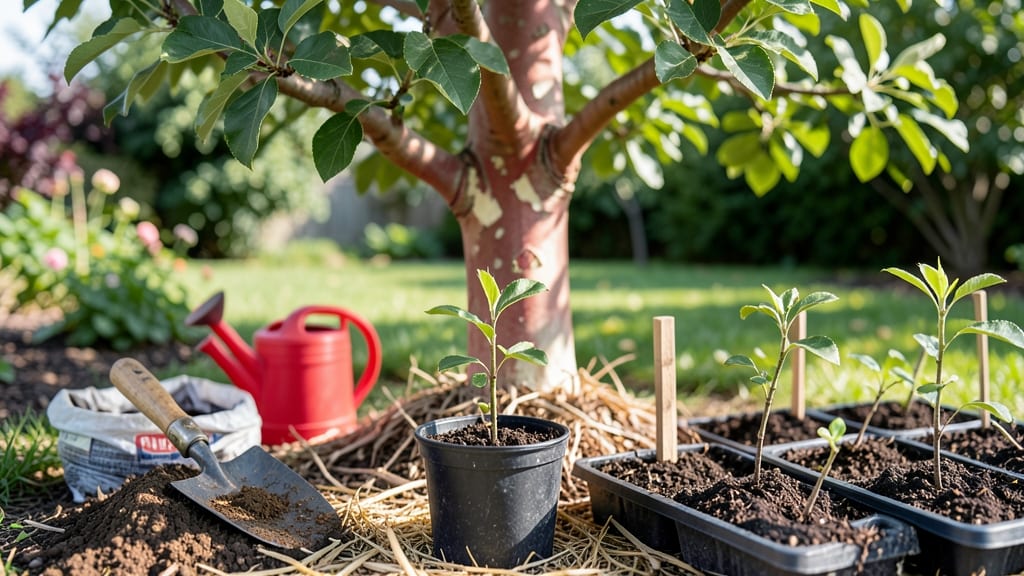
Growing a nectarine tree from a nectarine seed in your garden means you’re starting with a blank canvas—no nursery labels, just pure potential. 🌱 The trick is patience, because these seeds need time to break dormancy and sprout.
I’ve grown three from seed, and while they take longer than grafted trees, there’s something magical about watching a seedling you nurtured from scratch eventually bear fruit. First, you’ll need fresh, plump nectarine pits—never store-bought fruit, as those seeds are often treated to prevent germination.
After cleaning and drying the pits, they need a cold stratification period of 60-90 days in the fridge to mimic winter. This step is non-negotiable; without it, most seeds won’t sprout. Once stratified, plant them ½ inch deep in well-draining soil and keep them moist but not soggy.
Germination can take 4-12 weeks, and the first leaves will look more like a peach than a nectarine—don’t panic, it’s normal. Seedlings grow slowly at first, so be ready for a 3-5 year wait before you see fruit. The payoff?
Trees that thrive in your exact climate and may produce sweeter, more unique fruit than store-bought varieties. If you’re eager for faster results, consider grafting a nectarine scion onto your seedling once it’s 2-3 years old.
This combines the hardiness of your homegrown rootstock with the reliability of a named variety. Either way, the journey starts with that first tiny sprout pushing through the soil.
📚 In This Guide
- What you need
- Instructions
- Tips and common mistakes
- Wrapping up and next steps
What you need
- ● Nectarine seeds: 3–5 fresh, plump seeds (harvested from ripe, organic nectarines—avoid store-bought if treated with chemicals).
- ○ Small pots or seed trays: 3–4 (4–6 inches wide) with drainage holes. Optional: Biodegradable peat pots for easy transplanting.
- ● Seed-starting mix: 1–2 bags (lightweight, sterile potting soil with perlite or vermiculite for aeration).
- ● Spray bottle: For gentle watering (avoid over-saturating seeds).
- ● Plastic wrap or humidity dome: To create a mini greenhouse effect.
- ○ Heat mat (optional but helpful): Keeps soil at 70–85°F (21–29°C) to speed germination.
- ● Grow lights or sunny windowsill: 6–8 hours of bright, indirect light daily (south-facing window or LED grow lights work best).
- ● Fertilizer (after sprouting): Balanced, water-soluble fertilizer (e.g., 10-10-10) or organic options like fish emulsion.
- ● Patience: Nectarine seeds can take 2–4 weeks (or longer!) to germinate—stay consistent with care.
- ● Space planning: Nectarine trees need 20–30 feet of space at maturity. Choose a permanent spot early!
- ● Climate check: Nectarines thrive in USDA Zones 5–9. If you’re in a colder zone, start seeds indoors and transplant after frost.
- ● Pro tip 💡: Soak seeds in warm water for 24 hours before planting to soften the hard outer shell and boost germination.
How to grow nectarine trees from seed: a natural pod-splitting guide
Here's how to coax nectarine trees from seed without forcing the pods—just let nature do the work.
🌱 Step 1: Harvest and Prepare Ripe Nectarine Pods
Collect nectarine pits only from fully ripe, disease-free fruit. I look for deep red or yellow skin with no blemishes—those pits hold the best germination potential. Remove the flesh completely and let the pits air-dry for 3-5 days in a warm, shaded spot. This drying step prevents mold and mimics the natural drying process in the soil.
Once dry, place the pits in a paper bag with a few inches of moist sand or peat moss. Store them in the refrigerator for 6-8 weeks to simulate winter stratification. This cold treatment breaks seed dormancy—without it, germination rates drop dramatically. I check them weekly and add water if the sand feels dry to the touch.
💧 Step 2: Plant Stratified Seeds in Well-Draining Soil
Fill a small pot or seed tray with a mix of 50% potting soil and 50% perlite—this ensures excellent drainage, which nectarine seeds need to avoid rotting. Plant each pit 1 inch deep, spacing them 2 inches apart in the container. I use a pencil to make small holes, then gently press each seed into place without compacting the soil around it.
Water lightly until the soil feels evenly moist but not soggy. Place the container in a warm spot with indirect light—think 70-75°F and bright but not scorching sun. You'll see the first signs of germination in 4-8 weeks, when the seed coat begins to crack open naturally. Never force the pod—this is where patience pays off.
☀️ Step 3: Transplant Seedlings to Individual Pots
Once the seedling reaches 3-4 inches tall and develops its first true leaves, it's ready to move. I use 4-inch diameter pots filled with a mix of potting soil and compost. Gently remove the seedling from its original container, being careful not to disturb the delicate root system—nectarine roots are sensitive to damage.
Place the seedling in its new pot, firming the soil gently around the base. Water thoroughly until water runs out the drainage holes, then place the pot in a location with full sun (at least 6 hours daily). Young nectarine seedlings need consistent moisture, so I water whenever the top inch of soil feels dry. Watch for leggy growth—a sign the light isn't strong enough—and adjust the pot's position if needed.
🌿 Step 4: Harden Off and Prepare for Outdoor Planting
Three months after germination, when the seedlings are 12-18 inches tall and have developed a sturdy stem, it's time to harden them off. Start by placing the pots outside in a sheltered spot for 1-2 hours the first day. Gradually increase their outdoor time over 2 weeks, until they're spending full days outside.
Choose a permanent outdoor location with well-draining soil and full sun exposure. Dig a hole twice as wide as the root ball but only as deep as the pot. Remove the seedling carefully, place it in the hole, and backfill with soil, tamping gently to eliminate air pockets. Water deeply to help the roots establish. Real talk: nectarine trees grown from seed take 5-7 years to bear fruit, but the wait is worth it for that first homegrown harvest.
Tips & tricks for growing nectarine trees from seed
Here's the thing—growing nectarines from seed is all about patience and precision. These small adjustments make a world of difference in your germination success.
Pod Selection Matters: Don't just grab any pit! Choose only from fully ripe, disease-free fruit with vibrant color—those are your best bets for successful germination. I've learned the hard way that blemished or underripe fruit yields pits that either won't sprout or produce weak seedlings. The key is in that perfect ripeness—deep red or yellow skin with no soft spots.
Stratification Strategy: The 6-8 week cold treatment in the refrigerator is non-negotiable for breaking seed dormancy. I use a paper bag with moist sand because it mimics natural winter conditions perfectly. Keep it consistently moist (not soggy) by checking weekly—this prevents mold while maintaining the right humidity. Too dry? The seeds won't germinate. Too wet? You'll lose them to rot.
Germination Patience: Those 4-8 weeks until the seed coat cracks open can feel like forever, but rushing it ruins everything. The natural splitting process is delicate—never force the pod open. When you see that first crack, it means the seed is ready to push through on its own. This is where true natural growth begins, and forcing it only creates weak seedlings that won't survive transplanting.
Transplanting Technique: When moving your 3-4 inch seedlings to individual pots, handle them like delicate glass—nectarine roots are famously sensitive. Use the "root ball" method: slide your finger along the container edge to loosen the soil ball, then transfer it intact to its new home. This preserves the root structure and gives your seedlings the best chance at thriving in their new environment.
Pro Tips for Nectarine Seed Grow A Garden
- Here's the thing—growing nectarines from seed is all about patience and precision. These small adjustments make a wor...
- Pod Selection Matters: Don't just grab any pit! Choose only from fully ripe, disease-free fruit with vibrant color—th...
- Stratification Strategy: The 6-8 week cold treatment in the refrigerator is non-negotiable for breaking seed dormancy...
Frequently asked questions
Got questions about growing nectarines from seed? You’re not alone!
Here are some of the most common queries—and their practical solutions—to help you cultivate your own stress-free nectarine garden.
Can you grow a nectarine tree from a store-bought fruit?
Yes, but with a caveat! Store-bought nectarines are often hybrids, so the seed-grown tree may not produce fruit identical to the parent. For better results, use seeds from a heirloom or self-pollinating variety. Patience is key—it can take 3-5 years for the tree to bear fruit!
How long does it take for a nectarine seed to sprout?
Germination usually takes 2-4 weeks in warm, moist conditions (70-75°F). Place the seed in a paper towel or peat moss, keep it damp, and avoid direct sunlight until sprouts appear. If it takes longer, check for rot or dryness—adjust moisture levels as needed.
Should I plant the seed directly in soil or start indoors?
Start indoors for better control! Sow seeds in small pots with well-draining soil (mix potting soil with perlite) 4-6 weeks before the last frost. Once seedlings have 2-3 true leaves and the weather warms, transplant them outdoors. Harden them off gradually to avoid shock!
Why isn’t my nectarine seed germinating?
Common culprits include:
- Cold soil: Seeds need warmth (use a heat mat if needed).
- Overwatering: Keep soil moist but not soggy.
- Old seeds: Fresh seeds germinate better—try scarifying (lightly nicking the seed coat) if stored.
- Poor soil: Use a sterile, well-draining mix.
How big should my nectarine tree get? Can I grow it in a container?
Nectarine trees can grow 15-25 feet tall in the ground, but dwarf varieties (like ‘Fantasia’ or ‘Red Gold’) stay under 8-10 feet—perfect for containers! Use a 15+ gallon pot with drainage holes, and prune regularly to encourage bushier growth. Just know: container trees may need winter protection in cold climates.
Wrapping up and next steps
Growing nectarines from seed is a rewarding journey that turns your kitchen scraps into a thriving garden! 🌱 While it takes patience—especially with the stress-free pods that split open naturally—your effort will yield sweet, homegrown fruit in just a few years.
Start small, stay consistent, and don’t forget to celebrate every milestone, from sprouting to blossoming.
Ready to dive deeper? Next up: Explore pruning tips for optimal fruit production or share your progress with fellow gardeners in our community forum! 🌟