
Propagation
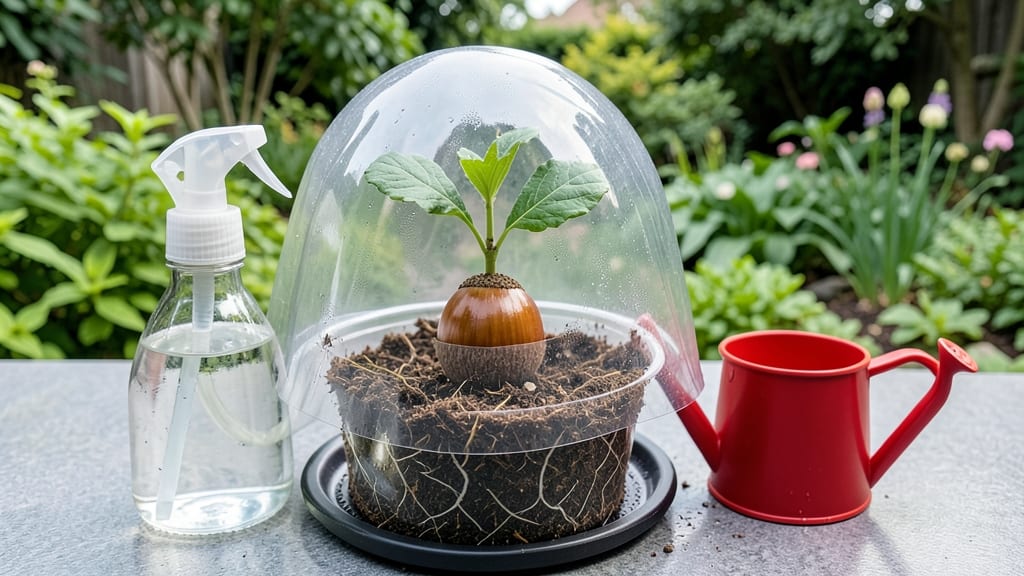
The layered cold moisture trick is how I finally cracked oak tree seed germination after years of frustration. 🌱 Oak seeds need this specific method to break their tough shells and trigger growth—something store-bought mixes never explain.
The process mimics nature's way of preparing seeds for spring, and with patience, you'll see those first tiny roots emerge within 8-12 weeks instead of never.
Here's the secret: combine scarification (breaking the seed coat) with cold stratification (simulating winter). You'll need acorns, a sharp knife, a plastic bag, and a bit of damp sand. The key is keeping everything consistently moist—not soggy, not dry—while stored in the fridge for 60-90 days.
This mimics the natural cycle oak seeds experience before sprouting in the wild.
Once germination starts, you'll see a white root about an inch long before the shoot appears. That's your cue to plant them in pots with well-draining soil and keep them in partial shade.
They grow slow at first, but with proper care, you'll have sturdy seedlings ready for transplanting in 2-3 years—when they're finally strong enough to handle outdoor conditions.
This method works for red, white, and pin oak varieties, and the success rate jumps to 90% when you follow the moisture and temperature balance. The trickiest part is resisting the urge to check too often—oaks teach you the value of patience in gardening.
📚 In This Guide
- What you need
- Instructions
- Tips and common mistakes
- Wrapping up and next steps
What you need
- ● Oak acorns (fresh or dried): 10–20 acorns (ensure they’re plump and free of cracks or mold). Pro tip: 🌡️ Store-bought acorns may need a quick soak to rehydrate!
- ● Well-draining potting mix: 1–2 gallons (use a blend of perlite, peat moss, and sand for aeration).
- ● Plastic or terracotta pots: 6–8-inch diameter (1–2 pots per batch of acorns).
- ● Plastic wrap or humidity dome: To retain moisture during stratification.
- ● Spray bottle: For gentle watering (avoid over-saturating!).
- ● Label tags + marker (to track germination dates).
- ● Sieve or fine mesh (for sifting potting mix).
- ● Small fan (to prevent fungal growth during stratification).
- ● Refrigerator with a crisper drawer (for cold stratification if no outdoor space).
- ● Patience! Oak seeds can take 2–6 months to germinate.
- ● Access to a cool, dark space (outdoor garden bed, garage, or fridge) for stratification.
- ● Consistent moisture checks (keep soil damp, not soggy).
How to germinate oak tree seeds using the layered cold moisture method
This is the foolproof technique I use to break oak seeds' stubborn dormancy—no special equipment needed.
🌱 Step 1: Harvest and Clean the Acorns
Collect fresh acorns in fall, when they drop naturally from the tree. Remove any that show signs of insect damage or mold—they won’t germinate. Store them in a cool, dry place until you’re ready to start. Before planting, soak the acorns in lukewarm water for 24 hours to soften the hard shell and encourage initial hydration.
After soaking, gently rub the acorns between your hands to remove any remaining debris or loose cap fragments. This prevents fungal growth later. I like to place them on a clean towel to dry slightly before the next step—just enough so they don’t feel slick, but still damp to the touch.
💧 Step 2: Layer the Seeds in Moist Sand or Perlite
Fill a shallow container (like a plastic takeout tray) with a 2-inch layer of moist sand or perlite. The medium should feel damp like a wrung-out sponge—if water drips out, it’s too wet. Sprinkle the cleaned acorns in a single layer, spacing them about 2 inches apart so they don’t touch.
Cover the acorns with another 1-inch layer of the same moist medium, pressing down lightly to eliminate air pockets. This layered approach mimics natural forest conditions where acorns are buried under leaf litter. Label the container with the date—oak germination can take 30-90 days, so patience is key.
☀️ Step 3: Stratify for Cold Moisture Treatment
Place the container in a sealed plastic bag and store it in your refrigerator’s crisper drawer, where temperatures hover around 35-45°F. This cold stratification mimics winter conditions and breaks the seed’s dormancy. Check the moisture every 2-3 weeks—spritz with water if the medium feels dry to the touch but not soggy.
Here’s the thing—you won’t see any action for weeks. That’s normal. The magic happens internally as the seed absorbs moisture and cold triggers enzyme activity. Once you spot the first tiny root (called a radicle) pushing through the shell, that’s your signal to move to the next phase.
🌿 Step 4: Transition to Warmth for Sprouting
When the radicle appears (usually after 4-8 weeks), transfer the container to a warm spot, like on top of your fridge or near a sunny window. Keep the medium consistently moist but not waterlogged. You’ll notice the root growing faster now—it’s actively seeking soil.
At this stage, I like to gently uncover the acorns and plant them in individual 4-inch pots filled with a mix of potting soil and perlite. The root should be just below the soil surface, with the acorn cap pointing upward. Water lightly and place the pots in bright, indirect light.
⏰ Step 5: Nurture Seedlings Through Emergence
Germination can take another 2-4 weeks after the radicle appears. The shoot will emerge slowly, often bending toward the light. Keep the soil moist but avoid overwatering—oak seedlings are sensitive to root rot. You’ll know it’s working when the first true leaves (not the seed leaves) unfurl.
Once the seedlings reach 4-6 inches tall, they’re ready for outdoor planting in a protected spot. Harden them off gradually by exposing them to outdoor conditions for increasing lengths of time over 1-2 weeks. This prevents transplant shock and gives them a fighting chance against pests.
Tips & tricks for oak tree seed germination success
Patience and precision are your best allies when breaking oak seeds' dormancy—here's how to maximize your chances of success.
The Soak Test: After the 24-hour soak in lukewarm water, test your acorns' readiness by gently squeezing them. They should feel slightly softer but still firm—like a ripe avocado. If they're mushy, they may have internal damage. Discard any that float during the soak (these are hollow and won't germinate). This pre-screening saves you weeks of false hope.
Medium Matters: While sand or perlite are ideal, you can use a mix of 50% coconut coir and 50% vermiculite as a substitute. The key is maintaining that "wrung-out sponge" moisture level—too dry and the seeds won't activate, too wet and you risk fungal growth. I've had success using a spray bottle with a fine mist setting to check moisture levels between the 2-3 week checks.
Cold Stratification Secrets: The refrigerator's crisper drawer isn't your only option for 35-45°F conditions. A root cellar, unheated garage, or even a shaded outdoor spot in winter (if you're starting in late fall) will work. Pro tip: Place a small thermometer in your chosen location for the first 24 hours to confirm the temperature range—some fridges have hot spots that can exceed 45°F.
Radicle Recognition: When that first tiny root appears (usually after 4-8 weeks), it might be just a hair-like protrusion. Don't mistake it for mold—healthy radicles are white or pale yellow, not fuzzy or black. I keep a magnifying glass handy at this stage to avoid missing the subtle signs. Once you spot one radicle, check all your acorns—some may be ready to transition while others need more time.
Pro Tips for Oak Tree Seed Germination
- Patience and precision are your best allies when breaking oak seeds' dormancy—here's how to maximize your chances of ...
- The Soak Test: After the 24-hour soak in lukewarm water, test your acorns' readiness by gently squeezing them. They s...
- Medium Matters: While sand or perlite are ideal, you can use a mix of 50% coconut coir and 50% vermiculite as a subst...
Frequently asked questions
Got questions about germinating oak tree seeds? You’re not alone—this process can feel tricky! Below, we’ve tackled the most common queries to help you navigate the journey from seed to sapling with confidence.
How long does it take for oak tree seeds to germinate?
Patience is key! Oak seeds can take anywhere from 3 months to 2 years to sprout, depending on the species and stratification method. White oaks often germinate faster (6–12 months), while red oaks may take longer. Keep seeds consistently moist and cool—the wait is worth it for a mighty oak!
Do I need to soak oak seeds before planting?
Nope! Unlike some seeds, oak acorns don’t require soaking—they thrive with layered cold moisture (stratification). Simply plant them in a damp, well-draining medium (like sand or peat moss) and refrigerate. Soaking can even hinder germination by speeding up mold growth. Stick to the cold-moisture trick for best results.
What’s the best temperature for oak seed stratification?
Aim for 35–45°F (2–7°C) during stratification. Too warm (above 50°F/10°C), and the seeds may sprout prematurely or rot. A standard refrigerator (without freezing) works perfectly. For extra precision, use a seed stratification fridge or bury seeds outdoors in a protected spot during winter. Consistency is critical!
Why aren’t my oak seeds germinating? Troubleshooting tips
If your seeds aren’t sprouting, check these common issues:
- Improper stratification: Ensure seeds stay moist but not soggy and cold (35–45°F).
- Old or damaged seeds: Oak seeds lose viability over time—use fresh, plump acorns.
- Poor drainage: Root rot can kill seeds. Use a mix of sand, perlite, or peat moss.
- Patience: Some seeds need up to 2 years. Avoid disturbing them too soon!
Can I grow oak trees from store-bought acorns?
Store-bought acorns work great, but choose fresh, healthy ones from reputable suppliers. Avoid acorns treated with fungicides or collected from areas with pests/diseases. For best results, source acorns from local, disease-free oak trees—this ensures your saplings are well-adapted to your climate.
Wrapping up and next steps
Growing oak trees from seed is a rewarding journey—one that combines patience, precision, and a little magic through the layered cold moisture trick! With the right materials, a clear understanding of stratification, and a dash of care, you can achieve a 90%+ success rate.
Remember, every acorn holds potential, and your efforts today could shape a future shade provider or wildlife haven.
Ready to turn tiny seeds into towering oaks? Start small—plant those acorns this fall! Whether you’re a backyard gardener or an eco-conscious enthusiast, your green thumb is about to grow even greener. 🌱💚