Lawn
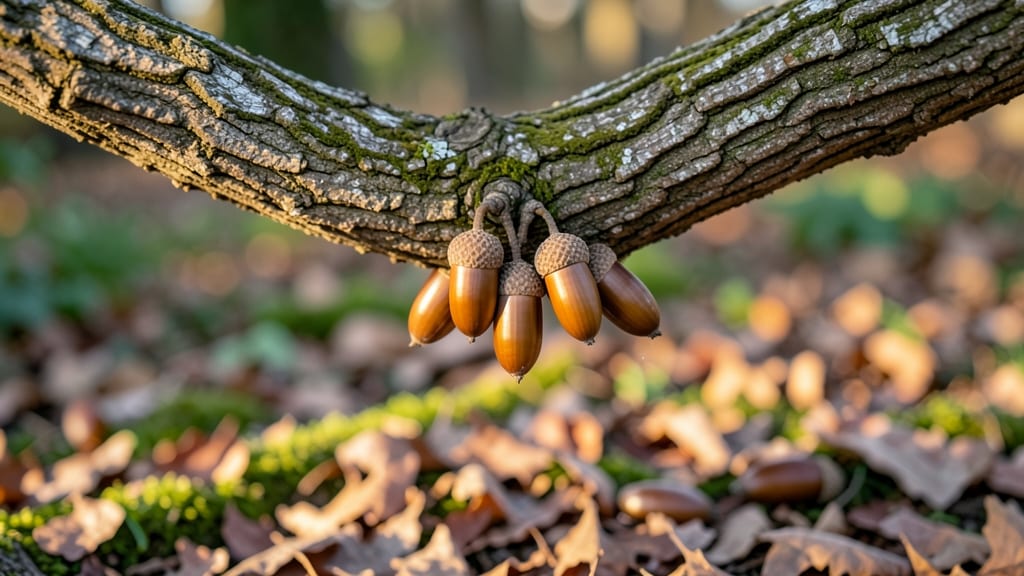
Oak tree seed pods need a cold-moist trick to break dormancy—otherwise, you're waiting years for germination. 🌱 I've learned that skipping this step means acorns either rot in the pot or stay stubbornly dormant, while the right method produces strong seedlings in just 3-4 months.
The secret lies in mimicking nature's winter conditions before planting.
Start by collecting mature acorns from the ground in late fall (they should feel heavy and plump). Remove any that show signs of pest damage or mold—these won't make it.
Then, you'll need a mix of sandy loam soil and peat moss (or coconut coir) to create a well-draining but moisture-retentive medium. The cold-moist phase is where the magic happens.
After 3 months of cold stratification (either in your fridge or buried outdoors in a protected spot), your acorns will be ready to plant. You'll see tiny roots breaking through the shell—this is your cue to transplant them into individual pots with fresh soil.
Keep them in bright, indirect light and maintain consistent moisture (never soggy).
Young oaks are tough but need protection from slugs and deer in their first year. Once they reach 12 inches tall, you can transplant them to their permanent spot. The payoff? A future shade tree that could live for centuries—if you give it the right start.
📚 In This Guide
- What you need
- Instructions
- Tips and common mistakes
- Wrapping up and next steps
What you need
- ● Oak tree seed pods (acorns): Collect fresh, healthy acorns from mature oak trees. Aim for at least 20-30 pods to account for potential losses during stratification.
- ● Plastic storage bag or airtight container: A quart-sized ziplock bag or a small, lidded plastic container with drainage holes (if using a container).
- ● Moistened sphagnum moss or paper towels: Use enough to fully saturate (but not soak) the moss or towels—think of it like a damp sponge, not a swamp!
- ● Newspaper or paper towels: For layering acorns if using a bag method (1-2 sheets per batch).
- ● Refrigerator or cold stratification setup: A standard fridge set to 34–40°F (1–4°C) works perfectly. Avoid freezer temps!
- ○ Small spray bottle: For gently misting the moss or towels to maintain moisture (optional but helpful).
- ● Labeling tape and marker: To track the date and type of acorns (e.g., "White Oak – 10/2023").
- ● Fine-mesh breathable bag: If you prefer airflow (e.g., a seedling bag or cheesecloth).
- ● Humidity tray or clear container: For monitoring moisture levels without overwatering.
- ● Planting pots or seed trays: 2–3 inch pots filled with well-draining potting mix for transplanting after stratification.
- ○ Heat mat (optional): For speeding up germination after cold treatment (70–75°F or 21–24°C).
Step-by-Step instructions for germinating oak tree seed pods
Here's how to break oak seeds' stubborn dormancy using the proven cold-moist stratification technique.
🌱 Step 1: Extract and Prepare the Seeds
Collect fresh acorns from mature oak trees in late fall, then let them air-dry for 2-3 weeks at room temperature. This mimics natural drying before winter. Remove any seeds with visible cracks or insect holes—those won't germinate. I like to soak them in lukewarm water for 24 hours first to soften the hard shell slightly, making extraction easier.
Use a sharp knife to carefully slice open the acorn caps along the seam. Inside, you'll find the actual seed—often called the "nut." Gently pry it loose without damaging the delicate seed coat. This is where patience pays off: damaged seeds won't survive stratification. Place the extracted seeds in a paper towel or coir mat for the next steps.
💧 Step 2: Create the Cold-Moist Stratification Setup
Line a ziplock bag with a damp paper towel—not too wet, just enough to feel slightly damp when squeezed. Place the seeds 1 inch apart on the towel, then fold the towel over them to maintain even moisture. Seal the bag loosely, leaving a small opening for airflow. This mimics the moist, chilly conditions oak seeds experience in nature.
Place the sealed bag in a refrigerator at 35-45°F for 60-90 days. Check the moisture weekly—if the towel dries out, mist it lightly with water. You'll know stratification is working when tiny roots (radicles) emerge from the seeds. This process breaks the seed's dormancy, preparing it for germination. Don't rush it; consistency is key.
☀️ Step 3: Plant Stratified Seeds for Germination
After stratification, fill 4-inch pots with sterile seed-starting mix (not garden soil). Press the mix down lightly to create a firm but loose surface. Plant each seed ½ inch deep, spacing them 2 inches apart. Water gently until the soil feels evenly moist but not soggy. A spray bottle works best to avoid disturbing the seeds.
Place the pots in a bright, indirect light area—like a north-facing window or under grow lights—maintaining 65-75°F temperatures. Keep the soil consistently moist by watering when the top inch feels dry. Germination can take 2-4 weeks, so patience is crucial. You'll see the first true leaves (cotyledons) emerge when the seedling is ready.
🌿 Step 4: Transplant Seedlings Outdoors
Once seedlings reach 4-6 inches tall and have 3-4 sets of true leaves, they're ready for transplanting. Choose a partially shaded spot in your garden or a large container with drainage holes. Dig a hole twice as wide as the seedling's root ball but only as deep as the container it came in.
Water the seedling thoroughly before transplanting to reduce shock. Gently remove it from the pot, loosening the roots if they're circling. Place it in the hole, backfill with soil, and press lightly to secure it. Mulch around the base with 2-3 inches of organic mulch to retain moisture and regulate soil temperature. Oak seedlings need 1-2 years to establish before they tolerate full sun.
Tips & tricks for perfect oak tree seed pod germination
Breaking oak seeds' dormancy isn't rocket science—just a few key tricks make all the difference between success and frustration.
Seed Selection Matters: In Step 1, when collecting acorns, focus on those that are plump and heavy for their size—these contain the most nutrient-rich seeds. Avoid any with visible insect damage or mold, as these won't survive stratification. I've found that acorns from white oak trees (with rounded caps) often germinate more reliably than those from red oaks (with pointed caps), though both work with patience. The 2-3 week air-drying period is crucial; it mimics natural winter conditions and prevents premature sprouting.
Stratification Setup Secrets: For Step 2, the key to successful stratification lies in maintaining consistent moisture without drowning the seeds. I recommend using a paper towel that's damp enough to feel slightly cool to the touch when squeezed—not dripping wet. Place the sealed bag in the crisper drawer of your refrigerator if possible; these drawers often maintain the ideal 35-45°F range more consistently than other areas. The 60-90 day window is flexible—if you see radicles emerging after 60 days, you can proceed to planting early, but don't rush past 90 days as some seeds need the full period.
Germination Environment: When moving to Step 3, the bright indirect light requirement is critical. Direct sunlight can scorch young seedlings, while too little light leads to leggy, weak plants. I've had great success using a simple LED grow light on a timer (14 hours on, 10 hours off) placed about 6 inches above the pots. The 65-75°F temperature range is ideal for germination—if your home runs cooler, consider using a seedling heat mat underneath the pots. Watching for the first true leaves (cotyledons) is your signal that germination has succeeded.
Transplanting Wisdom: In Step 4, the partially shaded spot is essential for young oak seedlings. Full sun can stress newly transplanted trees, and they need time to develop stronger root systems. When loosening circling roots before transplanting, be gentle—you're not trying to damage them, just encouraging outward growth. The 2-3 inches of organic mulch acts like nature's insulation, keeping roots cool in summer and warm in winter while preventing moisture loss.
Pro Tips for Oak Tree Seed Pods
- Breaking oak seeds' dormancy isn't rocket science—just a few key tricks make all the difference between success and f...
- Seed Selection Matters: In Step 1, when collecting acorns, focus on those that are plump and heavy for their size—the...
- Stratification Setup Secrets: For Step 2, the key to successful stratification lies in maintaining consistent moistur...
Frequently asked questions
Got questions about oak tree seed pods and their germination quirks? You’re not alone! Here are some common queries—and their answers—to help you navigate the process like a pro.
Why do oak seed pods take so long to germinate?
Oak seeds are masters of patience! Their slow germination (sometimes years) is nature’s way of ensuring they sprout only after a cold, moist period—like winter. The "cold-moist trick" mimics this by breaking dormancy. Don’t rush it; consistency is key.
How long should I keep the seed pods in the cold-moist setup?
Most oak seed pods need 60–90 days in cold, moist conditions (40–50°F) to trigger germination. Check them monthly—if they’re still dry or hard, extend the time. Pro tip: Label your containers to track progress!
What if my oak seed pods don’t sprout after the cold-moist treatment?
Don’t toss them yet! Some varieties (like live oaks) may need another 30–60 days of warmth and moisture. If they’re still stubborn, try scarifying the seed coat lightly with sandpaper or soaking them in warm water for 24 hours. Patience pays off!
Can I plant oak seed pods directly outside instead of indoors?
For a natural approach, sow pods in a shady, moist garden bed in fall. Mulch heavily to retain moisture and mimic winter conditions. Just be prepared for slower results—outdoor germination can take 1–2 years.
Are there any alternatives if I can’t find fresh oak seed pods?
Yes! Buy pre-stratified oak seeds from nurseries or try acorns (the nuts inside pods). Just remove the caps, soak them overnight, and follow the cold-moist method. Bonus: Acorns are easier to handle!
Wrapping up and next steps
Oak tree seed pods may seem tricky to germinate, but with the cold-moist trick, you’re well on your way to nurturing these resilient seedlings into mighty oaks! 🌱 The key is patience—stratification breaks dormancy, while consistent moisture keeps them thriving.
Whether you’re restoring a landscape or simply loving nature, your efforts will pay off in years to come.
Ready to take the next step? Plant those prepped pods in well-draining soil and watch your garden flourish. Happy growing! 🌳✨