Lawn
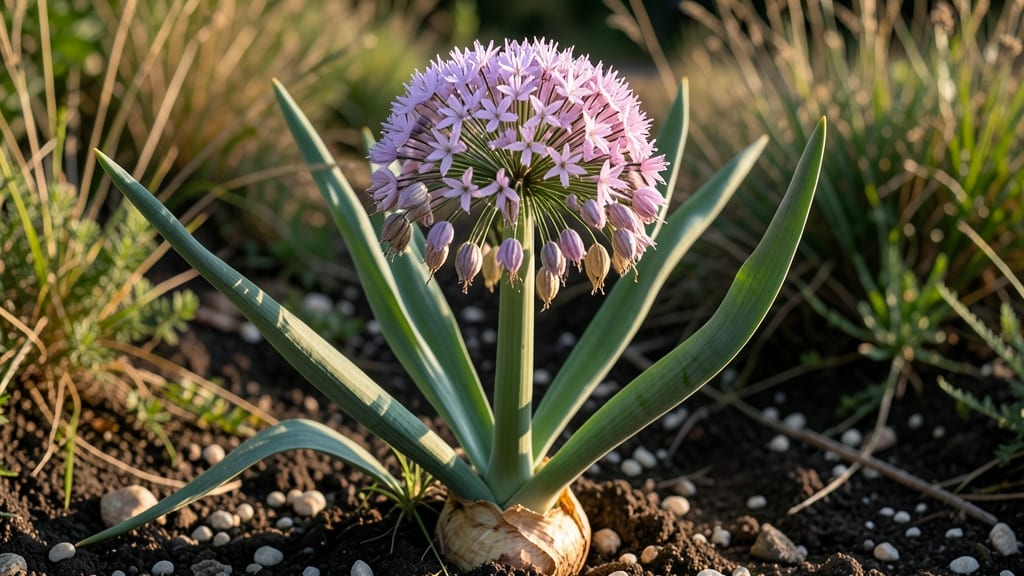
Twisting onion seed pods off the stalk is the fastest way to preserve viable seeds year-round—no special tools needed. 🌱 I learned the hard way that waiting too long turns them brittle, but harvesting at the right moment means seeds stay plump and ready for next season’s garden.
The key is watching for that telltale papery dryness while the pods still cling easily. You’ll need just three things: sharp scissors, a paper bag, and a dry spot indoors. Cut the pods when they’re fully brown but before they shatter—usually 2-3 weeks after flowering.
Store them in the bag until spring, shaking occasionally to prevent mold. These seeds keep for 3-4 years, making them a gardener’s secret stash. What you’ll end up with is a self-sufficient onion supply: no more buying sets, no more guessing varieties.
The seeds produce plants that mature 10-14 days slower than sets but develop stronger bulbs over time. Perfect for heirloom lovers or anyone tired of store-bought uniformity. Works for all onion types—green, yellow, red—just adjust spacing (6-12 inches apart) based on bulb size.
Here’s how to do it right the first time.
📚 In This Guide
- What you need
- Instructions
- Tips and common mistakes
- Wrapping up and next steps
What you need
- ● Onion plants: Choose Allium cepa varieties (e.g., Texas Early White or Yellow Granex) known for seed production. Quantity: 5–10 mature plants (or more for larger harvests).
- ○ Pruning shears or sharp scissors: For clean cuts without damaging stems. Optional: A sterilized knife for precision trimming.
- ● Paper bags or breathable mesh sacks: Quantity: 1–2 per plant (or reusable seed-saving envelopes). Size: 8"x10" or larger to accommodate pods.
- ● Twine or rubber bands: To secure bag openings and prevent seed loss.
- ● Labeling tags & permanent marker: Track varieties, harvest dates, and maturity stages.
- ● Drying rack or screen: Elevate pods for airflow (e.g., a wooden frame with chicken wire). Alternative: A well-ventilated indoor space.
- ● Fine-mesh sieve or colander: For separating seeds from debris post-drying.
- ● Storage containers: Airtight jars or resealable bags with silica gel packets to maintain dryness.
- ● Warm, dry climate: Ideal for pod maturation (60–80°F). Note: Cool nights may slow drying.
- ● Low-humidity area: Prevents mold. Use a dehumidifier if indoors.
- ● Sunlight access: Indirect light for drying (avoid direct sun to prevent overheating).
- ● 💡 Harvest timing: Collect pods when they turn tan/brown and papery—before they split open!
- ● 🔥 Avoid moisture: Never store pods in damp conditions; excess humidity = spoiled seeds.
- ● 🎯 Test viability: Plant a few seeds after 6 months to check germination rates.
How to harvest onion seed pods without twisting or breaking
Here's the gentle method I use to collect seeds from onion plants—no tangled necks, no wasted pods, and seeds that stay viable for years.
🌱 Step 1: Identify and Prepare Mature Seed Stalks
Wait until onion plants develop dry, papery seed pods that have turned from green to tan. These pods should feel crispy when gently squeezed—if they're still plump or green, they're not ready. I usually harvest in late summer or early fall, depending on your climate.
Cut the entire seed stalk (the tall, leafless stem) at the base with clean scissors or pruners. Leave the bulb in the ground to continue feeding the plant. Bundle 4-5 stalks together and hang them upside down in a dry, well-ventilated spot like a garage or shed. This mimics natural drying conditions and prevents mold.
☀️ Step 2: Dry and Store Seed Stalks Properly
Let the stalks dry completely for 2-3 weeks—they're ready when the pods rattle when shaken and the stems snap easily. I check daily by gently shaking a pod over a sheet of paper; if seeds scatter freely, they're fully dry. If humidity is high, prop stalks near a fan to speed drying.
Once dry, remove individual pods by twisting them gently at the base. Discard any that crumble or feel damp inside. Store pods in a paper envelope (not plastic) in a cool, dark place. Label with the variety and harvest date—seeds remain viable for 2-3 years if stored properly.
✂️ Step 3: Clean and Separate Seeds
Empty dried pods onto a clean sheet of paper and separate seeds by hand. Discard empty shells or damaged seeds—only plump, dark seeds are worth saving. I use a fine mesh strainer to catch tiny seeds that might blow away during handling. For large batches, rub pods between your palms over the strainer for faster cleaning.
Test seed viability by placing a few in a glass of water. Good seeds sink; floaters are empty or damaged. Aim to save 100+ seeds per variety to ensure a reliable harvest next season. Store cleaned seeds in a sealed envelope with a silica gel packet to absorb excess moisture.
🌿 Step 4: Plant Viable Seeds for Next Year's Crop
Sow saved seeds indoors 8-10 weeks before your last frost date in seed-starting mix. Press seeds ¼ inch deep and keep soil consistently moist at 65-75°F for germination. Seedlings may take 10-14 days to emerge—patience is key here.
Transplant seedlings outdoors after frost danger has passed, spacing them 12-18 inches apart in full sun. Mulch with straw to retain moisture and prevent weeds. By next summer, you'll have a fresh crop of onions—and a new batch of seed pods to harvest.
Tips & tricks for perfect onion seed pod harvesting
Common pitfalls—and how to sidestep every one—when collecting onion seeds without wasting a single pod.
Timing Secret: Harvest your seed pods when they're fully tan and crispy, but don't wait until they start splitting open. I learned this the hard way after losing seeds to birds and wind—always check pods daily once they turn tan. The 2-3 week drying period is non-negotiable; rushing this step leads to moldy seeds that won't germinate. If humidity is high, place stalks near a fan to maintain airflow.
Storage Wisdom: Paper envelopes are your best friend for long-term seed viability. Unlike plastic, they allow moisture to escape while keeping seeds dry. I store mine in a cool, dark pantry where temperatures stay around 65-75°F. Add a silica gel packet to absorb any lingering moisture—this simple step extends seed life from 2-3 years to potentially 5 years for some varieties. Label each envelope with the variety and harvest date to avoid confusion later.
Breakthrough Moment: For stubborn pods that resist twisting, try this trick: gently tap the pod against your palm to loosen the seeds inside, then twist. This prevents the "neck-twisting" struggle many gardeners face. When cleaning seeds, use a fine mesh strainer to catch tiny seeds that might otherwise disappear. For large batches, rub pods between your palms over the strainer—this is faster than hand-picking and catches every last seed.
Viability Test: The water test is your quality control step. Good seeds sink immediately, while empty ones float. I always test a small batch before storing the rest—this saves you from planting duds next season. If more than 20% of your seeds float, consider saving them for compost instead. For maximum germination, aim to save at least 100 seeds per variety—this ensures you'll have enough for a reliable crop.
Pro Tips for Onion Seed Pods
- Common pitfalls—and how to sidestep every one—when collecting onion seeds without wasting a single pod.
- Timing Secret: Harvest your seed pods when they're fully tan and crispy, but don't wait until they start splitting op...
- Storage Wisdom: Paper envelopes are your best friend for long-term seed viability. Unlike plastic, they allow moistur...
Frequently asked questions
Got questions about harvesting onion seed pods? You’re not alone! Here are some of the most common queries—and their straightforward answers—to help you master the process like a pro.
How do I know when onion seed pods are ready to harvest?
Onion seed pods are ready when they turn from green to a tan or brown color and begin to split open along one side. If you wait too long, the seeds inside may scatter or lose viability. Aim to harvest them when about 50-70% of the pods have split—this ensures you catch the bulk of the seeds before they’re gone!
Can I harvest onion seeds if it rains?
Rain can actually help the pods split open, but it’s best to harvest on a dry day to avoid soggy seeds or mold. If rain is forecasted, collect pods as soon as they start splitting. Store them in a paper bag (not plastic) in a cool, dry place to dry out fully before processing.
What if my onion seed pods don’t split open?
If pods stay closed, they may need more time or better conditions. Try gentle hand-twisting (as described in the article) or place them in a paper bag for a few days to encourage natural splitting. If they’re still stubborn, the onions might not have been pollinated properly—consider hand-pollinating next season with a soft brush.
How long do harvested onion seeds stay viable?
Onion seeds typically stay viable for 2-3 years if stored properly in a cool (35-40°F), dry place with low humidity. Label your seed packets with the harvest date to track freshness. For the best germination rates, use seeds within the first year.
Are there alternatives if my onions don’t produce seed pods?
If your onions bolt (send up flower stalks) but don’t produce pods, try long-day onion varieties (like ‘Yellow Sweet Spanish’) for your climate. Alternatively, grow shallots or garlic, which multiply vegetatively and don’t require seed pods. For true onion seeds, ensure your plants get full sun (6+ hours/day) and consistent moisture during flowering.
Wrapping up and next steps
Harvesting onion seed pods doesn’t have to be a tricky task—with the right techniques, you can enjoy viable, year-round seeds effortlessly! 🌱 Whether you’re saving seeds for next season or experimenting with heirloom varieties, twist-free pods mean healthier plants and better yields.
Now that you’re equipped with the materials and answers to common questions, it’s time to put your knowledge into action.
Ready to grow your own onion seeds? Start small—try a few pods this season and refine your approach. Soon, you’ll be a pro at harvesting high-quality seeds with minimal fuss. Happy gardening! 🌿