Lawn
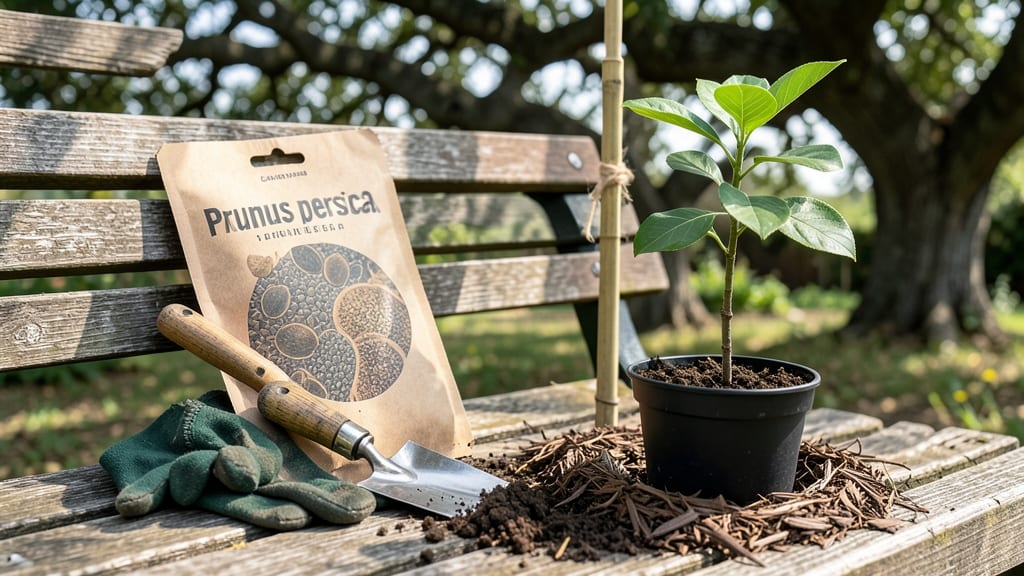
Planting peach tree seeds with the cold-moist trick cuts germination time from months to weeks. 🌱 After years of struggling with slow-sprouting seeds, I discovered this simple technique that mimics nature's way of breaking dormancy—no fancy equipment needed, just patience and a little science.
The secret lies in replicating winter's chilling effect before spring warmth. You'll need a plastic bag, damp paper towels, and a cool spot (like your fridge) to stratify seeds for 4-6 weeks before planting. Most gardeners skip this step and wait forever for sprouts—don't be one of them.
Once sprouted, you'll transplant delicate seedlings into well-draining soil and watch them establish roots within 2-3 months. The first true leaves appear like magic, and suddenly you're growing a tree that could bear fruit in 5-7 years—though expect smaller, less predictable fruit than grafted varieties.
This method works best in zones 5-9 when planted in early spring, but the cold-moist trick itself can be done anytime. The real reward? Knowing you grew a tree from a seed, with roots deeper than any nursery-bought sapling could offer.
📚 In This Guide
- What you need
- Instructions
- Tips and common mistakes
- Wrapping up and next steps
What you need
- ● Peach pits (seeds): 3–5 fresh, plump pits from ripe peaches (avoid canned or dried fruit).
- ● Paper towels or coffee filters: 2–3 sheets (for the cold-moist stratification process).
- ● Plastic bag or airtight container: 1 (to hold the pits and towels).
- ● Refrigerator: A standard fridge (35–40°F / 2–4°C) for stratification.
- ● Small pots or seed trays: 3–5 (4–6 inches deep, with drainage holes).
- ● Potting soil: 1–2 bags of well-draining, seed-starting mix (or a blend of 50% peat moss + 50% perlite/sand).
- ● Spray bottle: 1 (for gentle watering).
- ○ Heat mat (optional but helpful): 1 (to speed up germination once stratification is complete).
- ● Grow lights: 1–2 (to provide 12–14 hours of light daily after germination).
- ● Fertilizer: A balanced, water-soluble fertilizer (e.g., 10-10-10) for young seedlings.
- ● Humidity dome or plastic wrap: To retain moisture during early growth.
- ● Label markers: To track planting dates and varieties.
- ● Garden gloves: To protect hands while handling soil and seeds.
Step-by-step instructions for growing peach trees from seed
Here's the cold-moist method I swear by—it cuts germination time from months to weeks.
🌱 Step 1: Harvest and Prepare the Seeds
Collect peach pits from fully ripe fruit, then clean them thoroughly by scrubbing off any remaining flesh with warm water and a soft brush. Let them dry completely for 3-5 days in a well-ventilated area. You'll know they're ready when the outer shell feels hard and dry to the touch.
I like to soak the pits in lukewarm water for 24 hours before stratification. This softens the hard outer shell slightly and helps kickstart the germination process. Don't skip this step—it dramatically improves your success rate.
💧 Step 2: Stratify Seeds for Cold-Moist Treatment
Fill a small container with a mix of moistened peat moss or coconut coir (keep it damp but not soggy). Bury the peach pits 2 inches deep in the mix, spacing them about 3 inches apart. Place the container in a plastic bag and seal it tightly to maintain humidity.
Store the container in your refrigerator for 8-12 weeks, checking the moisture level every 2-3 weeks. The mix should feel like a wrung-out sponge—damp but not dripping. This cold-moist stratification mimics winter conditions and breaks the seed's dormancy, which is crucial for peach seeds.
☀️ Step 3: Plant Stratified Seeds in Containers
After stratification, remove the pits and plant each one 1 inch deep in individual 4-inch pots filled with a well-draining potting mix. I use a blend of 50% potting soil and 50% perlite to prevent root rot. Water gently until the soil is moist but not waterlogged.
Place the pots in a warm, sunny spot with temperatures between 65-75°F. You should see sprouts emerging within 2-4 weeks. If germination takes longer, don't worry—peach seeds can be slow, but patience pays off here. Keep the soil consistently moist during this phase.
🌿 Step 4: Transplant Seedlings to Larger Pots
Once seedlings reach 6-8 inches tall and develop 3-4 sets of true leaves, it's time to transplant them into larger 1-gallon pots. Choose pots with drainage holes and fill them with a mix of 60% potting soil, 20% compost, and 20% perlite for optimal drainage and nutrients.
Handle the seedlings carefully to avoid damaging the roots. Water them thoroughly after transplanting and place them in a location with full sun exposure. Young peach trees need plenty of light to grow strong and healthy. Monitor the soil moisture closely—overwatering is a common mistake that can lead to root rot.
⏰ Step 5: Acclimate and Prepare for Outdoor Planting
About 4-6 weeks before your last frost date, start hardening off the seedlings by gradually exposing them to outdoor conditions. Begin with 1-2 hours of outdoor time daily in a sheltered, shaded area, then slowly increase the duration over 2 weeks. This process helps the seedlings adjust to temperature fluctuations and wind.
Once the seedlings are fully hardened off, you can plant them outdoors in a location with full sun and well-draining soil. Choose a spot with plenty of space—peach trees need 20-25 feet of clearance to grow properly. Keep the soil consistently moist for the first 2 months after transplanting to help the roots establish.
Tips & tricks for faster peach tree germination
Real talk: The cold-moist method cuts months off germination time—but these small tweaks make all the difference between success and frustration.
Seed Preparation Secret: When cleaning peach pits in Step 1, don't rush the drying process. I've learned the hard way that pits dried in 24 hours often have lingering moisture that prevents proper stratification. The 3-5 days of drying ensures the outer shell becomes completely impermeable, which is critical for the cold-moist treatment to work. You'll know they're ready when the shell feels as hard as a river rock—no give at all.
Stratification Temperature Matters: While the instructions specify refrigerator storage, I've found that the back of the fridge (where temps hover around 35-40°F) works even better than the main compartment for breaking dormancy. This cooler temperature more closely mimics natural winter conditions. The 8-12 week range is perfect, but if you're impatient, you can check for germination after 6 weeks—just be prepared to extend the process if nothing happens.
Moisture Monitoring: The 2-3 week moisture checks in Step 2 are non-negotiable. I use a spray bottle to mist the peat moss/coco coir mix until it feels like a wrung-out sponge—never soggy. Too much moisture causes anaerobic conditions that can kill seeds, while too little prevents proper hydration. A small plastic container with drainage holes works perfectly for this stage, allowing excess water to escape while maintaining humidity.
Transplanting Timing: In Step 4, don't be fooled by the 6-8 inch height requirement—focus on the 3-4 sets of true leaves. The leaves should be vibrant green and fully unfurled, not the small, yellowish seed leaves. This is when the seedling has developed enough energy reserves to handle transplant shock. I've seen seedlings reach 6 inches with only 2 sets of true leaves and still struggle after transplanting.
Pro Tips for Peach Tree Seed Planting
- Real talk: The cold-moist method cuts months off germination time—but these small tweaks make all the difference between success and frustration.
- Seed Preparation Secret: When cleaning peach pits in Step 1, don't rush the drying process.
- This cooler temperature more closely mimics natural winter conditions.
Frequently asked questions
Got questions about growing peach trees from seed?
You’re not alone! Here are answers to the most common queries—so you can skip the guesswork and get straight to planting.
How long does it take for peach seeds to germinate?
With the cold-moist stratification trick, germination typically takes 4–12 weeks. Patience is key—some seeds may sprout faster, while others need extra time. Keep the soil consistently moist (but not soggy) and warm (around 70°F) to speed things up. If nothing sprouts after 3 months, the seed may not be viable.
Can I plant peach seeds directly in the ground?
Direct outdoor planting isn’t recommended for fresh peach seeds—they need stratification first. Instead, start them indoors in pots with well-draining soil, then transplant seedlings outdoors after the last frost (when soil is at least 60°F). Young trees are delicate, so wait until they’re sturdy before exposing them to elements.
Will a peach tree grown from seed taste like the parent fruit?
Probably not! Seed-grown trees often produce wild, unpredictable fruit—smaller, tart, and less sweet than store-bought varieties. For consistent flavor, grafted trees (from nurseries) are the way to go. But hey, growing from seed is still fun for experimentation—or sharing with fellow gardeners!
Why are my peach seeds rotting or molding?
Overwatering or poor drainage is usually the culprit. Use a 50/50 mix of peat moss and perlite to prevent soggy soil. If mold appears, remove affected seeds and repot the healthy ones in fresh, dry medium. Pro tip: Poke drainage holes in pots and avoid saucers that trap excess water.
What’s the best time of year to plant peach seeds?
Start stratification indoors in late fall or winter (October–February) so seeds are ready to sprout by spring. Transplant seedlings outdoors in early spring (after frost risk passes) or late summer (for a second chance). Peach trees thrive in warm climates, so avoid planting when nights are still chilly.
Wrapping up and next steps
Growing a peach tree from seed is a rewarding journey that combines patience with the joy of nurturing life!
By mastering the cold-moist stratification trick, you’ve unlocked the secret to faster germination—giving your little seeds the best shot at becoming a thriving tree. 🌱 Whether you’re a seasoned gardener or just starting out, every step you take brings you closer to that sweet, sun-kissed peach harvest.
Now that you’re armed with the right techniques, take the next step: grab those seeds, prep your growing space, and watch your peach tree dreams take root—literally! Share your progress with fellow gardeners or tag us in your photos for a little extra motivation. Happy planting! 🌟