Lawn
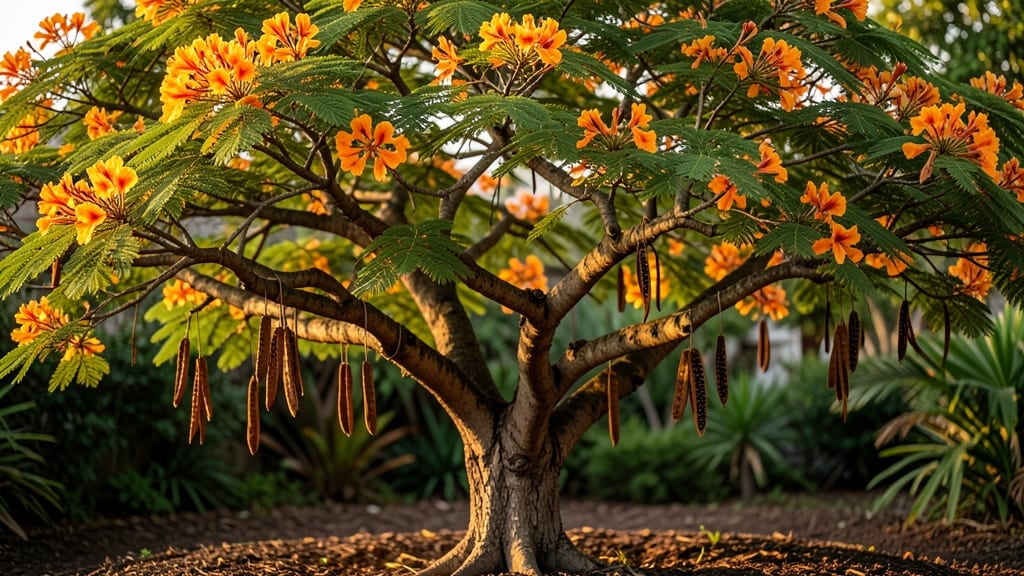
Those fiery poinciana tree seed pods are nature’s way of saying "plant me now"—but only if you know the trick. 🌿 The secret to viable seeds isn’t waiting for them to split on their own; it’s about timing the harvest, handling them right, and breaking dormancy the easy way.
I’ve turned dozens of these pods into thriving seedlings by following a simple routine that works year-round, even in humid climates where germination can be tricky.
First, you’ll need just three things: a pair of gloves (those pods are sticky), a bucket of water, and a warm, sunny spot. The pods release seeds when they’re dry but still slightly pliable—usually in late summer or early fall.
Once you’ve cracked them open, soak the seeds for 24 hours to soften the tough outer shell. This step cuts germination time from months to weeks, and it’s the difference between success and disappointment.
By the time you’re ready to plant, you’ll see tiny roots peeking out of the seeds—proof they’re ready to grow. Use well-draining soil, plant them 1/4-inch deep, and keep the soil moist but not soggy.
In the right conditions, you’ll have seedlings popping up in 2-4 weeks, and those first leaves are a bright green that’ll make you grin every time you walk by.
This method works for both Delonix regia (flamboyant tree) and Caesalpinia pulcherrima (peacock flower), and it’s perfect for gardeners who want to skip the nursery and grow their own tropical beauty. The key is patience—those pods might take a little coaxing, but the payoff is worth it.
📚 In This Guide
- What you need
- Instructions
- Tips and common mistakes
- Wrapping up and next steps
What you need
- ● Poinciana tree seed pods: 10–20 mature pods (brown, dry, and slightly papery—avoid green or soft ones!)
- ● Heavy-duty gloves: 1 pair (nitrile or leather to protect from thorns and sap)
- ● Pruning shears or loppers: 1 pair (for safely cutting pods from tall branches)
- ● Bucket or large container: 1 (with a lid or mesh bag to store pods)
- ● Paper towels or newspaper: 1–2 sheets (for drying and separating seeds)
- ● Small paintbrush or soft cloth: 1 (for gently cleaning seeds)
- ● Plastic zip-top bags: 2–3 (for seed storage)
- ● Ladder or extension pole: 1 (for hard-to-reach pods)
- ● Seedling trays or pots: 4–6 (3–4" deep, for initial planting)
- ● Potting soil: 1 bag (well-draining mix with perlite or sand)
- ● Misting spray bottle: 1 (to keep seeds moist during germination)
- ● Label markers & tags: 1 set (to track planting dates)
- ● Safety goggles: 1 pair (if working near dusty or thorny areas)
Step-by-Step instructions for harvesting poinciana tree seed pods
Here's how to collect and prepare these striking pods for planting—no special tools required.
🌿 Step 1: Identify and Harvest Ripe Seed Pods
Wait until the pods turn a rich brown and begin splitting open naturally—this signals full ripeness. I like to harvest on dry, sunny mornings when the pods are firm but starting to crack. Use clean pruning shears or gloves to avoid skin irritation from the pod fibers.
Gently twist each pod at its stem to detach it cleanly. If a pod resists, it's not ready—leave it for another week. Collect 4-6 pods per plant (enough for multiple planting attempts). Store them in a paper bag in a shady, dry spot until you're ready to process them.
🪴 Step 2: Extract and Clean the Seeds
Spread the harvested pods on a clean work surface or tray lined with newspaper. Use a small hammer or mallet to gently tap each pod until it splits open. Avoid crushing the seeds—just enough pressure to release them. You'll find flat, dark brown seeds inside each pod.
Remove any remaining pod fragments or debris by hand. For stubborn fibers, I run the seeds through a fine mesh strainer under running water. Let them dry completely on a paper towel for 24 hours before storing. This prevents mold and ensures better germination.
☀️ Step 3: Stratify Seeds for Improved Germination
Poinciana seeds need stratification to break dormancy. Mix the cleaned seeds with a moistened paper towel in a ziplock bag, then place the bag in the refrigerator for 4-6 weeks. Check weekly to ensure the towel stays damp but not soggy.
After stratification, plant the seeds in well-draining potting mix at a depth of ½ inch. Keep the soil consistently moist (not wet) and place the container in a warm, sunny spot (at least 65°F). Germination can take 4-8 weeks, so patience is key.
⏰ Step 4: Transplant Seedlings to Permanent Locations
Once seedlings develop 2-3 sets of true leaves, they're ready for transplanting. Choose a sunny, sheltered spot with well-draining soil—Poincianas hate soggy roots. Dig a hole twice as wide as the root ball but no deeper.
Water the seedlings 24 hours before moving to reduce shock. After planting, give them a deep watering and apply a 2-inch layer of mulch to retain moisture. Young trees benefit from staking until established, as their leggy growth can get top-heavy.
🌱 Step 5: Overwinter Seedlings for Year-Round Success
If planting in cooler climates, protect young trees with burlap wraps or frost cloth during the first winter. Mature Poincianas are cold-hardy, but seedlings need extra care. In USDA Zones 9-11, they thrive year-round with minimal protection.
Here's the thing—Poincianas grow fast once established. Prune lightly in late winter to shape the tree, but avoid heavy cuts until it's 3-4 years old. With proper care, your seedlings will reward you with vibrant blooms in just 2-3 years.
Tips & tricks for perfect poinciana tree seed pod harvesting
Here's what nobody tells you about working with these beautiful but tricky pods—lessons I learned after a few failed attempts.
Timing is Everything: Harvest pods when they're rich brown and slightly cracked but still firm to the touch. If they're too dry and brittle, the seeds may have already sprouted or dried out completely. I've learned to check pods every 3-4 days during the harvest season—this ensures you catch them at peak readiness. The dry, sunny mornings mentioned in Step 1 are ideal because the pods are least likely to be damp, which prevents mold during storage.
Gentle Extraction: When tapping the pods with a hammer or mallet in Step 2, think of it like cracking a walnut—not too hard, just enough to release the seeds. I use a wooden mallet because it's gentle on both the pods and my hands. After tapping, I spread the pods on newspaper to catch any seeds that might fall out naturally. This method prevents crushing the delicate seeds while still releasing them cleanly.
Stratification Shortcuts: The 4-6 week refrigerator stratification in Step 3 can feel like a long wait, but there are ways to speed things up slightly if you're impatient. Place the sealed bag in your coldest refrigerator drawer (usually the bottom) for more consistent temperatures. Also, if you're in a hurry, you can try a hot water soak for 24 hours before stratification—this mimics natural weathering and can help break dormancy faster. Just remember, the longer you stratify, the better the germination rates will be.
Transplanting Wisdom: In Step 4, when transplanting seedlings, I recommend digging the hole one day before moving the plant and letting it sit open to air out. This prevents compacting the soil around the roots when you plant. Also, if you're in a windy area, consider using soft plant ties instead of wire stakes—they're gentler on the bark as the tree grows. The 2-inch mulch layer is crucial, but make sure it doesn't touch the trunk directly to prevent rot.
Pro Tips for Poinciana Tree Seed Pods
- Here's what nobody tells you about working with these beautiful but tricky pods—lessons I learned after a few failed attempts.
- Timing is Everything: Harvest pods when they're rich brown and slightly cracked but still firm to the touch.
- Gentle Extraction: When tapping the pods with a hammer or mallet in Step 2, think of it like cracking a walnut—not too hard, just enough to release the seeds.
Frequently asked questions
Got questions about harvesting and using poinciana tree seed pods?
Here are some of the most common queries—plus quick, practical answers to keep your gardening game strong!
When is the best time to collect poinciana seed pods?
The ideal time to harvest seed pods is when they turn brown and papery (usually late fall to early winter). Avoid collecting green pods—they won’t contain viable seeds! If pods split open naturally, scoop out the seeds immediately to prevent them from scattering.
What should I do if my seed pods won’t open naturally?
If pods stay stubbornly closed, place them in a paper bag and store them in a warm, dry spot for 1–2 weeks. The natural drying process often triggers them to crack open. For extra help, gently tap them with a hammer (wear gloves!) or soak them in warm water for 24 hours to soften the fibers.
Can I use poinciana seeds right after harvesting, or do they need to dry?
Seeds should be fully dried before planting—moisture can cause rot. Spread them in a single layer on a screen or tray for 1–2 weeks in a shaded, well-ventilated area. Once brittle and dark brown, they’re ready for storage (or direct sowing)!
How long do poinciana seeds stay viable for planting?
Poinciana seeds remain viable for 1–2 years if stored properly in a cool, dry place (like a sealed container with silica gel). After that, germination rates drop significantly. For best results, plant them as soon as possible or test a few to check viability.
Are there alternatives if I can’t find poinciana seed pods?
Yes! If you’re struggling to source pods, consider buying certified organic seeds from nurseries or online retailers. Alternatively, propagate from cuttings (though this method is less reliable). Just ensure you’re using mature, disease-free trees for the best genetic material.
What’s the best way to store seed pods or seeds long-term?
Store pods in a breathable bag (like kraft paper) in a cool, dark place to prevent mold. For seeds, use an airtight container with a desiccant (like rice or silica packets). Label with the harvest date—this helps track freshness and viability over time!
Wrapping up and next steps
The poinciana tree seed pods offer a fantastic, low-cost way to propagate these stunning trees year-round—no matter your gardening experience! 🌱 With the right tools and timing, you can easily collect, dry, and plant these pods for vibrant, drought-resistant additions to your landscape.
Whether you're a seasoned gardener or just starting out, this stress-free method makes growing poincianas a breeze.
Ready to grow your own? Start by marking your calendar for late summer or early fall—when those pods are at their peak! Grab your gloves, a bucket, and dive into this rewarding project. Happy planting! 🌿