Propagation
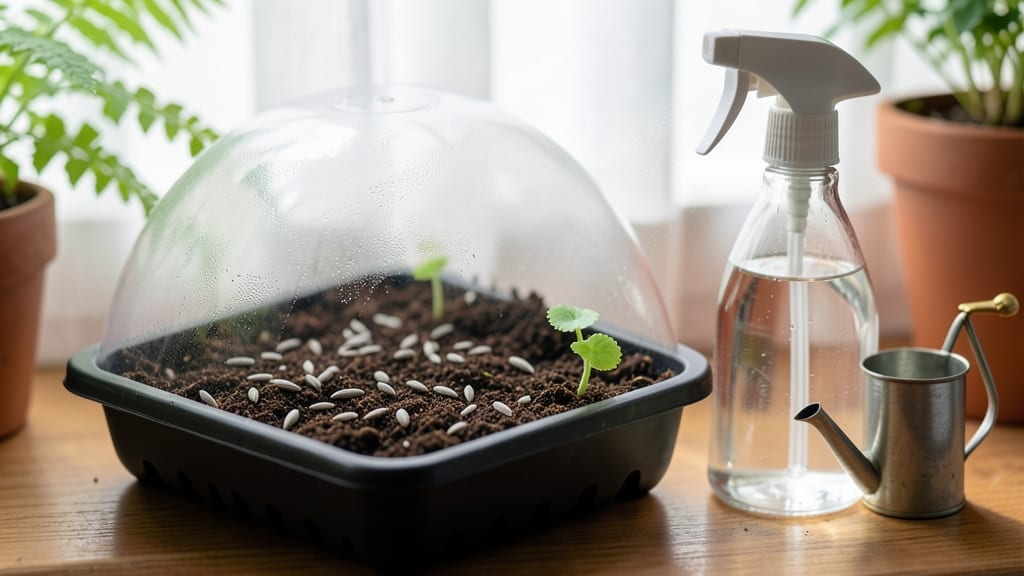
Poppy seed germination time needs a 60-day cold treatment to break dormancy—skipping this step means waiting months for those delicate blooms to appear. 🌸 I learned this the hard way after planting California poppies in spring and watching them sprout erratically, if at all.
The secret lies in mimicking winter's chill, which signals seeds to wake up and grow.
Most poppy varieties (annuals like Shirley poppies or perennials like Iceland poppies) require 40-60 days of cold, moist conditions—think of it as their winter nap. Plant seeds in fall for natural stratification, or refrigerate sown pots for 6-8 weeks if starting indoors.
Keep soil consistently moist but never soggy, and maintain temperatures between 35-45°F for best results.
Once the cold treatment ends, germination happens fast—typically 7-14 days after warming. You'll see tiny green hooks push through the soil, followed by the iconic silvery-blue or fiery-red foliage. The payoff? Vibrant blooms in just 6-8 weeks from planting, with minimal fuss once you've cracked the cold trick.
This method works for both direct-sown seeds in garden beds and container starts, making it perfect for small spaces or urban gardens. The key is patience—those 60 days of cold prep ensure stronger, more reliable sprouts. Ready to grow poppies that actually perform?
📚 In This Guide
- What you need
- Instructions
- Tips and common mistakes
- Wrapping up and next steps
What you need
- ● Poppy seeds: High-quality, fresh seeds (e.g., Papaver somniferum or Papaver rhoeas). Buy from a trusted supplier—avoid grocery-store poppy seeds (they’re often sterilized!). Quantity: ~100–200 seeds (adjust based on desired density).
- ● Growing containers: Seed trays (with drainage holes) or small pots (3–4" diameter). Quantity: 1–2 per 100 seeds.
- ○ Optional: Peat pots or biodegradable containers for transplanting.
- ● Growing medium: Well-draining soil mix—combine: 50% seed-starting mix (sterile, light)
- ● 30% perlite or vermiculite (for aeration)
- ● 20% sand or coconut coir (to prevent compaction).
- ● Cold stratification setup: Refrigerator with a crisp drawer (34–40°F / 1–4°C).
- ○ Optional: A humidity dome or plastic wrap to retain moisture during cold treatment.
- ● Misting bottle (to keep soil evenly moist without overwatering).
- ● Fine-mesh sieve (for evenly distributing seeds).
- ● pH meter or test kit (ideal soil pH: 6.0–7.0).
- ● Grow lights (if starting indoors before last frost).
- ● Plant labels & marker (to track germination progress!).
- ● Patience: Poppy seeds are slow starters—germination can take 14–60 days (the cold trick helps!).
- ● Consistency: Maintain moist (not soggy) soil and stable temps during stratification.
- ● Light access: After cold treatment, place trays in bright, indirect light (or under grow lights).
How to cold-stratify poppy seeds for faster germination
Poppy seeds need a long winter chill to break dormancy—here’s how to replicate it in 60 days.
🌱 Step 1: Prepare Seeds for Cold Treatment
Poppy seeds have a hard outer coating that blocks water and oxygen, so we’ll soften it first. Fill a clean container with lukewarm water and add the seeds, letting them soak for 24-48 hours. You’ll see the seeds swell slightly—this signals the coating is breaking down. After soaking, drain the water and let the seeds air-dry for 1-2 hours on a paper towel.
Here’s the thing—don’t skip the drying step. Wet seeds packed into soil will rot before they sprout. Once dry, you’re ready for the cold treatment that mimics winter’s natural dormancy period. This is the moment that matters: without this step, germination could take 6-8 weeks instead of the 7-14 days we’re targeting.
❄️ Step 2: Replicate 60 Days of Winter Chill
Place the dried seeds in a sealed plastic bag with a small amount of dampened peat moss or vermiculite (just enough to keep them lightly moist). Store the bag in your refrigerator’s crispier drawer, where temperatures hover around 35-40°F. Check the seeds weekly—if the peat moss dries out, mist it lightly with water.
Real talk: your fridge might run cooler, so germination could take a few extra days. The key is consistency. After 60 days, remove the seeds and let them warm to room temperature for 12 hours before planting. This temperature shift mimics spring’s arrival and triggers the seeds to break dormancy.
🌿 Step 3: Plant Pre-Chilled Seeds in Optimal Conditions
Fill seed trays with sterile seed-starting mix and plant the seeds ¼ inch deep, spacing them 2 inches apart. Poppies hate being disturbed, so use a small spoon to create individual holes—this prevents overcrowding and makes thinning easier later. Gently press the soil around each seed to ensure good contact.
Water lightly from the bottom of the tray to avoid displacing seeds. You’ll know moisture is right when the soil surface looks slightly damp but not glistening. Place the tray in a warm spot (65-75°F) with indirect light until germination begins. Watch for the first true leaves—this usually happens within 7-14 days after planting.
☀️ Step 4: Provide Light and Care for Emerging Seedlings
Once the first true leaves appear, move seedlings to a bright location with 4-6 hours of direct sunlight daily. A south-facing window works, but supplement with a grow light if natural light is insufficient. Poppy seedlings grow fast but need consistent light to prevent leggy growth—you’ll see this as thin, pale stems reaching toward the light.
Water when the top inch of soil feels dry, but avoid soggy conditions. Overwatering is the fastest way to kill poppy seedlings, as their delicate roots rot easily. Thin seedlings to 3-4 inches apart once they reach 2 inches tall—this prevents competition and encourages stronger stems.
Tips & tricks for perfect poppy seed germination
Here's what nobody tells you about getting those stubborn poppy seeds to sprout reliably—these tricks cut weeks off your waiting time.
Soaking Secret: The 24-48 hour soak isn't just about hydration—it's about breaking the seed's natural defense mechanism. Use lukewarm water (around 90°F) instead of cold to speed up the swelling process. After draining, spread seeds on a paper towel in a single layer and let them dry completely (1-2 hours). This prevents mold while preparing them for the cold treatment. The key visual cue is when seeds look slightly wrinkled but not sticky—this means they're ready for the next step.
Cold Treatment Consistency: Your refrigerator's crispier drawer should maintain 35-40°F consistently, but fridges vary wildly. Place a thermometer in the drawer with your seeds for the first week to confirm temps. If your fridge runs cooler (common in newer models), germination may take 5-7 extra days. The dampened peat moss or vermiculite should feel like a wrung-out sponge—too wet and seeds will rot; too dry and they won't break dormancy. Check weekly and adjust moisture as needed.
Planting Precision: When creating those ¼-inch deep holes in Step 3, use a pencil or chopstick instead of your finger to avoid compacting the sterile seed-starting mix. The holes should be just wide enough to accommodate a single seed—any larger and you risk uneven moisture distribution. After planting, gently press the soil around each seed using your fingertip (not the palm) to create firm contact without compressing the roots. This subtle pressure mimics natural soil conditions and improves germination rates.
Pro Tips for Poppy Seed Germination Time
- Here's what nobody tells you about getting those stubborn poppy seeds to sprout reliably—these tricks cut weeks off your waiting time.
- Soaking Secret: The 24-48 hour soak isn't just about hydration—it's about breaking the seed's natural defense mechanism.
- Cold Treatment Consistency: Your refrigerator's crispier drawer should maintain 35-40°F consistently, but fridges vary wildly.
Frequently asked questions
Got questions about getting your poppy seeds to sprout? You’re not alone! Here are the most common concerns—plus quick, actionable answers to help you grow those gorgeous blooms faster.
How long does it take for poppy seeds to germinate?
Most poppy seeds sprout in 7–21 days under ideal conditions (warm soil, consistent moisture). However, many gardeners use a 60-day cold stratification trick to mimic winter’s natural process, which can speed up germination and boost success rates. Patience is key—some stubborn seeds may take up to 30 days!
Why do poppy seeds need cold stratification?
Poppy seeds are dormant and often require a cold period to break dormancy. Stratification mimics winter’s chill, tricking seeds into thinking conditions are right for growth. Without it, germination can be spotty or slow. The 60-day cold trick (like refrigerating seeds in damp paper towels) is a foolproof way to ensure stronger, faster sprouts!
What’s the best way to speed up germination?
Keep seeds moist but not soggy—overwatering can drown them. Use a seedling heat mat (70–75°F) or place pots in a sunny window. For extra oomph, try soaking seeds in lukewarm water for 24 hours before planting. Just avoid burying them too deep—poppy seeds need light to germinate!
What should I do if my poppy seeds aren’t sprouting?
First, check for rot or mold—if soil feels mushy, let it dry slightly. If seeds are old (<1 year), germination rates drop. Try scarifying (lightly nicking the seed coat) or re-stratifying. If all else fails, test a few seeds in a damp paper towel—if they don’t sprout in 2 weeks, they may be non-viable.
Can I grow poppies from store-bought poppy seed bags?
Yes! But avoid culinary poppy seeds (used for baking)—they’re often treated to prevent sprouting. Look for “garden poppy” or “opium poppy” (Papaver somniferum) seeds labeled for planting. Check seed packets for germination rates—higher percentages mean better odds. Pro tip: Buy fresh seeds (current year) for the best results!
Wrapping up and next steps
Growing poppy seeds from scratch is a rewarding journey, and with the right 60-day cold trick, you can significantly speed up germination.
Remember, patience and consistency are key—whether you're prepping seeds in the fridge or maintaining moisture in your growing medium, each step brings you closer to those delicate blooms. Now that you’re armed with the knowledge, why not give it a try? Grab your supplies, follow the steps, and soon you’ll be enjoying the beauty of homegrown poppies! 🌸
- Next step: Start with a small batch of seeds and experiment with the cold stratification method.
- Bonus tip: Document your progress with photos—it’s a fun way to track growth!