
How To
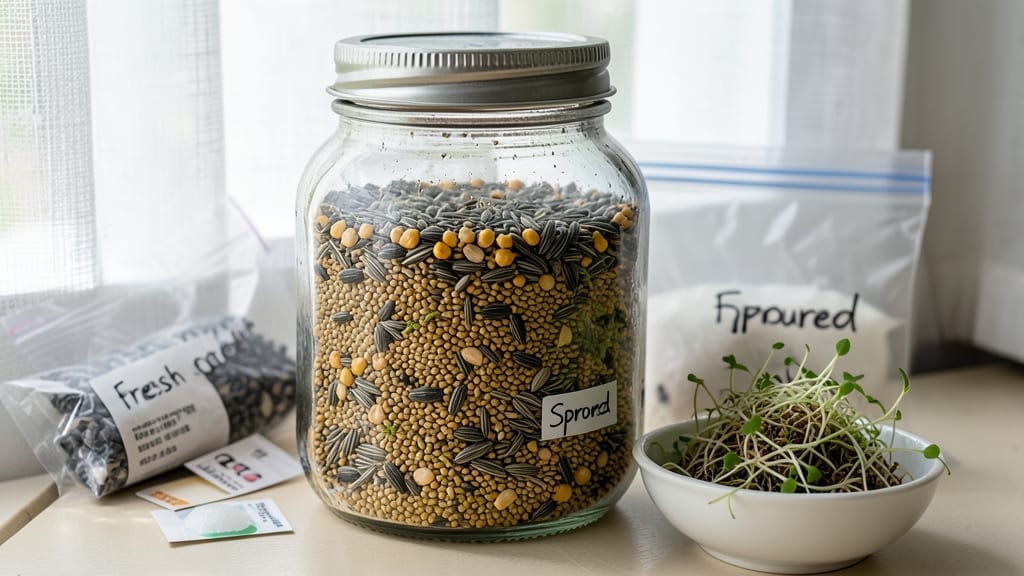
Bird seed sprouting in your storage bin is a frustrating waste—especially when you need it for winter feeders. 🌱 The key to keeping it dry and dormant lies in controlling moisture, temperature, and light, not just tossing it in a bag and hoping for the best.
I’ve lost count of the times I’ve pulled out moldy, sprouted seed only to realize I could’ve saved it with a few simple adjustments.
Start with an airtight container—glass jars or heavy-duty plastic bins work best—because even slight humidity triggers germination. Store the seed in a cool, dark place, like a basement or pantry, where temperatures stay between 40-50°F.
Avoid refrigerators unless they’re humidity-controlled, as condensation can ruin the batch. Label the container with the purchase date so you know when to refresh your supply.
If you’ve already spotted sprouts, don’t panic—just discard the whole batch. Sprouted seed loses nutritional value and can attract pests. To prevent future issues, buy seed in smaller quantities or freeze it in ziplock bags for up to a year.
The goal is to mimic the dry, dormant conditions seed naturally thrives in—just without the unwanted growth.
Common mistakes? Leaving seed in the garage (temperature swings), using damp feeders (moisture transfer), or ignoring the "best by" date. When in doubt, test a small amount: if it smells stale or feels clumpy, it’s time for a new batch.
A little prep now means no surprises when winter birds need their meals.
📚 In This Guide
- What you need
- Instructions
- Tips and common mistakes
- Wrapping up and next steps
What you need
- ● Air-tight containers: 1–2 containers (5-gallon buckets, mason jars, or food-grade plastic bins with tight-sealing lids). Must be clean and dry.
- ● Bird seed: Any type (black oil sunflower, millet, safflower, etc.). Store in quantities you’ll use within 3–6 months.
- ● Desiccant packs: 1–2 silica gel or clay-based packs (20–50g each). Place inside containers to absorb moisture.
- ○ Food-grade diatomaceous earth (optional but helpful): 1 small bag (5–10 lbs). Sprinkle lightly to deter pests.
- ● Vacuum sealer: For long-term storage (1–2 bags at a time). Removes all air and extends shelf life.
- ● Oxygen absorber packs: 1–2 packs (500–1000cc). Slows oxidation and mold growth.
- ● Label maker or masking tape + marker: To label seed types and dates.
- ● Freezer-safe bags: For short-term freezing (if storing in a freezer).
- ● Fine-mesh strainer: To sift seed before storage and remove debris.
Step-by-step instructions for storing bird seed to prevent sprouting
Here's the foolproof method I rely on to keep bird seed dry and dormant—no more sprouting surprises!
🪴 Step 1: Choose the Right Storage Containers
Use only airtight containers made of plastic, glass, or metal—these block both moisture and light, two key triggers for sprouting. I prefer 5-gallon food-grade buckets with tight-sealing lids because they’re durable and stackable. Avoid cardboard or paper bags; even unopened, they let moisture seep in over time.
Clean containers thoroughly before use—any leftover residue from previous seeds can introduce mold or pests. A quick rinse with warm, soapy water followed by a dry towel wipe ensures no lingering dampness. For extra protection, line the bottom with a silica gel packet (the kind that comes in shoe boxes) to absorb any residual moisture.
☀️ Step 2: Store in a Cool, Dark Location
Temperature control is critical—bird seed sprouts fastest at 65-75°F, so aim for below 50°F to slow metabolism. A root cellar, basement, or unheated garage works perfectly, but avoid refrigerators (condensation buys you trouble). I keep mine in a dedicated pantry corner where the thermostat stays steady.
Light exposure accelerates sprouting, so avoid windowsills or shelves near light sources. Even indirect sunlight can trigger germination. If your storage space has fluorescent lighting, cover containers with an opaque cloth or store them in a closed cabinet. The goal is complete darkness—no exceptions.
💧 Step 3: Control Humidity with Absorbents
Moisture is the silent sprouting saboteur, so keep relative humidity below 40%. Place a small box of rice or a calcium chloride moisture absorber inside the container—these draw out excess humidity naturally. I check mine monthly by weighing the rice: if it feels noticeably heavier, it’s time to replace it.
Never store seed in its original bag—those thin plastic liners trap condensation. Transfer to your airtight container immediately after purchase. For extra insurance, sprinkle a handful of uncooked rice at the bottom of the container before adding seed; rice acts as a secondary moisture buffer.
⏰ Step 4: Monitor and Rotate Seed Regularly
Even under perfect conditions, bird seed lasts only 3-6 months before quality declines. I label each container with the purchase date using a permanent marker—this prevents "out of sight, out of mind" mishaps. After 6 months, test a small batch by tossing a handful in water: if it floats, it’s stale and should be discarded.
Rotate stock by using the oldest seed first (FIFO method). If you notice any seeds germinating despite precautions, isolate them immediately—they’ll release ethylene gas, which speeds up sprouting in nearby seeds. A quick freeze for 24 hours kills early sprouts without harming dormant seed.
🌱 Step 5: Handle Seed with Clean, Dry Tools
Contamination starts with dirty hands or tools. Always use clean, dry scoops or ladles when transferring seed—moisture from gloves or utensils can trigger germination. I keep a separate dedicated scoop for bird seed storage, stored in a dry place when not in use.
When filling feeders, do it outdoors on a dry day to avoid accidental moisture exposure. If seed gets wet during handling, spread it on a baking sheet and let it air-dry completely in a well-ventilated area before storing. Never microwave or oven-dry—heat can damage the seed’s viability.
Tips & tricks for preventing bird seed sprouting
These game-changing strategies will help you outsmart sprouting and keep your bird seed fresh for months!
The Container Game-Changer: I’ve found that vacuum-sealed containers take moisture control to the next level—even better than 5-gallon buckets. If you don’t have one, repurpose a mason jar with a tight lid for smaller batches. The key is eliminating all air gaps where moisture could condense. Pro tip: Place a small silica gel packet inside the lid itself for an extra barrier.
Temperature Troubleshooting: That below 50°F target can be tricky if your basement fluctuates. I use a digital thermometer to monitor the space—if it creeps above 55°F, move containers to a cooler corner or consider a small refrigerator (just avoid condensation by keeping the door slightly open). Even a 10°F difference can double sprouting speed!
Humidity Hack for Small Spaces: If your storage area naturally runs humid (like a garage), add a small fan on low setting near the containers. The gentle airflow prevents moisture buildup without disturbing the seed. For extreme cases, place containers on wooden pallets instead of directly on concrete floors—this creates airflow underneath too.
Seed Rotation Rescue: The 6-month shelf life can feel short, but here’s how to stretch it: Divide seed into two containers and alternate which one you use. When the first container hits 6 months, start using the second while the first gets a 24-hour freeze treatment (as mentioned in Step 4). This gives you 12 months of usable seed from one purchase!
Pro Tips for Keep Bird Seed From Sprouting
- These game-changing strategies will help you outsmart sprouting and keep your bird seed fresh for months!
- The Container Game-Changer: I’ve found that vacuum-sealed containers take moisture control to the next level—even better than 5-gallon buckets.
- Temperature Troubleshooting: That below 50°F target can be tricky if your basement fluctuates.
Frequently asked questions
Got questions about keeping your bird seed fresh and sprout-free?
You’re not alone! Here are some of the most common concerns—and the answers to keep your seed safe for feathered friends.
Why does bird seed sprout in the first place?
Bird seed sprouts when it absorbs moisture and warmth, triggering germination. Whole seeds (like sunflower or safflower) are especially prone because they’re still alive. Even small amounts of humidity or light can kickstart the process—so storage matters!
How long can I store bird seed before it starts sprouting?
Most bird seeds stay fresh for 6–12 months if stored properly in a cool, dark, and dry place (like a sealed container in the pantry or freezer). Check for mold, musty smells, or soft spots—these are red flags! Discard seed that’s past its prime to avoid spoilage.
Can I still use sprouted bird seed for birds?
While sprouted seeds aren’t toxic, they lose nutritional value and may attract pests (like rodents or insects). If you spot sprouts, discard the batch—birds won’t benefit, and the seed could go bad faster. When in doubt, toss it!
What’s the best container to keep bird seed from sprouting?
Opt for airtight, opaque containers (like glass jars, metal tins, or heavy-duty plastic bins) to block light and moisture. Avoid clear bags or cardboard—they let humidity in and speed up spoilage. A dehumidifier or silica gel packet in the storage area adds extra protection.
What if my seed already smells or looks weird?
If your bird seed has a musty, sour, or rancid smell or looks discolored/moldy, it’s time to replace it. Moldy seed can harm birds or even spread to other food. For a quick test, crush a pinch—if it smells off, don’t risk it!
Wrapping up and next steps
Keeping your bird seed fresh and sprout-free is all about dryness, darkness, and proper storage—simple tricks that make a big difference! 🌱 By choosing the right containers, controlling humidity, and avoiding moisture, you’ll ensure your seed stays ready for your feathered friends.
Now that you’re equipped with these tips, take the next step: check your current seed storage and give it a refresh if needed. Happy bird-feeding! 🐦✨