
Lawn
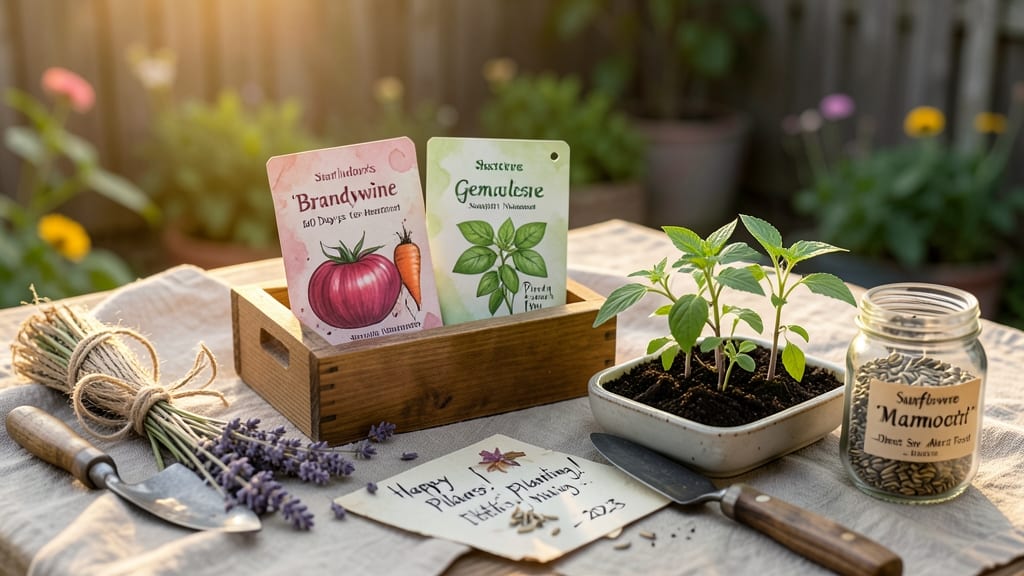
Heirloom seeds are the ultimate gardener’s gift—packed with history, flavor, and the promise of plants that outperform store-bought varieties. 🌱 I’ve given these to fellow green thumbs, and the joy of growing something rare (like ‘Brandywine’ tomatoes or ‘Black Krim’ eggplants) never gets old.
These seeds aren’t just for planting; they’re conversation starters and heirlooms for future harvests.
The magic lies in pairing seeds with thoughtful touches: handwritten planting instructions, a small trowel, or a mini notebook for tracking growth. For pollinator lovers, include ‘Moonflower’ seeds with a bee-friendly tag—it’s a gift that gives back to the garden ecosystem.
Even drought-resistant ‘Cherokee Purple’ beans make a great gift for water-conscious gardeners.
Recipients will end up with plants that produce bigger yields, deeper flavors, and stunning blooms—far beyond what seed packets promise. The best part? These seeds adapt to local climates better than hybrids, so they’ll thrive year after year.
Perfect for gardeners who love stories as much as they love digging in the dirt.
To make it extra special, add a personalized seed packet with the recipient’s name or a fun theme (like “Breakfast Garden” for herbs). Pair it with a garden journal or a sun hat for a gift that grows with their green thumb.
Here’s how to curate a collection that sparks excitement—and maybe a little friendly competition for the best harvest!
📚 In This Guide
- What you need
- Instructions
- Tips and common mistakes
- Wrapping up and next steps
What you need
- ● Seed packets – Choose 3–5 heirloom or organic varieties (e.g., tomatoes, sunflowers, or herbs). Opt for unopened, high-quality packets with clear labeling.
- ● Gift packaging – Kraft paper bags, recycled cardboard boxes, or seed envelopes (quantities: 1 per seed type or 1 larger container for a mix).
- ● Decorative elements – Twine, washi tape, or biodegradable ribbons (1–2 yards total).
- ● Handwritten tags/labels – Small cards or printed labels with planting instructions (1 per seed type or 1 per gift).
- ○ Optional add-ons (for extra flair!)
- ● A mini trowel or seed-starting kit (1 per gift).
- ● Dried flower petals or lavender sprigs (1–2 per package).
- ● Custom stickers or stamps (e.g., "Heirloom Seeds" or "Plant Love").
- ● A handwritten note or poem about gardening (1 per recipient).
- ● Basic crafting supplies (scissors, glue stick, or double-sided tape).
- ● Access to a printer (if using printed labels or tags).
- ● Knowledge of the seeds’ growing conditions (e.g., sunlight, soil type) to include accurate care tips. 💡 Pro tip: Bundle seeds by theme (e.g., "Edible Garden" or "Pollinator-Friendly") for a cohesive gift!
How to curate a thoughtful seed gift for gardeners
Here’s how to pick heirloom seeds that will grow into cherished plants—and leave a lasting impression.
🌱 Step 1: Choose Heirloom Varieties with Proven Performance
Heirloom seeds are the heart of any gardener’s gift—they’re open-pollinated, meaning they’ll produce true-to-type plants year after year. Look for varieties with a reputation for reliability, like ‘Cherokee Purple’ tomato or ‘Black Krim’ cucumber, which thrive in diverse climates and yield abundantly. I always check seed packets for terms like “non-GMO,” “organic,” and “heirloom” to ensure authenticity.
Consider the recipient’s growing conditions—cool-season crops like ‘Winter Density’ kale or ‘Mammoth Melting Snowball’ lettuce are perfect for northern gardeners, while heat-tolerant ‘Early Girl’ tomato or ‘Jalapeño M’ pepper suit southern climates. A quick email or message asking about their zone and preferences ensures your gift will flourish.
📜 Step 2: Select High-Quality Seed Packets with Clear Instructions
Skip generic seed blends—opt for packets from reputable seed companies like Baker Creek Heirloom Seeds, Seed Savers Exchange, or High Mowing Organic Seeds. These brands provide detailed growing instructions, planting depths, and days to maturity, making it easier for the recipient to succeed. I always choose packets with large, legible print and clear germination rates (aim for 85% or higher).
Include a handwritten note with planting tips, such as “Direct sow after the last frost” or “Pinch back tips to encourage bushier growth.” Adding a small seed-saving envelope (available online) encourages the recipient to save seeds for next year, extending the gift’s legacy. A packet of ‘Moon and Stars’ nasturtium is a favorite—it’s easy to grow, edible, and self-seeds prolifically.
🎁 Step 3: Package Seeds with Care and Personal Touches
Use a small wooden box, recycled tin, or kraft paper envelope to elevate the presentation. I like to include a miniature trowel, seed-starting soil pellet, or a handwritten planting calendar to make the gift interactive. For a rustic touch, tie the packet with twine and attach a tag with the variety name and a brief growing note—like “This ‘Brandywine’ tomato is a family heirloom; save seeds from your best fruit!”
Add a personalized seed journal (a blank notebook) where the recipient can track planting dates, harvests, and notes. This turns the gift into an ongoing project, not just a one-time treat. For an extra layer of thoughtfulness, include a small packet of wildflower seeds (like ‘Lavender’ or ‘Cosmos’) to brighten their space while attracting pollinators.
📅 Step 4: Include a Customized Planting Guide
Create a simple one-page guide with planting dates for their region, watering tips, and common pests to watch for. For example, if gifting ‘Blue Lake Bush Bean’ seeds, note that they prefer full sun and well-drained soil and to harvest every 2-3 days to encourage production. I also include a troubleshooting section—like “If leaves yellow, check for overwatering”—to help them avoid common pitfalls.
For a digital touch, add a QR code linking to a video tutorial on starting seeds indoors or a blog post about companion planting. This shows you’ve put extra effort into their gardening success. Pair the seeds with a small packet of organic fertilizer (like fish emulsion or compost tea) to give their plants a strong start. The goal is to make the recipient feel confident and excited to grow!
Tips & tricks for thoughtful seed gift curating
These little details transform a simple seed packet into a meaningful gardening legacy.
Variety Selection Wisdom: When choosing heirloom varieties, prioritize those with proven regional success. For example, ‘Cherokee Purple’ tomatoes thrive in both hot and cool climates, while ‘Winter Density’ kale handles northern winters beautifully. I always verify a variety’s days to maturity matches the recipient’s growing season—nothing’s worse than a gift that arrives too late for planting. Cross-reference with local gardening forums or extension service guides for zone-specific recommendations.
Packet Presentation Pro Tips: The packaging matters just as much as the seeds themselves. Use kraft paper envelopes with wax seals or vintage-style seed boxes for an heirloom feel. I’ve found that adding a tiny glass vial of homemade seed-starting fertilizer (like a mix of compost tea and worm castings) elevates the gift without complicating the process. For extra flair, include a miniature wooden plant marker with the recipient’s name engraved—it’s a keepsake they’ll use year after year.
Personalization That Lasts: The most memorable seed gifts include a handwritten planting timeline tailored to the recipient’s location. I create these using free online planting calculators, then print them on seed paper that can be planted directly. For added value, include a seed-saving tutorial—even beginners can learn to save seeds from easy varieties like ‘Moon and Stars’ nasturtium or ‘Brandywine’ tomatoes. This turns a one-time gift into an ongoing gardening tradition.
Digital Enhancement Strategy: Modern gardeners appreciate QR codes linking to variety-specific growing videos or regional pest guides. I’ve had great success with codes pointing to YouTube tutorials showing exactly how to plant the included seeds. For tech-averse recipients, include a printed QR code with a handwritten note explaining it’s optional but helpful—this bridges the digital divide while keeping the gift accessible to all.
Pro Tips for Seed Gifts For Gardeners
- These little details transform a simple seed packet into a meaningful gardening legacy.
- Variety Selection Wisdom: When choosing heirloom varieties, prioritize those with proven regional success.
- Packet Presentation Pro Tips: The packaging matters just as much as the seeds themselves.
Frequently asked questions
Got questions about seed gifts for gardeners? You’re not alone! Whether you're gifting or receiving, timing, storage, and variety choices can make all the difference. Here are answers to the most common queries to help you grow with confidence.
Can I give seeds as gifts year-round, or is there a best time?
While seeds can technically be gifted anytime, the best time depends on the plant’s growing season. For spring crops (like tomatoes or peppers), gift seeds in early winter or late fall so recipients can start indoors. Fall gifts (like lettuce or kale seeds) work well for late-summer planting. Always include a planting guide with care instructions!
How should I store seed gift packets to keep them viable?
Seeds thrive in cool, dry, and dark conditions. Store them in airtight containers (like resealable bags or jars) with a silica gel packet to absorb moisture. Avoid refrigeration unless the seeds are long-term (5+ years)—most do fine in a pantry or basement. Label packets with the harvest year to track freshness!
What are the best heirloom seed varieties for beginner gardeners?
Start with hardy, fast-growing varieties like:
- Cherry Tomatoes ('Sugar Snap') – Disease-resistant and prolific.
- Bush Beans ('Blue Lake') – Easy to grow, great for containers.
- Lettuce ('Buttercrunch') – Cut-and-come-again harvests.
- Marigolds ('French Marigold') – Pest-repelling and colorful.
What do I do if my seed gift arrives damaged or moldy?
If seeds look discolored, musty, or clumped, they’re likely compromised. Discard them immediately—mold can harm plants. Check the packaging date; seeds typically last 1–5 years (check the packet!). For undamaged seeds, soak them in hydrogen peroxide (1%) for 10 minutes to sterilize before planting.
Are there eco-friendly alternatives to plastic seed packets?
Opt for:
- Recycled paper envelopes with seed-saving tips printed on them.
- Seed paper (embedded with wildflower seeds) for direct planting.
- Cloth seed sachets made from organic cotton or hemp.
- Upcycled tin containers (like mint tins) for bulk seeds.
Wrapping up and next steps
Gifting heirloom seeds isn’t just about sharing plants—it’s about nurturing legacy and fostering growth, both in gardens and communities. These hardy, time-tested varieties promise beauty, sustainability, and joy for years to come, making them the perfect choice for any gardener’s heart. 🌱
Ready to spread the green love? Start by browsing our curated seed gift ideas or crafting your own—then watch your garden (and someone else’s!) flourish with every new season. Happy planting! 🌿