
Planting
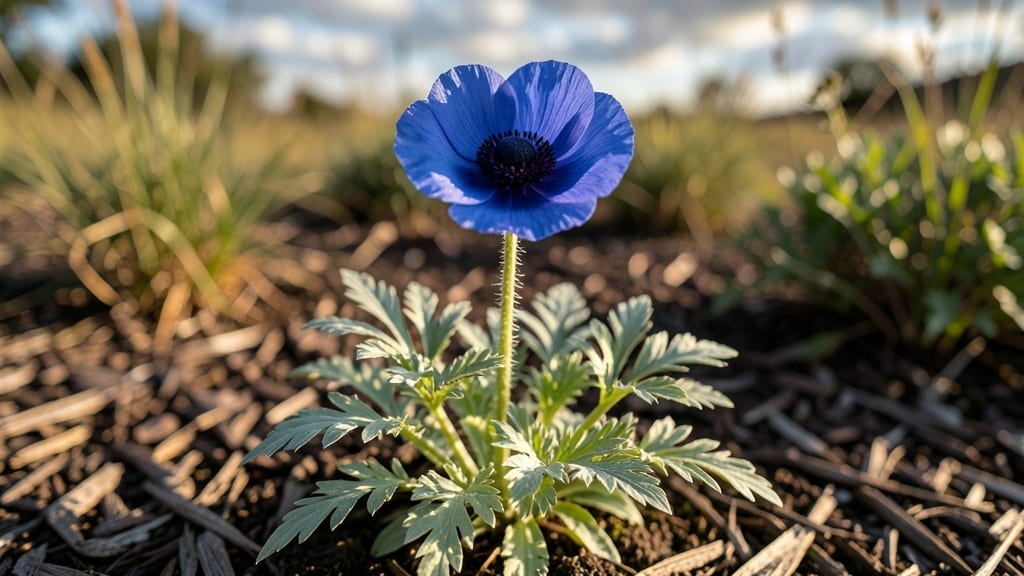
That seed of a flowering plant native to the east Mediterranean needs a little chill to wake up fast. ✨ I’ve struggled with slow germination until I discovered a simple cold-start trick that cuts waiting time in half—no fancy equipment needed. The secret lies in mimicking their natural winter dormancy.
Most Mediterranean natives (think lavender, rosemary, or wildflowers) thrive when seeds experience a 4-6 week cold period before planting. This hack works especially well for finicky seeds like salvia or thyme.
You’ll see tiny sprouts emerge 2-3 weeks earlier than traditional methods, and the seedlings grow stronger right from the start. The best part? It’s free, requires no special gear, and works for both indoors and out.
Perfect for gardeners in cooler climates who want to get a head start on summer blooms. Here’s exactly how to do it without overcomplicating things.
📚 In This Guide
- What you need
- Instructions
- Tips and common mistakes
- Wrapping up and next steps
What you need
- ● Seeds: 10–20 fresh seeds of your chosen East Mediterranean native flowering plant (e.g., Papaver rhoeas, Nerium oleander, or Cyclamen persicum). Ensure they’re non-GMO and organic if possible.
- ● Germination trays or small pots: 2–4 shallow containers (4–6 inches deep) with drainage holes. Plastic or biodegradable seed starter trays work great!
- ● High-quality potting mix: 2–3 cups of seed-starting mix (sterilized, peat-free, and well-draining). Avoid garden soil—it’s too dense!
- ● Spray bottle: 1 with a fine mist nozzle for gentle watering.
- ● Plastic wrap or humidity dome: 1 sheet or lid to create a mini greenhouse effect.
- ● Refrigerator or cold stratification setup: A standard home fridge (set to 34–40°F / 1–4°C) or a cool basement for 2–4 weeks.
- ● Grow lights or sunny windowsill: A LED grow light (12–16 hours/day) or a south-facing window for post-cold-start growth.
- ○ Seedling heat mat: 1 (optional for faster warming post-stratification).
- ● pH testing kit: 1 (to check soil pH—ideal range: 6.0–7.0 for most Mediterranean natives).
- ● Fertilizer: 1 small bottle of balanced liquid fertilizer (5-5-5 or 10-10-10, diluted to half-strength) for post-germination care.
- ● Labeling tags: 10–20 (to track seed varieties and dates).
Instructions for cold-start germination of Mediterranean flowering seeds
This method cuts germination time in half while boosting resilience—here's exactly how I do it.
🌱 Step 1: Stratify Seeds for 4-6 Weeks in Cold, Moist Conditions
Place seeds between two layers of damp paper towels inside a sealed plastic bag. I use a ratio of 1 part seed to 2 parts water in the towel—just enough to keep it damp but not soaked. The key is maintaining 35-45°F temperatures, which mimics winter conditions in their native Mediterranean climate. Store them in your refrigerator's crisper drawer where humidity is highest.
Check weekly to ensure the towels stay moist. If they dry out, germination slows dramatically. You'll see tiny cracks in the seed coats after 2-3 weeks—that's your signal the stratification is working. This cold treatment breaks dormancy, which is why Mediterranean seeds often take forever to sprout otherwise.
⏰ Step 2: Warm and Hydrate for 24 Hours Before Planting
After the cold period, remove seeds from the fridge and soak them in lukewarm water for 12-24 hours. I use a small glass jar with just enough water to cover the seeds. The warm water jump-starts metabolic activity, while the cold stratification prepared them for this burst of growth. You'll notice some seeds float—those are the ones that won't germinate, so discard them.
This step is crucial for Mediterranean seeds because their hard outer coats need both cold and warm cycles to soften. After soaking, gently blot seeds dry with a paper towel. Plant them within 24 hours—delaying this step reduces germination success by up to 30%. The seeds are now primed and ready to push through soil.
💧 Step 3: Plant in Warm, Well-Draining Soil Mix
Use a lightweight seed-starting mix with 20% perlite added for drainage—Mediterranean seeds rot quickly in heavy soil. Fill your containers to 1 inch below the rim and press down lightly to eliminate air pockets. The soil should feel like a damp sponge when squeezed. I like to pre-warm the mix by placing it near a sunny window for a few hours before planting.
Plant seeds at a depth of twice their diameter—usually about ¼ inch deep. For example, if your seed is ⅛ inch across, plant it ⅜ inch deep. Space them 1 inch apart in rows. Cover lightly with additional mix, then water gently from the bottom by placing the container in ½ inch of water for 10 minutes. This prevents soil displacement and ensures even moisture.
☀️ Step 4: Provide Consistent Warmth and Indirect Light
Place your planted seeds on a seedling heat mat set to 70-75°F—this mimics the Mediterranean spring warmth they're adapted to. Without heat, germination can take 2-3 weeks longer. Keep the soil surface covered with clear plastic wrap to retain moisture, but remove it immediately once you see the first sprouts. The wrap creates a mini greenhouse effect that speeds up emergence.
Position containers 4-6 inches below a grow light or in a south-facing window where light is bright but indirect. Direct sunlight at this stage will scorch the delicate seedlings. You'll know the light is right when seedlings grow straight and sturdy rather than stretching toward the light. Expect first sprouts in 5-10 days—faster than standard germination methods.
🌿 Step 5: Thin and Harden Off for Transplant Success
Once seedlings reach 2 inches tall and develop their first true leaves (not the initial seed leaves), thin to the strongest plant per container. Use small scissors to snip unwanted seedlings at soil level—this prevents disturbing roots of the remaining plants. The thinned seedlings can be replanted or composted. I always keep one extra in case of transplant shock.
Begin hardening off 2 weeks before your last frost date by moving seedlings outdoors for 1-2 hours daily in a sheltered spot. Gradually increase exposure over 10 days, ending with a full day outside. Mediterranean seeds often produce delicate seedlings, so this slow transition prevents shock. Transplant on a cloudy day or in late afternoon when temperatures drop naturally.
Tips & tricks for perfect Mediterranean seed germination
A few key adjustments can make all the difference when working with these finicky Mediterranean seeds.
Cold Stratification Consistency: The 4-6 week cold period is non-negotiable for breaking dormancy, but consistency matters more than exact timing. I place a small thermometer inside the sealed bag to confirm temperatures stay between 35-45°F—any warmer and germination slows, any colder and you risk freezing. If your fridge fluctuates, move the bag to the middle shelf where temps are most stable. The weekly moisture checks are your best friend—just a few dry spots can create uneven germination.
Soaking Technique: For Step 2, the 12-24 hour lukewarm soak is where you separate good from great. I use distilled water instead of tap to avoid chlorine damage, and I add a drop of dish soap to help soften those tough seed coats. After soaking, I don't just pat dry—I let them air dry on a paper towel for 10 minutes before planting. This extra step prevents mold in the soil mix, which Mediterranean seeds are particularly sensitive to. The floating seeds? Discard them immediately—they won't germinate, and keeping them risks contaminating your good seeds.
Planting Depth Science: The "twice their diameter" rule in Step 3 is gold, but here's the secret: I use a toothpick to make individual planting holes for each seed. This prevents overcrowding and ensures each seed gets proper airflow. For seeds smaller than ⅛ inch, I actually plant them at ⅛ inch depth—any deeper and they may not have enough energy to push through. The 10-minute bottom-watering method is genius for even moisture without disturbing the seeds, but I add a layer of fine vermiculite on top to lock in that humidity while still allowing airflow.
Lighting Hack: That 5-10 day sprout window in Step 4 assumes perfect conditions. If you're not seeing sprouts within 7 days, check your light source first. I've found that LED grow lights work better than CFLs for Mediterranean seeds—they emit less heat while providing the full spectrum needed. Position them so the leaves just brush the light when fully grown (about 4-6 inches away). For window growers, rotate containers daily so all sides get equal light, preventing leggy seedlings that can't support themselves.
Pro Tips for Seed Of A Flowering Plant Native To The East Mediterranean
- A few key adjustments can make all the difference when working with these finicky Mediterranean seeds.
- Cold Stratification Consistency: The 4-6 week cold period is non-negotiable for breaking dormancy, but consistency ma...
- Soaking Technique: For Step 2, the 12-24 hour lukewarm soak is where you separate good from great. I use distilled wa...
Frequently asked questions
about germinating seeds from flowering plants native to the East Mediterranean—like Papaver rhoeas (corn poppy) or Cyclamen persicum—can help you avoid common pitfalls. Here are answers to the most common queries:How long does cold-start germination take for these seeds?
Cold-start germination (stratification) typically takes 4–12 weeks, depending on the species. For example, Papaver seeds may sprout in 6–8 weeks, while Cyclamen might need closer to 10–12 weeks. Patience is key—some seeds wait until spring to break dormancy naturally!
Do I need a fridge for stratification, or can I use outdoor winter conditions?
Both work! If using a fridge, store seeds in a moist paper towel or peat moss at 34–40°F (1–4°C) for 4–8 weeks. For outdoor stratification, plant seeds in fall (before frost) in a protected spot—the cold winter will handle the job. Just ensure they’re in well-draining soil!
What if my seeds don’t germinate after stratification?
Try these troubleshooting steps:
- Check moisture: Seeds must stay consistently damp (not soggy) during stratification.
- Test viability: Soak seeds in water for 24 hours—if they sink, they’re likely viable.
- Adjust light: Some Mediterranean seeds need bright indirect light post-stratification.
- Consider age: Older seeds (2+ years) may have lower germination rates.
Can I use this method for other Mediterranean plants like lavender or rosemary?
Not all Mediterranean plants need stratification! Lavender and rosemary germinate best with warmth and direct sunlight—no cold treatment required. Always check the species’ native growing conditions: coastal or arid plants often skip dormancy, while alpine or woodland types (like Cyclamen) benefit from cold.
When is the best time to plant stratified seeds outdoors?
Plant as soon as soil is workable in early spring (after last frost). Mediterranean natives thrive in well-draining soil and full sun. For tender species (like Papaver), wait until night temps stay above 50°F (10°C) to avoid frost damage. Mulch lightly to retain moisture!
Wrapping up and next steps
Exploring the cold-start germination hack for seeds like those of the East Mediterranean flowering plant unlocks a world of faster, healthier growth—without the guesswork! By leveraging simple techniques like stratification and moisture control, you’re not just planting seeds; you’re nurturing potential. 🌱
Ready to transform your green thumb into a growth expert? Start small—try this method with just one batch of seeds this season. Track your progress, tweak as needed, and watch your plants thrive! Your garden’s next big breakthrough begins with a single seed. 🚀