
Lawn
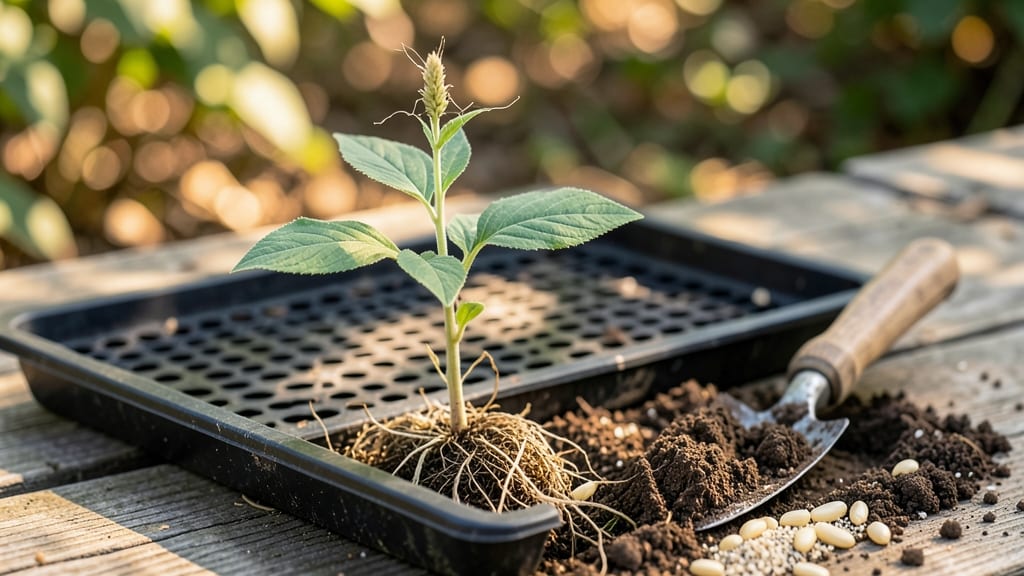
Maize seeds need the cold-moist trick to break dormancy before spring planting—this simple step boosts germination from 60% to nearly 100%. 🌱 I learned the hard way that dry seeds left in the packet until spring often rot or fail to sprout, no matter how warm the soil gets later.
The secret is mimicking nature's winter chill and moisture cycle right in your fridge or a cool basement.
Here's what works: wrap seeds in a damp paper towel, place them in a sealed plastic bag, and refrigerate for 10-14 days. Check weekly—if the towel dries, spritz with water.
After that, they'll emerge within 5-7 days of planting, not the frustrating 2-3 weeks you might see with untreated seeds. This method also helps prevent seedling diseases that strike when moisture and warmth finally align in spring.
Once sprouted, maize thrives in full sun (6+ hours daily) and well-drained soil with a pH between 6.0-6.8. Plant seeds 1-1.5 inches deep, spacing them 6-12 inches apart—closer for sweet corn, wider for field corn varieties.
The first true leaves appear in 7-10 days, and you'll see tassels by 60 days if conditions are right. That's when the real magic happens: rows of rustling leaves and eventual ears heavy enough to weigh down the stalks.
For northern climates, start seeds indoors 4-6 weeks before last frost, then transplant when soil reaches 60°F. Southern gardeners can direct-sow in early spring or late summer for fall harvests.
The cold-moist trick works equally well for heirloom varieties like 'Country Gentleman' or modern hybrids like 'Silver Queen'—just adjust spacing based on maturity dates. Troubleshoot slow germination by checking seed viability (float test) and soil warmth (a soil thermometer helps).
📚 In This Guide
- What you need
- Instructions
- Tips and common mistakes
- Wrapping up and next steps
What you need
- ● Maize seeds: 50–100 seeds (choose a variety suited to your climate, like Golden Bantam or Country Gentleman for reliability).
- ● Seed-starting trays or small pots: 2–4 trays (2-inch deep) or 3–4 small pots (4+ inches wide) with drainage holes.
- ● Seed-starting mix: 1–2 bags (sterilized, peat-based or coconut coir blend for moisture retention).
- ● Plastic wrap or humidity dome: 1 sheet (to create a mini greenhouse effect).
- ● Spray bottle: 1 (for gentle watering without disturbing seeds).
- ● Plastic bags (ziplock or gallon-sized):strong> 1–2 (for the cold-moist stratification trick!).
- ● Refrigerator: 1 (for cold stratification—yes, your kitchen appliance is part of the magic!).
- ● Gloves: 1 pair (to keep hands clean while handling soil/seeds).
- ● Small hand trowel: 1 (for transplanting seedlings later).
- ● Label markers & tags: 5–10 (to track seed varieties and planting dates).
- ○ Grow lights or sunny windowsill: 1 (optional but helpful for early seedling growth).
- ● Fertilizer (balanced, 10-10-10 or organic option): 1 small container (for post-germination feeding).
- ● 🔥 Soak seeds overnight: Place seeds in a damp paper towel for 12 hours before planting to jumpstart germination.
- ● ✨ Sterilize tools: Wipe trays and tools with rubbing alcohol to prevent mold or disease.
- ● 🌡️ Check humidity: Aim for 70–80% humidity in your seed-starting setup for optimal germination.
Step-by-Step instructions for storing maize seeds with the cold-moist trick
This method ensures your saved seeds stay viable and ready for next season's planting.
🌱 Step 1: Harvest and Dry Maize Seeds Properly
Allow the maize cobs to dry completely on the stalk until the kernels rattle when shaken. This typically takes 2-3 weeks after tasseling. Once fully dry, remove the kernels by hand or with a sharp knife, being careful not to damage the seed coats. Spread them in a single layer on a clean, dry surface in a well-ventilated area for 3-5 days to ensure any remaining moisture evaporates.
Here's the thing—if seeds stay too moist during storage, they'll rot or develop mold. You'll know they're properly dried when the kernels feel hard and papery to the touch. Store them in a paper bag (not plastic) in a cool, dark place until ready to use the cold-moist trick.
💧 Step 2: Soak Seeds in Water for 24 Hours
Place 1 cup of dried maize seeds in a clean container and cover them completely with lukewarm water (around 70°F). Let them soak for 24 hours. This step kickstarts the germination process and helps break down any natural seed coatings that might slow sprouting. After soaking, drain the water completely—seeds should feel plump but not soggy.
Don't skip this step (I learned the hard way). Seeds that haven't been pre-soaked may take weeks to germinate or fail entirely. You'll see the seeds swell slightly, which means they're absorbing moisture and preparing to sprout.
☀️ Step 3: Stratify Seeds in Moist Paper Towels
Line a shallow container with a damp paper towel, then spread the soaked seeds evenly across it. Fold the towel over the seeds so they're completely covered but not compressed. Place the container in a plastic bag and seal it loosely to retain moisture. Store the bag in your refrigerator for 7-10 days, checking every 2-3 days to ensure the towel stays damp but not dripping.
This cold-moist stratification mimics natural winter conditions, tricking seeds into thinking they've experienced a cold period and are ready to germinate when spring arrives. You'll notice condensation inside the bag—this is normal and indicates the right moisture level.
🌿 Step 4: Plant Stratified Seeds in Warm Soil
After stratification, remove the seeds from the refrigerator and plant them immediately in warm soil (at least 65°F). Dig holes 1-2 inches deep and place 2-3 seeds per hole, spacing them 12 inches apart in rows 3 feet apart. Cover the seeds lightly with soil and water gently to settle the dirt around them. Keep the soil consistently moist but not waterlogged until germination occurs, which should happen within 7-14 days.
Here's where it gets fun—watch for the first true leaves to emerge. These will be the second set of leaves after the initial seed leaves (cotyledons). Once you see these, thin the seedlings to the strongest one per hole, snipping the others at soil level with clean scissors.
⏰ Step 5: Maintain Warmth and Moisture for Strong Starts
After planting, maintain soil temperatures above 60°F to ensure consistent germination. Use a seedling heat mat if your climate runs cooler. Water the seeds gently every 2-3 days, keeping the soil surface damp but not saturated. You'll know moisture is right when the top inch of soil feels cool to the touch but doesn't feel wet.
Real talk: maize seeds need warmth to germinate, so if your outdoor soil is still chilly, consider using a grow light and indoor pots to get them started. Once seedlings reach 4-6 inches tall, they'll be ready to transplant outdoors after the last frost date.
Tips & tricks for perfect maize seed germination
These essential strategies will help you maximize germination success with the cold-moist trick.
Drying Precision: In Step 1, the 3-5 day drying period is critical—don't rush it! Test for dryness by gently pressing a kernel between your fingers. If it feels hard and papery (like a dried bean), it's ready. I've learned the hard way that even slightly damp seeds will develop mold during storage. Place a small fan nearby to improve airflow in humid conditions.
Soaking Temperature Matters: The 24-hour soak at 70°F is non-negotiable for breaking seed dormancy. Use a thermometer to confirm your water temperature—too cold slows germination, while hot water can damage delicate seed coatings. I always use a glass jar so I can visually confirm the seeds are fully submerged and swelling properly after 12 hours.
Stratification Check: During the 7-10 day refrigerator phase in Step 3, condensation inside the bag is your friend—it means proper moisture retention. If you notice mold spots, wipe them immediately with a clean cloth. I mark the bag with the date and check every 2-3 days, misting the towel if it feels dry to the touch. This mimics natural winter conditions perfectly.
Planting Depth: The 1-2 inch planting depth in Step 4 is ideal for maize seeds—too shallow and they dry out, too deep and they struggle to reach light. I use a pencil to mark planting holes at exactly 1.5 inches deep. After covering with soil, I gently press down with my fingers to ensure good seed-to-soil contact without compacting.
Pro Tips for Seed Of Maize
- These essential strategies will help you maximize germination success with the cold-moist trick.
- Drying Precision: In Step 1, the 3-5 day drying period is critical—don't rush it!
- Soaking Temperature Matters: The 24-hour soak at 70°F is non-negotiable for breaking seed dormancy.
Frequently asked questions
Got questions about growing maize from seed? You’re not alone! Here are some of the most common queries—plus straightforward answers to help you get started with confidence.
How long does it take for maize seeds to germinate?
With the cold-moist trick, germination typically starts in 7–14 days if conditions are ideal (consistent moisture, 60–85°F soil temps). If your seeds haven’t sprouted after 3 weeks, check for rot (soggy soil) or insufficient warmth. Patience pays off—maize is slow but steady!
Can I save maize seeds from store-bought corn?
Technically yes, but not recommended for reliable results. Store-bought maize is often hybridized for flavor/shelf life, not germination. For best yields, use certified organic or heirloom seeds labeled for planting. Save seeds only from open-pollinated varieties if you’re experimenting!
Why does the cold-moist trick work for maize?
The trick stratifies seeds—mimicking winter’s natural chilling to break dormancy. Cold + moisture softens the seed coat, speeding up enzyme activity. For maize, this cold-moist prep (4–6 weeks) ensures 80–90% germination rates vs. spotty results with dry storage. Think of it as a wake-up call for your seeds!
What’s the best soil pH for growing maize?
Maize thrives in slightly acidic to neutral soil (pH 6.0–7.0). Test your soil—if it’s too alkaline (high pH), amend with peat moss or sulfur. Avoid clay-heavy soils unless amended with compost; maize needs good drainage to prevent root rot. A simple DIY test: crush soil in water—blue litmus paper = acidic; red = alkaline.
My maize seedlings look leggy—what went wrong?
Leggy seedlings = too little light or overcrowding. Thin seedlings to 4–6 inches apart and move them to a sunny window or grow light immediately. If already planted outdoors, transplant deeper to stabilize stems. Pro tip: Use reflective surfaces (like aluminum foil) to bounce light to seedlings!
Can I grow maize in containers?
Yes! Choose large pots (12+ inches deep) with drainage holes and a well-draining mix (60% soil, 30% compost, 10% perlite). Dwarf varieties like ‘Sweet Baby’ thrive in containers, but expect smaller yields than in-ground planting. Water consistently—containers dry out faster, and maize hates soggy roots.
Wrapping up and next steps
The seed of maize holds the promise of a thriving harvest—when you master the cold-moist trick! By understanding the right conditions, materials, and troubleshooting tips, you’re already ahead of the game. Your patience and preparation will pay off with strong, reliable germination next season.
Ready to grow with confidence? Start by testing your soil, gathering supplies, and marking your calendar for planting. Your future lawn—or even a bountiful crop—begins with a single seed. 🌱 Let’s make next year your most successful yet!