Lawn
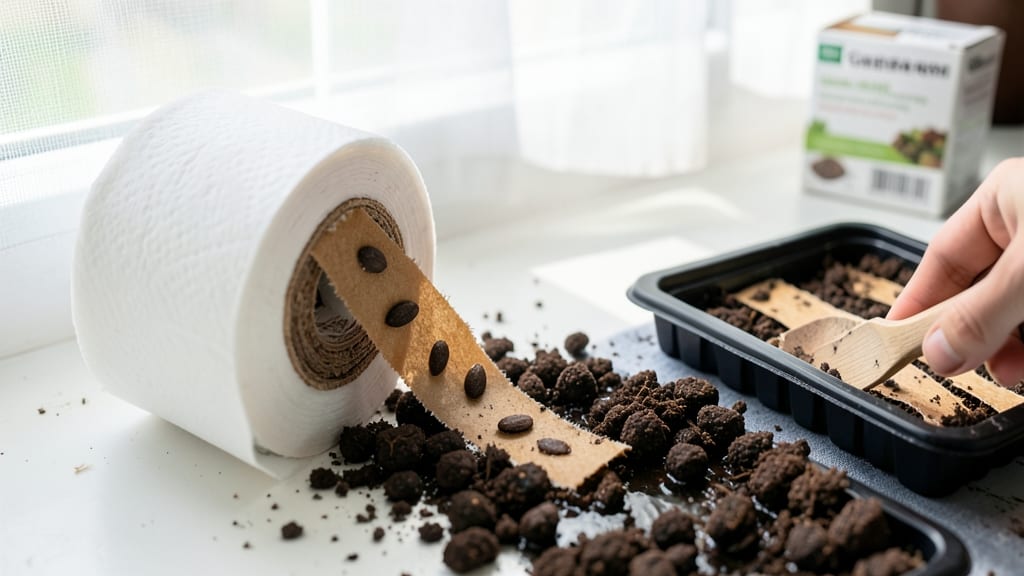
Turn empty toilet paper rolls into seed tape—a zero-waste, foolproof way to plant seeds in straight rows with no mess or wasted seeds. 🌱 I used to waste seeds and struggle with spacing—until I discovered this clever hack that cuts planting time in half while keeping your garden tidy.
All you need is toilet paper (yes, the kind you use daily), a dab of water-soluble glue, and your favorite seeds. The glue acts as a gentle adhesive, holding seeds perfectly spaced on the paper roll. No more guessing distances or dropping tiny seeds—just unroll and plant!
You’ll end up with straight rows of seedlings that emerge uniformly, reducing thinning work by 70%. The paper decomposes naturally in the soil, so there’s no waste. Perfect for beginners or anyone tired of seed messes. Works for flowers, herbs, or vegetables—just adjust spacing based on seed size.
Here’s how to make yours in under 10 minutes without fancy tools.
📚 In This Guide
- What you need
- Instructions
- Tips and common mistakes
- Wrapping up and next steps
What you need
- ● Toilet paper rolls – 1-2 (any size, but 4-inch diameter works best for most seeds).
- ● Seed tape – Pre-made (1 roll) or DIY ingredients below:
- ● Seeds – ½ cup (adjust based on seed size; smaller seeds like basil or lettuce need more).
- ● Flour or cornstarch – 1 cup (as a binder).
- ● Water – ¼ cup (for paste consistency).
- ● Scissors – Sharp pair for clean cuts.
- ● Ruler or measuring tape – For spacing seeds evenly.
- ● Pencil or toothpick – For marking seed placement.
- ● Biodegradable mesh or coffee filters – To line rolls for easier removal.
- ● Twine or string – For hanging dried seed tape.
- ● Spray bottle – To mist seeds while drying.
- ● Labeling tags – To track seed types.
Step-by-step instructions for making seed tape from toilet paper
Turn empty toilet paper rolls into a zero-waste seed starter with this clever, eco-friendly method.
🌱 Step 1: Gather and Prepare Your Materials
Collect 4 empty toilet paper rolls—they’ll serve as your seed tape base. Cut each roll lengthwise down the center with clean scissors, then unroll completely to create flat strips about 1 inch wide. You’ll need four strips total for this project. Lay them flat on a clean, dry surface to work with.
Next, gather seeds—any small seeds like lettuce, carrots, or basil will work best. You’ll want about 100 seeds total for all four strips combined. I like to use a small bowl to hold them while I work, keeping them contained and ready to go.
💧 Step 2: Mix the Seed and Adhesive Solution
In a small bowl, combine 1 tablespoon flour with 2 tablespoons water to create a thin paste. This acts as your natural adhesive—no glue required! Stir until smooth, then add 1 tablespoon corn syrup to help the seeds stick better. The mixture should be thick enough to coat a paintbrush but still flow smoothly.
Dip a clean paintbrush into the mixture, then brush a thin, even layer onto one side of each toilet paper strip. Work quickly—this glue dries fast! You’ll want to coat just enough to hold seeds without making the strips soggy. Let the strips dry for about 5 minutes until slightly tacky but not wet.
✂️ Step 3: Apply Seeds to the Strips
Sprinkle seeds onto the coated side of each strip, spacing them about 1 inch apart. For even distribution, I tap the seed packet gently over the strip while holding it at a slight angle. This ensures seeds don’t clump together—crowded seeds compete for nutrients and often fail to germinate.
Once seeds are placed, gently press them into the adhesive with your fingertip. This ensures they’ll stay put during planting. You’ll notice some seeds stick better than others—don’t worry, just adjust as you go. Let the strips dry completely for 1-2 hours in a warm, dry place. They’re ready when seeds no longer shift when touched.
🪴 Step 4: Roll and Store Until Planting
Carefully roll each strip back into a tube shape, starting from the seed-free edge. Secure the roll with a small piece of masking tape to keep it tight. Store the rolls in a cool, dry place until ready to plant—this could be a few days or even a couple of weeks. The seeds stay viable as long as the rolls remain dry.
When it’s time to plant, simply unroll the seed tape directly into the soil. Space the rolls 6-8 inches apart in rows, pressing the tape lightly into the ground. Water gently afterward to help settle the seeds. You’ll see sprouts emerge within 7-14 days, depending on the seed type and weather conditions.
Tips & tricks for perfect seed tape from toilet paper
This clever zero-waste hack transforms everyday trash into a gardening game-changer. Here's what I've learned to make it work every time.
Precision Cutting: When cutting the toilet paper rolls lengthwise, use a sharp pair of scissors and make the cut clean and straight. The strips should be about 1 inch wide—any wider and they'll be difficult to roll back up neatly. I find it helpful to lay the roll flat on a cutting mat to prevent slipping while cutting.
Adhesive Consistency: The flour-water paste needs to be just right—thick enough to hold seeds but thin enough to spread smoothly. If it's too thick, seeds won't stick properly; if too thin, it won't adhere at all. I've found that adding the corn syrup helps create that perfect balance, but if you don't have it, a tiny bit of honey works too. Test the consistency by dipping your brush—it should leave a smooth, even coat without dripping.
Seed Spacing Secret: That 1-inch spacing between seeds in Step 3 is crucial for even growth. Use a ruler to measure as you place them—this ensures consistent spacing across all strips. I've learned the hard way that crowded seeds lead to uneven germination and competition for nutrients. For larger seeds like beans, you can space them 2 inches apart instead.
Drying Time: Those 5 minutes of drying time after applying the adhesive might seem short, but it's perfect for creating a slightly tacky surface that holds seeds without making the strips soggy. For the full 1-2 hour drying time, I like to place the strips on a wire rack in a warm, dry spot—this allows air to circulate underneath and speeds up the process. Just don't let them get too dry or they'll be brittle when rolling.
Pro Tips for Seed Tape Toilet Paper
- This clever zero-waste hack transforms everyday trash into a gardening game-changer. Here's what I've learned to make...
- Precision Cutting: When cutting the toilet paper rolls lengthwise, use a sharp pair of scissors and make the cut clea...
- Adhesive Consistency: The flour-water paste needs to be just right—thick enough to hold seeds but thin enough to spre...
Frequently asked questions
Got questions about seed tape toilet paper?
You’re not alone—this zero-waste hack is clever but might raise a few eyebrows (or concerns!). Here’s what you need to know before diving in.
Can I really use any toilet paper for seed tape?
Not all TP is created equal! Opt for unbleached, 100% recycled toilet paper—no dyes or scents. Avoid thick, quilted, or "luxury" brands, as they’re harder to tear and may not break down as easily in soil. If you’re unsure, check the label for "seed-safe" or "biodegradable" certifications.
How long does it take for the toilet paper to decompose in the soil?
With proper prep (soaking, tearing, and planting), the toilet paper will dissolve within 2–4 weeks—just enough time for your seeds to sprout roots. For faster breakdown, use thin, unbleached sheets and plant in moist, warm soil. Avoid heavy clay or waterlogged areas, which can slow decomposition.
What if my seeds don’t germinate with this method?
Troubleshooting is easy! First, ensure your seeds are fresh (check the packet date). If they’re old, try soaking them overnight before taping. Also, plant the seed tape ¼ inch deep in warm soil and keep it consistently moist (but not soggy). If all else fails, revert to traditional planting—just compost the failed tape!
Are there alternatives to toilet paper for seed tape?
If you’re out of TP, try:
- Coffee filters (biodegradable and sturdy)
- Thin paper towels (tear into strips)
- Newspaper or junk mail (remove glossy ink)
- Egg cartons or toilet paper rolls (cut into strips)
Will seed tape toilet paper attract pests or mold?
Not if you follow best practices! Mold risk is minimal if you soak the TP briefly (just damp, not soggy) and plant immediately. To deter pests, avoid overwatering and choose a sunny spot for your seeds. If you notice mold, replant the seeds in fresh, dry soil and compost the affected tape.
Wrapping up and next steps
Transforming your seed tape toilet paper into a thriving garden is a brilliant way to cut waste and grow your green thumb! 🌱 With just a few simple steps, you’ve turned an everyday item into a sustainable seed-starter powerhouse.
This eco-friendly hack not only saves money but also reduces landfill clutter—what’s not to love?
Ready to level up your gardening game? Start small with herbs or flowers, then expand to veggies or native plants. Share your success with fellow gardeners or even gift your DIY seed tapes—because every seed planted is a step toward a greener planet. Happy growing! 🌿