
Planting
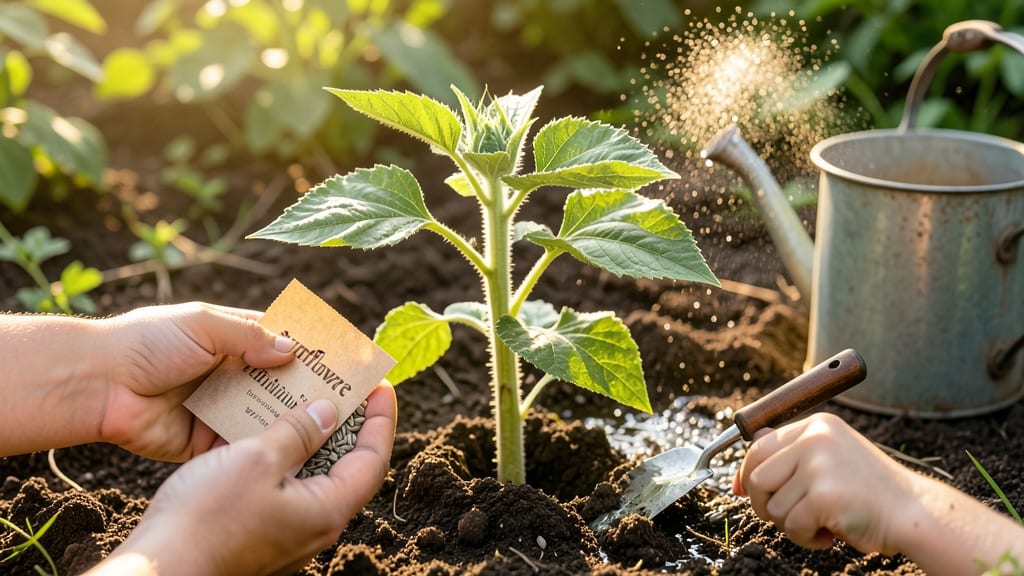
Sowing seeds in the morning gives them the coolest start of the day—literally. 🌱 The moment you plant, soil stays moist longer, young roots establish faster, and seedlings avoid the midday heat that can scorch tender leaves before they even pop through the soil.
This practice shines brightest in warm climates or when growing delicate crops like lettuce, basil, or marigolds. Morning sowing also helps avoid pests like aphids that are most active in the heat of the day. Think of it as giving your seeds a head start on survival.
You’ll need well-drained soil, a gentle watering can, and a shaded spot until seedlings are strong enough to handle the sun. I’ve seen seedlings that would’ve wilted in afternoon planting thrive when sown early—sometimes they’re up and growing within days instead of weeks.
Best for spring and summer planting in most zones. Even in cooler climates, morning sowing helps maintain consistent moisture, which is key for germination. Ready to give your seeds the best possible beginning?
📚 In This Guide
- What you need
- Instructions
- Tips and common mistakes
- Wrapping up and next steps
What you need
- ● Seeds: Choose fast-growing varieties (e.g., lettuce, radishes, or beans) to see results quickly—perfect for morning sowing!
- ● Quantity: 1–2 packets (enough for a small plot or containers).
- ● Growing Medium: Potting soil or garden soil (sterilized if reusing). Pro tip: Mix in compost for nutrient-rich soil! 🌡️
- ● Quantity: 1–2 bags (depending on plot size).
- ● Containers or Garden Bed: Option 1: Raised beds (4”–6” deep, 12”–18” wide).
- ● Option 2: Pots (5”+ diameter with drainage holes).
- ● Watering Can or Hose: With a gentle spray nozzle for even moisture.
- ● Gloves & Hand Trowel: For easy planting and soil prep.
- ● Sunlight Access: A spot with 6+ hours of morning sun (critical for biblical timing!).
- ● Seedling Heat Mat: For cooler mornings (especially in early spring).
- ● Row Covers: Lightweight fabric to protect young seedlings.
- ● Fertilizer: Slow-release granules or liquid feed (follow package instructions).
- ● Journal or Sticky Notes: To track planting dates and growth progress—documenting your biblical journey! ✨
Step-by-Step guide to sowing seeds at the optimal time
Morning sowing isn't just tradition—it's science. Here's how to make the most of those cool, dew-fresh hours.
☀️ Step 1: Choose Your Morning Window
Sow seeds between 6:00 and 9:00 AM when temperatures are coolest. I always check the forecast first—if highs are above 85°F, I wait for a cloudy morning or shade the soil afterward. The goal is to avoid stressing seedlings with midday heat while they're still vulnerable.
Morning soil is naturally moist from overnight dew, which means you won't need to water immediately. This reduces the risk of washing seeds too deep or creating crusty soil surfaces that block germination. I like to work when the ground still has that fresh, damp smell—it's my signal that conditions are perfect.
🌱 Step 2: Prepare the Soil Properly
Loosen the soil to a depth of 6 inches using a garden fork or trowel. Break up any clumps so seeds can make direct contact with moisture. I run my fingers through the soil to check for even moisture—it should feel like a wrung-out sponge, not dry sand or mud.
For delicate seeds, I create small furrows with my finger rather than digging holes. This keeps them at the ideal ¼ to ½ inch depth without disturbing surrounding soil. The key is gentle—overworking the soil compacts it again and creates air pockets that seeds can't cross.
💧 Step 3: Sow with Precision Timing
Plant seeds when the soil surface is still cool to the touch, usually within 30 minutes of sunrise. I space them according to packet instructions, tapping them gently into place rather than dropping them—this prevents overcrowding and makes thinning easier later. For larger seeds, I use my thumbnail to create individual planting holes.
Cover seeds immediately with soil to prevent drying. I use a small hand rake to gently draw soil over them, then press lightly with my fingers to ensure good seed-to-soil contact. The moment the first seeds touch sunlight, they begin the germination clock—so speed matters.
⏰ Step 4: Water and Protect for 24 Hours
Water gently using a fine spray nozzle or watering can with a rose attachment. The soil should be moist but not soggy—think of a damp sponge where water beads up slightly on the surface. I avoid overhead watering after planting to prevent seed displacement, especially with tiny seeds like lettuce.
Shade the newly sown area with a lightweight row cover or old window screen if your climate gets hot quickly. This buys 12-24 hours of protection while seeds establish their first roots. I check the soil temperature with my hand—if it feels warmer than 75°F by mid-morning, it's time to provide shade.
🌿 Step 5: Monitor for Germination Cues
Watch for the first signs of germination within 5-14 days, depending on the seed type. I look for tiny green "hooks" breaking through the soil surface—this is the seedling's first true leaf emerging. The soil should stay consistently moist but never waterlogged during this period.
Once seedlings appear, remove any shade cloth immediately to prevent overheating. Morning-sown seeds typically emerge more uniformly than those planted later, giving you stronger, more synchronized growth. I make a note of each variety's emergence date—this helps me plan future succession plantings.
Tips & tricks for perfect morning seed sowing
Timing your planting right can make all the difference between thriving seedlings and wasted effort—here's how to get it perfect.
Timing Secret: The 6:00-9:00 AM window is ideal because morning dew keeps soil naturally moist, but if your forecast shows highs above 85°F, wait for cloud cover or shade the area immediately after planting. I've learned this the hard way—once, my lettuce seeds barely germinated because I planted them too early on a scorching morning. The soil surface dried out before seeds could sprout.
Soil Preparation Tip: When loosening soil to 6 inches in Step 2, focus on breaking up clumps rather than creating a powdery texture. I press my fingers into the soil—it should hold together like a damp sponge. For delicate seeds, those tiny furrows you create with your finger make all the difference in keeping seeds at the perfect ¼ to ½ inch depth without disturbing the surrounding soil too much.
Precision Planting: In Step 3, planting within 30 minutes of sunrise gives seeds the coolest possible start, but don't rush—tap seeds gently into place rather than dropping them. This prevents overcrowding and makes future thinning easier. For larger seeds like beans, I use my thumbnail to create individual holes, which gives them better access to moisture right from the start.
Germination Strategy: After planting, keep the soil consistently moist but never soggy during those critical 5-14 days. I water with a fine spray nozzle in the morning and check again in the evening. The moment you see those tiny green "hooks" breaking through the soil, remove any shade cloth immediately—morning-sown seeds emerge more uniformly and grow stronger when they get proper sunlight right away.
Pro Tips for Sow Your Seed In The Morning
- Timing your planting right can make all the difference between thriving seedlings and wasted effort—here's how to get it perfect.
- Timing Secret: The 6:00-9:00 AM window is ideal because morning dew keeps soil naturally moist, but if your forecast shows highs above 85°F, wait for cloud cover or shade the area immediately after planting.
- Soil Preparation Tip: When loosening soil to 6 inches in Step 2, focus on breaking up clumps rather than creating a powdery texture.
Frequently asked questions
Got questions about sowing your seeds in the morning? You’re not alone!
Here are some of the most common inquiries—and straightforward answers—to help you grow with confidence.
Why does the Bible emphasize morning seed sowing?
The principle of sowing your "seed" (whether literal seeds, time, or effort) in the morning symbolizes intentionality and trust in God’s timing. Morning light represents new opportunities, and starting early aligns with diligence—key themes in Proverbs 3:6 ("in all your ways acknowledge Him, and He will direct your paths"). For gardeners, it also means cooler temps, higher humidity, and fewer pests!
What’s the exact best time to plant in the morning?
Aim for sunrise to 2–3 hours after dawn (typically 6–9 AM, depending on your climate). Avoid mid-morning heat if temperatures exceed 80°F (27°C)—seeds can dry out or overheat. Pro tip: Check your local frost dates and soil temps (use a soil thermometer) to fine-tune your schedule!
Can I sow seeds in the evening instead?
Yes, but with caveats! Evening planting works for fast-germinating seeds (like radishes or lettuce) or in cooler climates. Just ensure:
Don’t stress! Plant as soon as possible—just adjust your approach:
If seeds linger without sprouting, check these fixes:
For most crops, though, morning wins for consistency and speed.
What if I miss the morning window?
Remember: Even a "late" start is better than none!
How do I troubleshoot seeds that won’t germinate in the morning?
Issue
Solution
Too dry
Mist seeds daily with a spray bottle until soil is damp (not soggy).
Too cold
Use a seedling heat mat or cover with black plastic for 2–3 days.
Poor soil
Amend with compost or use a seed-starting mix (lighter than garden soil).
Old seeds
Test viability by soaking 10 seeds in water—if <50% float, replace them!
Wrapping up and next steps
Remember, sowing your seed in the morning isn’t just biblical wisdom—it’s a practical strategy for thriving gardens and fruitful lives. Whether you’re planting seeds or nurturing dreams, timing and intention make all the difference. 🌱✨
Now that you’re armed with insights, take that first step today—whether it’s prepping your soil, setting intentions, or simply stepping outside to feel the morning light. Your future harvest starts with this moment!
- 🌿 Action Step: Mark your calendar for your next morning planting session!
- 📖 Reflect: How can you apply this principle beyond gardening?