Lawn
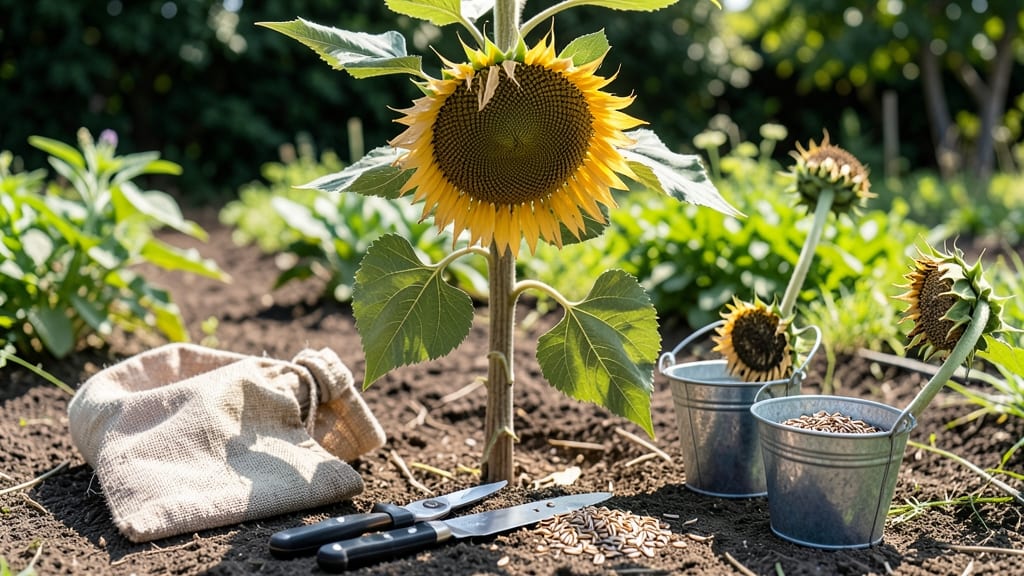
Those sunflower seed heads are nature's winter treasure chest. 🌻 I've learned the hard way that waiting too long to harvest means watching birds and squirrels clean out your stash before you can.
The right timing—when the back of the head turns brown but the seeds are still plump—makes all the difference between a handful of seeds and a full bag ready for planting.
Cold-resistant varieties like 'Autumn Beauty' or 'Russian Giant' stay sturdy through fall frosts, giving you weeks to work with. You'll need sharp pruners, a dry storage spot, and patience—some seed heads take 2-3 weeks to fully dry.
The process is simple but requires checking your heads every few days for proper moisture levels.
Once dry, you'll have seeds for next year's garden plus creative options like bird feeders or handmade crafts. The seed heads themselves add rustic charm to winter arrangements.
Store seeds in paper bags in a cool, dark place, and they'll stay viable for 2-3 years—long enough to plan your next sunflower patch.
Watch for pests like birds and squirrels that love fresh seeds, and protect your heads with netting if needed. The key is balance: harvest early enough to save seeds, but late enough to let them fully mature.
With these varieties, you'll have a reliable source of seeds even in cooler climates.
📚 In This Guide
- What you need
- Instructions
- Tips and common mistakes
- Wrapping up and next steps
What you need
- ● Sunflower seeds: Choose cold-resistant varieties like ‘Autumn Beauty’ or ‘Russian Giant’ (100–200 seeds, depending on desired plant count). Opt for heirloom or organic seeds for best results.
- ● Well-draining soil: A mix of topsoil (50%), compost (30%), and perlite or sand (20%) for aeration. Test soil pH (ideal: 6.0–7.5).
- ● Fertilizer: Balanced 10-10-10 or organic compost (1 cup per 10 sq ft) at planting time. Avoid high-nitrogen fertilizers—they promote foliage over flowers!
- ● Watering can or hose: With a fine-mist nozzle for gentle watering.
- ● Garden trowel or transplanter (for digging holes 1–2 inches deep).
- ● Measuring tape or ruler (to space seeds 12–24 inches apart, depending on variety).
- ● Pruners or scissors (for deadheading spent blooms or harvesting seed heads).
- ● Garden gloves (to protect hands from thorny stems).
- ● Mulch (straw or shredded leaves) to retain moisture and suppress weeds.
- ● Plant supports (stakes or cages) for tall varieties like ‘Mammoth’ (6+ feet).
- ● Bird netting to protect seed heads from hungry squirrels or birds.
- ● Sunflower-specific trellis for vertical gardening in small spaces.
Step-by-step guide to growing cold-resistant sunflower seed heads
Here's how to coax those bold, towering blooms from seed—even in chilly climates.
🌱 Step 1: Choose the Right Varieties for Your Zone
Cold-resistant sunflowers like 'Autumn Beauty' or 'Moulin Rouge' thrive in zones 3-9, while 'Russian Giant' handles early frosts. Check your last frost date—plant after soil warms to 50°F, but don't wait too long; these beauties need 80-100 days to maturity. I always pick dwarf varieties like 'Teddy Bear' for containers or small spaces—they stay sturdy in windy conditions.
If your zone runs cool, opt for early-maturing types. You'll see first sprouts in 7-14 days when soil temps hit 60°F. Plant seeds 1 inch deep and 6 inches apart in rows 2 feet apart for full-size varieties. For dwarf types, halve the spacing—they'll still reach 3-5 feet tall but with wider, more stable heads.
☀️ Step 2: Provide Full Sun and Deep Watering
Sunflowers demand 6+ hours of direct sun daily—no compromise here. Even partial shade stretches stems and reduces head size. I've seen leggy sunflowers in north-facing beds where morning sun barely reaches them by noon. If your space is shady, choose 'Pacific Beauty'—it tolerates 4-5 hours of sun but still produces 8-inch blooms.
Water deeply 1-2 times weekly until stems reach 12 inches tall, then taper to 1 inch per week. You'll know moisture is right when the soil feels damp 2 inches down—not soggy, not dry. Mulch with 2 inches of straw to lock in moisture and deter weeds. This keeps roots cool during heatwaves and prevents the classic "flopping" that happens when stems can't support heavy heads.
💧 Step 3: Fertilize and Support for Maximum Head Size
Feed with a balanced 10-10-10 fertilizer at planting, then again when stems hit 18 inches. I mix in 1 tablespoon per plant to avoid burning tender roots. Stop fertilizing 4-6 weeks before harvest—too much nitrogen late in the season reduces oil content in the seed heads. For giant varieties, stake with 3-foot bamboo stakes tied loosely at the base to prevent snapping in wind or rain.
Watch for powdery mildew on lower leaves—it's common in humid zones. Spray with a 1:10 water-baking soda mix weekly as a preventative. You'll notice healthy plants develop rough, hairy stems and deep green leaves with no yellowing. If leaves start curling or dropping, it's often a sign of overwatering or poor drainage—sunflowers hate wet feet.
⏰ Step 4: Harvest Seed Heads at Peak Maturity
Cut stems when back petals turn brown and seed heads feel heavy in your hand—usually 100-120 days after planting. I use clean pruners to snip 6 inches below the head, leaving stems attached for hanging. Hang upside-down in a dry, dark place with good airflow for 2-3 weeks until seeds rattle when shaken. This drying process ensures maximum germination for next year's crop.
For immediate use, harvest when petals begin wilting but before seeds fully mature. You'll see the classic sunflower shape with dark centers and dry, papery petals. Remove remaining petals by hand and store heads in a cool, dry spot. If you're growing for bird feeders, leave heads on stems until completely dry, then shake seeds into a bucket for easy cleaning.
Tips & tricks for perfect sunflower seed heads
Common pitfalls—and how to sidestep every one when growing these sun-kissed giants.
Variety Selection: Don't overlook the dwarf varieties like 'Teddy Bear' for small spaces—they may be shorter but produce heads just as impressive. I've seen these hold their own in windy conditions where taller varieties would snap. For colder zones, prioritize early-maturing types that can still reach full height before frost. The key is matching your zone's last frost date with the variety's maturity range of 80-100 days.
Sunlight Strategy: Those 6+ hours of direct sun are non-negotiable, but here's what I learned: Morning sun alone won't cut it—you need that afternoon intensity to build strong stems. If your space gets afternoon shade, consider using reflective surfaces like white walls or mirrors to bounce extra light onto the plants. For partial shade situations, 'Pacific Beauty' is your best bet, though it won't reach the same towering heights.
Watering Wisdom: The 2-inch deep moisture check is crucial—this prevents both overwatering (which causes flopping) and underwatering (which stresses the plants). I've found that watering in the morning gives roots time to absorb moisture before evening evaporation. And that 2 inches of straw mulch makes all the difference in heatwaves by keeping roots cool and moisture locked in.
Harvest Timing: The 100-120 day window is your sweet spot, but watch for those brown back petals and heavy heads—they're your clearest indicators. I've harvested too early and gotten immature seeds, and too late and lost seeds to birds. For immediate use, aim for when petals start wilting but before they turn completely brown—this gives you that classic sunflower shape with dry, papery petals that still hold their color beautifully.
Pro Tips for Sunflower Seed Head
- Common pitfalls—and how to sidestep every one when growing these sun-kissed giants.
- Variety Selection: Don't overlook the dwarf varieties like 'Teddy Bear' for small spaces—they may be shorter but prod...
- Sunlight Strategy: Those 6+ hours of direct sun are non-negotiable, but here's what I learned: Morning sun alone won'...
Frequently asked questions
Got questions about growing sunflower seed heads? You’re not alone! Here are some of the most common queries—plus quick answers to help you cultivate stunning blooms with ease.
How long does it take for sunflower seed heads to mature?
Most sunflower varieties reach full maturity—ready for harvest—in 80 to 120 days, depending on the type. Dwarf varieties (like ‘Teddy Bear’) mature faster (around 60 days), while giant varieties (like ‘Russian Giant’) can take up to 150 days. Check your seed packet for exact timelines!
Can sunflower seed heads survive frost?
Sunflowers are cold-resistant, but young seedlings need protection from late frosts (<32°F/0°C). Once established, mature plants can handle light frosts, though heavy frost may damage seed heads. For early planting, use row covers or wait until soil temps are consistently above 50°F (10°C).
What’s the best way to harvest sunflower seed heads?
Harvest when the back of the seed head turns brown/yellow and seeds rattle inside. Cut stems with 6–12 inches of stalk, then hang heads upside-down in a dry, well-ventilated spot for 1–2 weeks. Once fully dry, rub seeds into a bucket or shake them out—easy peasy!
Will birds eat my sunflower seed heads before I can harvest them?
Yes! Birds love sunflower seeds. To deter them, cover heads with fine mesh netting or harvest seeds as soon as they’re dry. Alternatively, plant sunflowers in late summer when bird activity slows—or leave a few heads for wildlife and enjoy the show!
Can I grow sunflowers from store-bought seeds?
Store-bought sunflower seeds (unsalted, in-shell) will sprout, but germination rates vary. For better success, soak seeds overnight, plant them 1 inch deep, and keep soil moist. Pro tip: Use seeds from organic, untreated varieties for the best results.
Wrapping up and next steps
From cold-resistant varieties to proven growing tips, you now have everything you need to cultivate stunning sunflower seed heads—even in cooler climates! 🌻 Whether you're aiming for vibrant blooms, bird-friendly gardens, or unique decor, these hardy plants are a rewarding addition to any yard.
Ready to plant your seeds? Start by choosing your favorite variety from this guide, then mark your calendar for the ideal planting window in your zone. Watch your garden transform as those cheerful seed heads reach for the sun—you’ve got this! 🌱