Lawn
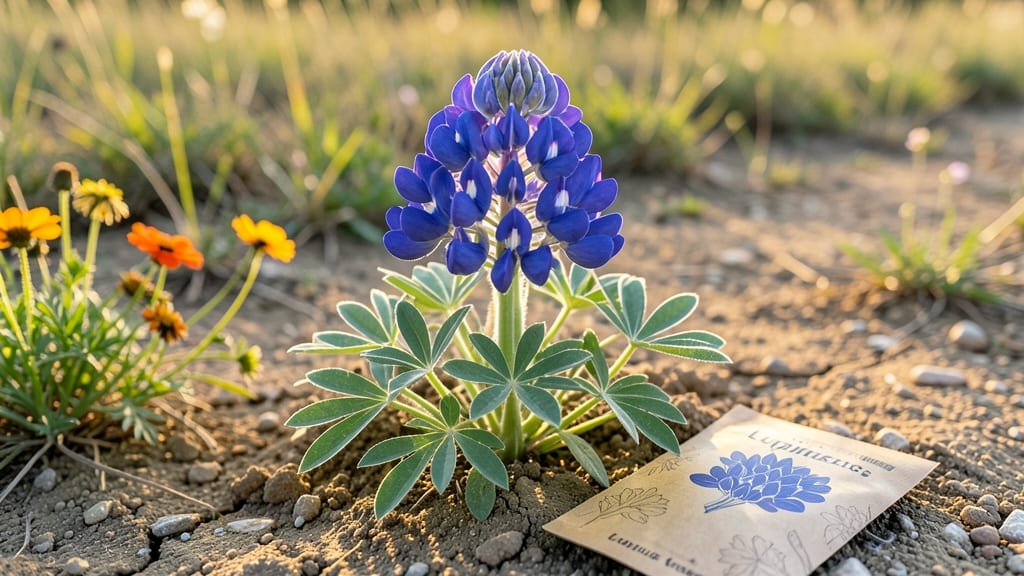
A Texas wildflower seed mix transforms your yard into a vibrant, low-maintenance paradise with just a few hours of work. 🌸 These native blooms—like bluebonnets, winecups, and black-eyed Susans—thrive in our heat and drought once established, outcompeting weeds while supporting pollinators.
I’ve planted mine twice, and the second year needs almost no watering after the initial setup. The secret lies in fall planting when soil stays warm but rain keeps seeds moist. Scatter seeds over prepared soil, lightly rake, and water gently—no need for tilling or fertilizers.
Most mixes include drought-resistant varieties that bounce back after wildfires or dry spells, making them perfect for Texas landscapes. By spring, you’ll see a carpet of color that lasts through summer, with some species reblooming until frost. The best part?
No mowing, no chemicals, just months of effortless beauty that attracts hummingbirds and butterflies. Even my neighbor’s skeptical “it’ll never work” turned into “how’d you do that?” by April. Works in full sun to partial shade, from urban lots to rural fields.
Here’s how to skip the guesswork and get started—no green thumb required.
📚 In This Guide
- What you need
- Instructions
- Tips and common mistakes
- Wrapping up and next steps
What you need
- ● Texas Wildflower Seed Mix – Choose a pre-mixed blend (e.g., 1-5 lbs per 100 sq. ft., depending on coverage goals). Look for native varieties like Bluebonnet (Lupinus texensis), Indian Paintbrush (Castilleja indivisa), or Blackfoot Daisy (Melampodium leucanthum).
- ● Garden Rake or Hand Rake – A stiff-bristle rake (for breaking up soil) or a fine-tooth rake (for smoothing).
- ○ Garden Hoe or Broadfork – Optional but helpful for light tilling (1-2 inches deep) to loosen compacted soil.
- ● Water Source – A hose with a gentle spray nozzle or a watering can (for initial hydration).
- ○ Mulch or Straw – Straw mulch (1-2 inches thick) to retain moisture and suppress weeds (optional but highly recommended in hot climates).
- ● Gloves – Heavy-duty gardening gloves to protect your hands from prickly plants or debris.
- ● Seed Spreaders – A broadcast spreader (for large areas) or a handheld spreader (for precision).
- ● Soil pH Test Kit – Ensures your soil is slightly acidic to neutral (pH 6.0-7.5). Adjust with lime or sulfur if needed.
- ● Organic Fertilizer – A low-nitrogen, phosphorus-rich fertilizer (e.g., 5-10-10) to support root growth (apply sparingly—wildflowers thrive in lean soil!).
- ● Bird & Pest Deterrents – Bird netting (to protect seeds from hungry birds) or neem oil spray (for aphids or other pests).
- ○ Weed Barrier Fabric – Landscape fabric (optional for high-weed areas) to block invasive grasses.
- ● A sunny location with at least 6-8 hours of direct sunlight daily (wildflowers hate shade!).
- ● Well-draining soil—avoid low-lying areas where water pools after rain.
- ● Timing—Plant in early fall (Sept-Oct) or late winter (Feb-Mar) for optimal germination.
- ● Patience—Wildflowers may take 2-4 weeks to sprout and 6-12 months to reach full bloom.
Step-by-step instructions for planting a Texas wildflower meadow
Here's how to create a vibrant, low-maintenance wildflower display that thrives in Texas heat.
🌱 Step 1: Prepare the Soil for Optimal Germination
Choose a sunny location with 6+ hours of direct sunlight daily—most Texas wildflowers need full sun to bloom profusely. Clear the area of weeds and debris, then loosen the top 4-6 inches of soil with a rake or tiller. Wildflowers don’t need rich soil; in fact, they often perform better in lean, well-draining conditions. If your soil is heavy clay, mix in 1-2 inches of compost to improve drainage without over-fertilizing.
Test the soil pH—most Texas wildflowers prefer a slightly acidic to neutral range (6.0-7.5). If your soil is alkaline, amend with a thin layer of peat moss or sulfur. Avoid tilling too deeply; wildflower roots need to establish quickly near the surface. Once prepped, let the soil settle for a day or two before planting to prevent erosion.
💧 Step 2: Scatter Seeds and Lightly Cover
Spread the wildflower seed mix evenly across the prepared area, aiming for a coverage rate of about ½ pound per 100 square feet. For larger areas, use a broadcast spreader to ensure even distribution. Don’t worry about spacing individual seeds—wildflowers thrive in dense clusters. Lightly rake the seeds into the soil with a fine-toothed rake, pressing them just enough to make contact with the earth without burying them.
Water the area gently but thoroughly to moisten the soil to a depth of 1-2 inches. Keep the soil consistently moist (not soggy) for the first 4-6 weeks7-21 days, depending on the mix and weather conditions.
☀️ Step 3: Maintain Moisture and Control Weeds
Once germination begins, reduce watering to 1-2 times per week, allowing the top inch of soil to dry between waterings. Overwatering at this stage can lead to fungal issues or leggy growth. Wildflowers are drought-tolerant once established, but consistent moisture during the first growing season ensures strong root development. Mulch lightly with ¼ inch of straw or wood chips to retain moisture and suppress weeds without smothering the seedlings.
Weed control is key during the first few months. Pull weeds by hand as soon as they appear—wildflowers grow slowly at first and can’t compete with aggressive weeds. Avoid herbicides, which will kill your wildflowers along with unwanted plants. If birds or squirrels start snacking on the seeds, cover the area with lightweight netting until germination is complete.
⏰ Step 4: Enjoy and Encourage Regrowth
Most Texas wildflower mixes bloom in the first year, with peak color typically appearing in spring and fall. After the first bloom cycle, cut back the spent flowers to 3-4 inches above the ground to encourage a second flush of blooms. Avoid mowing or trimming until after the first frost, as this helps seeds mature and ensures a stronger display the following year.
Once established, wildflowers require minimal care. Water only during prolonged dry spells, and avoid fertilizing—too much nitrogen promotes leafy growth at the expense of flowers. Let the plants go dormant in summer heat; they’ll rebound with vigor when rains return. Over time, your meadow will become self-sustaining, attracting pollinators and adding beauty with almost no effort.
Tips & tricks for perfect Texas wildflower meadow
Here's what nobody tells you about creating a thriving wildflower display that actually blooms.
Location is Everything: Texas wildflowers need that 6+ hours of direct sunlight daily—no exceptions. If your yard has partial shade, consider planting near the south or west side where sunlight is strongest. I've seen too many failed meadows because people overlooked this. Also, avoid low-lying areas where water pools after rain—wildflowers hate soggy roots.
Soil Prep Secrets: When amending heavy clay soil, work that 1-2 inches of compost into the top 4-6 inches of soil, but don't go deeper. Wildflower roots establish quickly near the surface, and they'll actually perform better in lean soil than rich, fertilized earth. Think of it like planting a garden for pollinators—not for vegetables.
Timing Your Watering: That 4-6 week consistent moisture window is critical, but don't drown your seeds. Water in the early morning so the soil has time to dry slightly before evening. I've learned this the hard way—overwatering leads to fungal issues that can wipe out your whole meadow before it even sprouts.
Weed Prevention Strategy: The first 3 months are your weed war. Pull weeds when they're small—even a single dandelion can steal nutrients from your delicate wildflower seedlings. I recommend doing this first thing in the morning when weeds are still turgid and easier to remove. The key is persistence; don't let weeds gain a foothold.
Pro Tips for Texas Wildflower Seed Mix
- Here's what nobody tells you about creating a thriving wildflower display that actually blooms.
- Location is Everything: Texas wildflowers need that 6+ hours of direct sunlight daily—no exceptions.
- Soil Prep Secrets: When amending heavy clay soil, work that 1-2 inches of compost into the top 4-6 inches of soil, but don't go deeper.
Frequently asked questions
Got questions about transforming your Texas landscape with wildflower seed mixes? Here are some of the most common concerns—and their answers—to help you get started with confidence!
When is the best time to plant Texas wildflower seeds?
The ideal window is late fall (October–November) or early spring (February–March). These periods provide cooler temperatures, which help seeds germinate without competing with summer heat or drought. If you miss these times, early winter (December–January) can still work, but avoid planting in peak summer (June–August).
How much water do Texas wildflowers need after planting?
Keep seeds consistently moist for the first 2–3 weeks (about ¼ inch of water daily). After germination, reduce watering to 1–2 times per week to encourage deep root growth. Once established (after 4–6 weeks), wildflowers thrive on rainfall alone—drought tolerance is their superpower!
Can I mix wildflower seeds with grass seed?
Yes! A 50/50 mix of wildflower seeds and grass seed works well for lawns or sunny areas. For wildflower-only meadows, use a 100% native mix to avoid grass competition. Just adjust your watering: wildflowers need less frequent deep watering than grass.
Will Texas wildflowers attract bees or other pests?
Wildflowers are a magnet for pollinators like bees, butterflies, and hummingbirds—great for ecosystems! While some insects may visit, they’re generally harmless. If pests (like aphids) become problematic, a gentle spray of soapy water or neem oil usually does the trick. Embrace the buzz!
What if my wildflowers don’t grow the first year?
Patience is key! Many Texas wildflowers are perennials and may take 1–2 years to fully bloom. Factors like soil prep, watering, and sunlight (6+ hours daily) impact growth. If seeds didn’t sprout, try scarifying the soil lightly or re-seeding in the next optimal window.
Pro Tip:
For zero-maintenance results, skip fertilizers—wildflowers thrive in lean soil. Over-fertilizing can actually reduce blooms! Let nature do the work.
Wrapping up and next steps
Transforming your outdoor space into a vibrant Texas wildflower haven is easier—and more rewarding—than you think! With the right Texas wildflower seed mix, you’re not just planting seeds; you’re inviting nature’s beauty to flourish with minimal fuss.
Whether you’re a seasoned gardener or a beginner, these resilient blooms will reward your effort with color, wildlife support, and a touch of Lone Star charm.
Ready to take the next step? Start small—choose a sunny patch, gather your supplies, and let these wildflowers work their magic. Soon, you’ll be enjoying a low-maintenance, pollinator-friendly paradise that’s uniquely yours! 🌸🌻