
Lawn
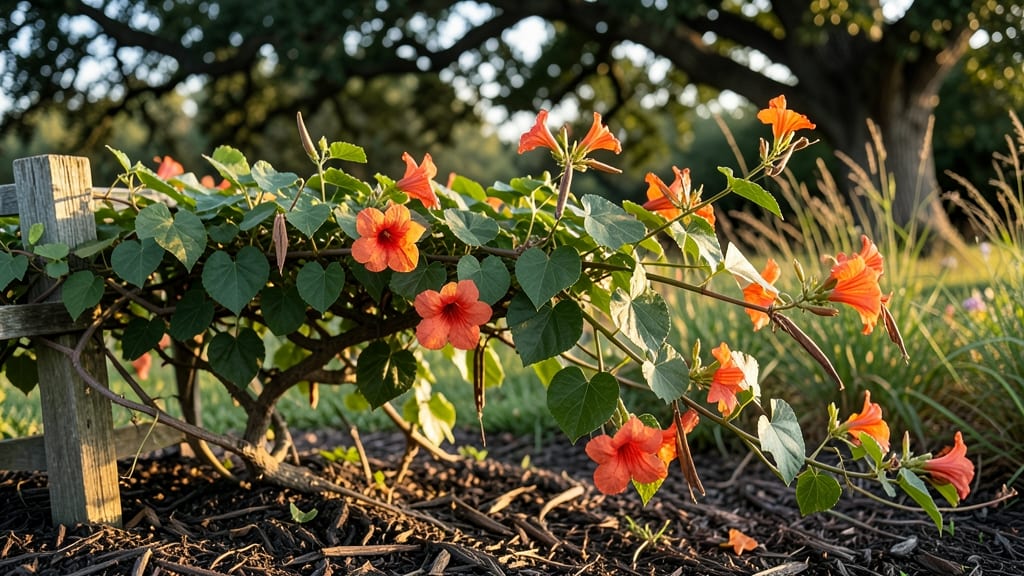
Harvesting trumpet vine seed pods at the right moment means next summer's vibrant blooms start with a single cold-stressed seed. 🌱 The key is knowing when those papery pods turn from green to brown—usually in late fall—and handling them just right to break dormancy.
I’ve learned the hard way that rushing or waiting too long ruins germination rates, but this method works even for beginners. You’ll need a sharp knife, a paper bag for drying, and a freezer for the cold treatment—the real secret to reliable sprouts.
The process mimics nature’s winter chill, tricking seeds into thinking spring has arrived. Most gardeners skip this step and wonder why their seeds never grow, but it’s what turns flaky pods into sturdy seedlings.
By spring, you’ll watch tiny trumpet vines push through the soil with bold, deep-green leaves—a sign the cold treatment paid off. The first blooms arrive even earlier than store-bought plants, and the vines climb faster, too.
Just be patient: germination takes 4-6 weeks, but the payoff is worth it. This method works for any trumpet vine variety, whether you’re growing for hummingbirds, shade, or just that dramatic summer show. Here’s how to do it without the guesswork—no more dead seeds or wasted time.
📚 In This Guide
- What you need
- Instructions
- Tips and common mistakes
- Wrapping up and next steps
What you need
- ● Trumpet vine seed pods: 10–20 fresh, mature pods (harvested in late fall or early winter). Pro tip: Ensure pods are dry but not brittle—snap them open to check for plump seeds inside!
- ○ Ziploc freezer bags: 2–4 quart-sized bags (for cold stratification). Optional: Use damp paper towels inside to maintain moisture.
- ● Potting soil: 1–2 gallons of well-draining, sterile mix (e.g., 60% peat moss, 30% perlite, 10% compost).
- ● Seed trays or small pots: 6–12 (4–6 inches deep) with drainage holes. Budget tip: Repurpose yogurt cups with holes poked in the bottom!
- ● Spray bottle: For gentle watering (avoid over-saturating soil).
- ● Plastic wrap or clear lid: To create a mini greenhouse effect.
- ● Grow lights or sunny windowsill: For 12–16 hours of light daily after germination.
- ● Pruning shears or knife: For carefully opening seed pods (sterilize with rubbing alcohol first!).
- ○ Thermometer (optional but helpful): To monitor cold stratification temps (ideally 35–45°F for 4–6 weeks).
- ● Garden gloves: Protect your hands from prickly pods and soil.
- ● Patience (and a calendar!): Trumpet vines are slow starters—germination can take 4–12 weeks.
- ● Seedling heat mat ($10–$20): Speeds up germination in cooler homes.
- ● Fertilizer (balanced 10-10-10 or fish emulsion): Light dose after true leaves appear.
- ● Label markers: To track seed pod varieties if experimenting with multiple types.
- ● Outdoor hardening tray: For gradually acclimating seedlings to outdoor temps.
Step-by-step instructions for cold-stratifying trumpet vine seed pods
Here’s the foolproof method I’ve used to break trumpet vine dormancy—no more waiting years for germination.
🌱 Step 1: Harvest and Prepare the Seed Pods
Collect mature trumpet vine seed pods when they’ve turned brown and dried on the vine. I like to harvest them in late fall after the first frost, as the cold exposure helps kickstart dormancy. Let them dry completely indoors for 2-3 weeks in a paper bag—this prevents mold and ensures the seeds are ready for stratification.
Once dry, crack open the pods to remove the seeds. Trumpet vine seeds are large and flat, resembling small brown beans. Remove any shriveled or discolored seeds—they won’t germinate. Store the viable seeds in an envelope or small container until you’re ready to stratify them.
❄️ Step 2: Cold-Stratify the Seeds for 60-90 Days
Place the seeds in a ziplock bag with a damp paper towel or moistened peat moss—just enough to keep them damp, not soggy. Seal the bag and place it in a refrigerator (not the freezer) where temperatures stay between 35-45°F. This mimics winter conditions and breaks dormancy.
Check the seeds every 2 weeks—if the paper towel dries out, lightly mist it with water. You’ll know stratification is working when the seeds start to plump up slightly. After 60-90 days, they’ll be ready for planting. Real talk: Skipping this step means waiting years for germination, if it ever happens.
🌿 Step 3: Plant Stratified Seeds in Warmth
Fill 4-inch pots with a well-draining seed-starting mix—trumpet vine hates soggy roots. Plant 2-3 seeds per pot, pressing them ½ inch deep into the soil. Water gently until the soil is moist but not waterlogged. Place the pots in a warm, bright spot (around 70°F), like a sunny windowsill or under a grow light.
Keep the soil consistently moist—never let it dry out completely. Within 2-4 weeks, you’ll see the first true leaves emerge. Here’s the thing—trumpet vine seedlings grow fast, so don’t be surprised if they outgrow their pots quickly. If they do, transplant them into larger containers or directly into the garden after the last frost.
☀️ Step 4: Harden Off and Transplant
Once seedlings have 3-4 sets of true leaves, it’s time to harden them off. Start by placing them outside in a shaded, sheltered spot for 1-2 hours the first day. Gradually increase their outdoor time over 7-10 days, until they can handle full sun and cooler temperatures.
Transplant seedlings into the garden after the last frost date, spacing them 6-8 feet apart—they’ll grow 20-30 feet over time. Trumpet vine loves full sun and well-draining soil, so choose a spot where it can climb a trellis or fence. Water deeply after planting to help the roots establish. Watch for new growth within 2-3 weeks—that’s your sign they’ve taken root!
Tips & tricks for perfect trumpet vine germination
Here's what nobody tells you about getting trumpet vine seeds to sprout reliably—these tricks save time and frustration.
Timing is Everything: Harvest seed pods after the first frost but before they shatter on the vine. That brief cold exposure gives you a head start on dormancy breaking. I've found pods harvested in late November give the best results, as they've already experienced some natural cold treatment. The 2-3 weeks of indoor drying is non-negotiable—this prevents mold and ensures the seeds are ready for stratification.
Moisture Management: When creating your damp paper towel or peat moss mix, aim for "wrung-out sponge" consistency. Too wet and you'll risk mold; too dry and stratification won't work. I like to use a spray bottle to gently mist the seeds every 2 weeks during their 60-90 day fridge stay. The seeds should feel damp but never soggy when you handle them. This careful balance is what tricks the seeds into thinking they've survived winter.
Visual Cues for Success: After about 4-6 weeks in the fridge, look for the seeds to plump up slightly and develop a slight sheen. This is your signal that stratification is working. If you see any fuzzy mold growth, immediately remove those seeds and start fresh with a new damp paper towel. The 60-90 day window is crucial—don't rush it, but don't exceed it either. Patience here pays off with reliable germination.
Equipment Alternative: No ziplock bags? No problem. Use a small glass jar with a tight-fitting lid instead. The key is maintaining that consistent 35-45°F temperature while still allowing you to check on moisture levels. I've successfully used small mason jars with the seeds nestled in damp paper towels—just make sure they're sealed tightly to prevent condensation buildup.
Pro Tips for Trumpet Vine Seed Pods
- Here's what nobody tells you about getting trumpet vine seeds to sprout reliably—these tricks save time and frustration.
- Timing is Everything: Harvest seed pods after the first frost but before they shatter on the vine.
- Moisture Management: When creating your damp paper towel or peat moss mix, aim for "wrung-out sponge" consistency.
Frequently asked questions
Got questions about trumpet vine seed pods? You’re not alone! Here are some of the most common queries—plus straightforward answers to help you navigate germination, growth, and troubleshooting like a pro.
When is the best time to collect trumpet vine seed pods?
Harvest pods in late fall or early winter (after frost) when they’ve turned brown and dried but haven’t split open. This ensures maximum viability. Store them in a cool, dry place until spring—don’t rush germination; cold stratification (4–6 weeks in the fridge) mimics nature’s timing and boosts success rates.
Why do my seed pods keep rotting before they germinate?
Overly wet soil or pods is the #1 culprit! Trumpet vine seeds need moisture but hate soggy conditions. Try these fixes:
- Use a well-draining mix (50% peat moss, 50% perlite).
- Plant pods shallowly (½ inch deep)—they need light to sprout.
- Water gently from below (bottom-watering trays work great).
How long does cold stratification take for trumpet vine seeds?
Most seeds need 4–6 weeks in the fridge (35–40°F) to break dormancy. Place pods in a sealed bag with damp paper towels, then check weekly for sprouting. Pro tip: If you’re impatient, soak pods in warm water for 24 hours before stratification to kickstart the process.
Can I grow trumpet vine from store-bought seeds instead of pods?
Yes, but with lower success rates! Store-bought seeds often lack the natural cold treatment pods get in the wild. To improve odds:
- Stratify them twice as long (8–12 weeks).
- Use a rooting hormone when planting.
- Keep seedlings in bright, indirect light until transplanting.
What should I do if my seedlings get leggy or weak?
Leggy seedlings = not enough light! Trumpet vines crave bright conditions but can scorch in direct sun. Adjust with:
- Move trays to a south-facing window or use grow lights (12–14 hours/day).
- Use smaller pots (2–3 inches) to encourage root growth before transplanting.
- Fertilize lightly with a balanced 10-10-10 mix once true leaves appear.
Wrapping up and next steps
Growing trumpet vine seed pods with cold-stressed germination is your ticket to a vibrant, hardy vine next season!
By following these steps—from collecting pods to stratifying seeds—you’ll unlock reliable growth and stunning blooms. Don’t wait until spring: start your prep now, and watch your garden transform with bold, climbing beauty.
Ready to take the next step? Grab your supplies and dive in—your future trumpet vine is just a few weeks of patience away! 🌱✨