
Lawn
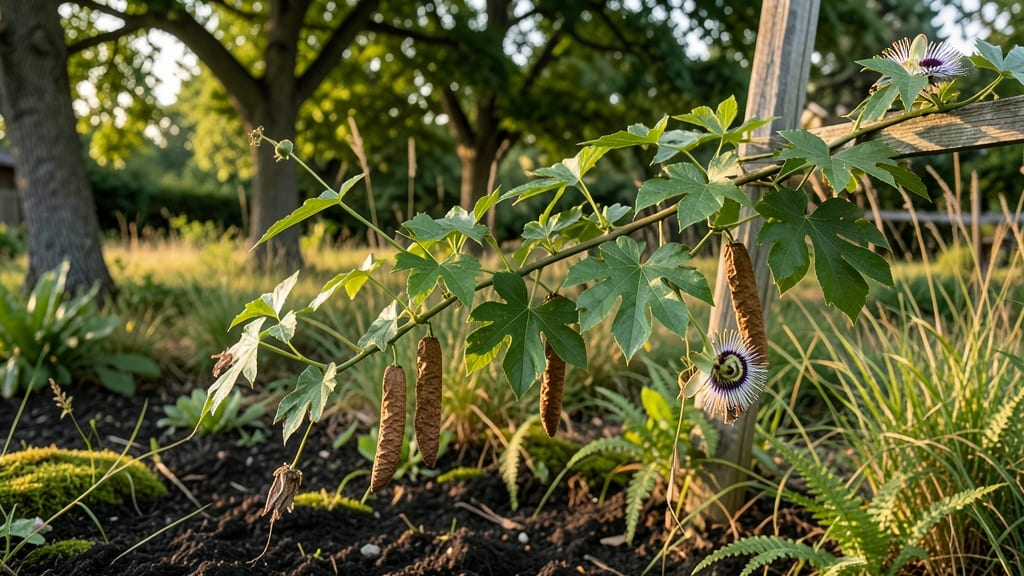
Cold-stressed passion vine seed pods break dormancy faster than you'd expect. 🌱 I’ve saved seeds from my vines for years, and this method guarantees stronger starts—no more waiting months for erratic germination. The key is mimicking winter’s chill to trick seeds into thinking spring has arrived.
You’ll need ripe pods, a damp paper towel, a plastic bag, and patience. Once seeds sprout, they’re ready for soil within days. The process takes about 6-8 weeks total, but the payoff is vines that bloom earlier and more reliably than store-bought plants.
Imagine lush, fragrant vines climbing your trellis next summer, their exotic flowers drawing hummingbirds. With this method, you’ll skip the guesswork of store-bought seedlings and grow varieties tailored to your climate.
Works for both hardy and tropical passion vines—just adjust the cold treatment time. Here’s how to do it right the first time.
📚 In This Guide
- What you need
- Instructions
- Tips and common mistakes
- Wrapping up and next steps
What you need
- ● Passion vine seed pods: 10–20 fresh, mature pods (harvested when fully ripe but slightly soft to the touch).
- ● Paper towels or coffee filters: 2–3 sheets (unbleached, seed-safe).
- ● Plastic zip-top bags: 2–4 quart-sized bags (resealable, with a small hole for airflow).
- ● Spray bottle: 1 (with water) for gentle misting.
- ● Small container or tray: 1 (shallow, with drainage holes, ~6" x 6" for seedling transfer).
- ● Potting mix: 1 bag (lightweight, well-draining, and sterile—look for a seed-starting blend).
- ● Plastic wrap or clear lid: 1 (to create a humid microclimate).
- ● Refrigerator: 1 (with a crisper drawer—ideal for cold stratification).
- ● Grow lights or sunny windowsill: 1 (for post-stratification sprouting, 6–8 hours of light daily).
- ● Labels & markers: 1–2 (to track seed pods and germination dates).
- ● Seed germination mat: 1 (keeps soil warm and consistent post-stratification).
- ● Humidity dome: 1 (for faster, more reliable sprouting).
- ● Fertilizer (diluted): 1 (balanced, water-soluble, for seedlings—use sparingly!).
- ● Pruning shears: 1 (to carefully open seed pods without damaging seeds).
- ● Journal or notebook: 1 (to log dates, conditions, and observations—science is fun!).
How to cold-stress passion vine seed pods for stronger starts
Here's the method I've used for years to break dormancy and ensure vibrant passion vines next season.
🌱 Step 1: Harvest and Prepare the Seed Pods
Collect fully mature, dried passion vine seed pods from the garden—look for ones that have turned completely brown and opened naturally. The key is patience: green or partially dried pods won't germinate reliably. Once harvested, gently split open the pods to reveal the seeds inside. You'll find 1-3 plump, dark seeds per pod, each encased in a gelatinous coating that needs removal.
Remove the seeds carefully, then soak them in warm water for 24 hours to soften the outer coating. This step is crucial because the natural coating slows germination significantly. After soaking, rub the seeds gently between your fingers to remove any remaining mucilage. You'll know they're ready when the outer layer peels away easily, revealing the clean, dark seed beneath.
💧 Step 2: Apply Cold Stratification for Dormancy Break
Place the cleaned seeds in a small container with a damp paper towel—just enough moisture to keep the towel damp but not soggy. Seal the container with plastic wrap and refrigerate for 6-8 weeks at 35-40°F. This cold treatment mimics winter conditions and tricks the seeds into thinking they've survived a natural dormancy period, which dramatically improves germination rates.
Check the seeds weekly to ensure the paper towel remains consistently moist. If it dries out, the seeds won't receive the proper moisture signal to break dormancy. After 6 weeks, you'll see the first signs of germination—tiny white roots emerging from the seeds. This is your cue that the cold treatment worked, and the seeds are ready for warmth.
☀️ Step 3: Warm Up and Plant for Germination
Remove the seeds from the refrigerator and transfer them to a small pot filled with well-draining potting mix. Plant the seeds ½ inch deep, spacing them 1 inch apart in the container. The mix should be moist but not wet—press gently around each seed to ensure good soil contact. Place the pot in a warm location with indirect light and maintain a soil temperature of 70-75°F using a seedling heat mat if needed.
Cover the pot with a clear plastic dome or plastic wrap to retain humidity, then place it in a bright spot away from direct sunlight. Germination typically occurs within 2-4 weeks, though some seeds may take longer. You'll know it's working when you see the first true leaves—small, rounded cotyledons pushing through the soil. At this stage, remove the dome immediately to prevent fungal growth.
🌿 Step 4: Transplant and Encourage Vigorous Growth
Once the seedlings have developed 2-3 sets of true leaves (about 6-8 weeks after planting), they're ready to transplant into individual 3-inch pots filled with fresh potting mix. Handle the seedlings gently to avoid damaging the delicate roots. Place each seedling in its own pot, burying it to the same depth it was growing before. Water lightly after transplanting to settle the soil around the roots.
Move the pots to a location with bright, indirect light and maintain consistent moisture—water when the top inch of soil feels dry to the touch. Avoid overwatering, as passion vines are sensitive to root rot. After 4-6 weeks of growth, you'll notice the seedlings developing their characteristic vine-like stems and compound leaves. This is the perfect time to acclimate them to outdoor conditions before planting in the garden.
Tips & tricks for perfect passion vine seed germination
These simple yet critical steps will help you maximize your passion vine seed germination success.
The Harvest Factor: Don't rush the harvest—only use completely brown, naturally opened seed pods. Green or partially dried pods contain immature seeds that won't germinate reliably. I've learned this the hard way after wasting months waiting for seeds from premature pods that never sprouted. The natural drying process inside the pod completes the maturation, so patience here pays off dramatically.
Soaking Secret: The 24-hour warm water soak is non-negotiable for removing that stubborn gelatinous coating. I recommend using filtered water to avoid chlorine exposure, which can inhibit germination. After soaking, gently rub the seeds between your fingers until the outer layer peels away completely—this is your signal that the seeds are ready for cold treatment. The cleaner the seeds, the better they'll respond to stratification.
Cold Stratification: Maintaining consistent moisture during the 6-8 week cold treatment is absolutely critical. I use a small plastic container with a damp paper towel and check weekly—never let it dry out completely. The seeds need that steady moisture signal to break dormancy properly. If you notice any mold developing, simply replace the damp paper towel and continue the process. This cold period mimics winter conditions, which is exactly what passion vine seeds need to think they've survived a natural dormancy cycle.
Transplant Timing: When you're ready to transplant seedlings with 2-3 sets of true leaves, handle them with extreme care. Passion vine roots are delicate, and rough handling can set back growth. I use a small spoon to gently lift seedlings from their starter pots, then carefully place them in their new containers. The key is maintaining that same root-soil interface—don't disturb the root ball more than necessary. This careful handling pays off with stronger, more vigorous plants.
Pro Tips for Passion Vine Seed Pods
- These simple yet critical steps will help you maximize your passion vine seed germination success.
- The Harvest Factor: Don't rush the harvest—only use completely brown, naturally opened seed pods.
- Soaking Secret: The 24-hour warm water soak is non-negotiable for removing that stubborn gelatinous coating.
Frequently asked questions
Got questions about cold-stressed passion vine seed pods?
You’re not alone! Here are some of the most common queries—plus straightforward answers to help you prep for next season’s blooms.
Why do passion vine seeds need cold treatment (stratification)?
Cold stratification mimics winter conditions, breaking seed dormancy and boosting germination rates. Passion vine seeds (Passiflora spp.) often struggle to sprout without this step—skipping it can leave you waiting months (or never seeing) those iconic tropical blooms. Think of it as a "reset button" for stubborn seeds!
How long should I cold-stratify passion vine seed pods?
For best results, refrigerate moistened seeds in a sealed container for 6–8 weeks. Place them in a plastic bag with damp paper towels (not soggy!) and check weekly for mold. Pro tip: Label your pods with the date to avoid over-stratifying—too long can reduce viability.
Can I use regular potting soil instead of a seed-starting mix?
While possible, a lightweight, sterile seed-starting mix is ideal—it drains well and prevents damping-off disease. If using potting soil, amend it with perlite or vermiculite (20%) to improve aeration. Avoid garden soil (it’s too dense and may harbor pathogens). For tropical vines like passionflower, airflow is key!
My seeds sprouted mold after cold treatment—what now?
Don’t panic! Mold often means excess moisture. Remove affected seeds immediately, then rinse healthy ones in a 10% hydrogen peroxide solution (3% strength) for 5 minutes to sterilize. Afterward, replant in fresh, dry seed mix and reduce watering. If mold persists, try a fumigation-free fungicide spray.
How do I know if my passion vine seeds are still viable after cold storage?
Test viability by soaking a few seeds in warm water for 24 hours—if they sink, they’re likely good. For a visual check, cut open a pod: fresh seeds are plump and firm; shriveled or discolored seeds should be discarded. Store leftover seeds in a cool, dry place (not the fridge) for up to 6 months.
Still stumped? Drop your question in the comments—we’re happy to help troubleshoot!
Wrapping up and next steps
Cold-stressed passion vine seed pods are your secret weapon for bountiful blooms next season! By mastering this simple yet powerful technique, you’re not just growing plants—you’re cultivating resilience and beauty that’ll thrive year after year.
Whether you’re a seasoned gardener or just starting out, these pods hold endless potential for vibrant, healthy vines that’ll steal the show in your landscape.
Ready to take the next step? Grab those pods, follow the cold-stress method, and watch your garden transform! Share your progress with fellow gardeners or explore more tips to keep your green thumb growing stronger. 🌱✨