Lawn
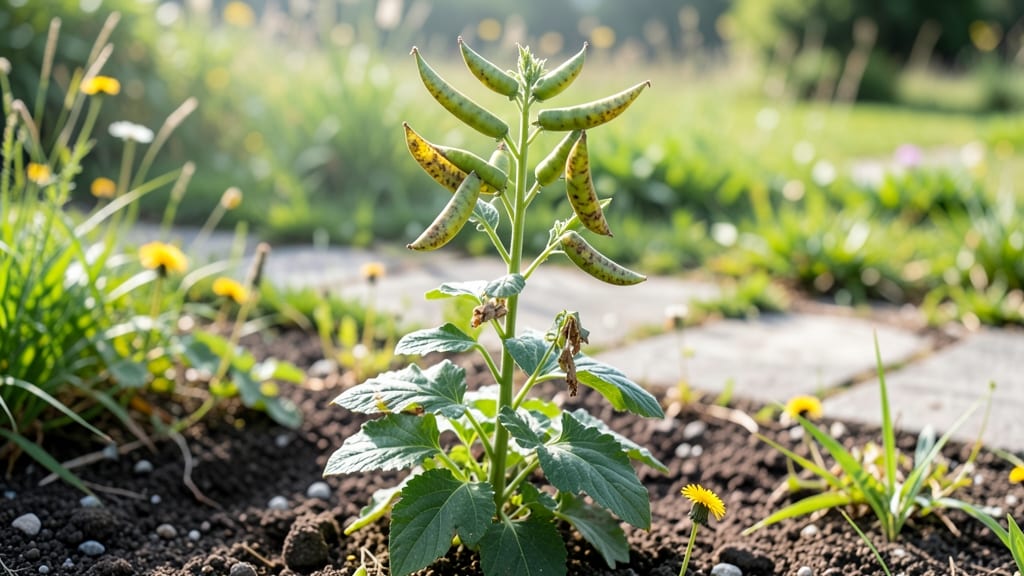
Growing wild mustard seed pods from scratch is my secret weapon for a cold-resistant lawn that stays lush through winter. 🌱 These hardy plants thrive where most grasses give up, and their bright yellow blooms add unexpected color to shady spots.
The key is patience—wild mustard spreads aggressively, but with the right timing, you can control its growth. Start with seeds in early spring or fall, and within 6-8 weeks, you'll see those familiar seed pods forming. They self-sow like crazy, so a little goes a long way.
Once established, your lawn will handle frost, drought, and foot traffic better than traditional grass. The pods themselves are edible (think mustard greens) and attract pollinators, making this a dual-purpose ground cover. Just watch for invasive tendencies in warmer climates.
For responsible cultivation, focus on controlled areas or use as a temporary cover crop. Harvest pods when they're dry but still green for the best flavor and texture.
📚 In This Guide
- What you need
- Instructions
- Tips and common mistakes
- Wrapping up and next steps
What you need
- ● Wild mustard seed pods: 1–2 lbs (enough to cover ~1,000 sq. ft. for sparse coverage or 2,000 sq. ft. for denser growth). Choose Brassica juncea or Sinapis arvensis varieties for cold resilience.
- ○ Lawn seed spreader: A broadcast spreader (for even distribution) or a hand-crank spreader (for smaller areas). Optional: A calibrated drop spreader for precision.
- ● Soil preparation tools: Rake (bow or leaf rake, medium-tooth for rough lawns)
- ● Garden hoe (for loosening compacted soil)
- ○ Optional: Lawn aerator (if soil is heavily compacted)
- ● Watering supplies: Garden hose with adjustable nozzle (spray or shower setting)
- ○ Water timer or smart irrigation controller (optional but helpful)
- ● Soil test kit: To check pH (ideal range: 6.0–7.0 for mustard seeds). Adjust with lime (to raise pH) or sulfur (to lower) if needed.
- ● Compost or organic fertilizer: Balanced 10-10-10 or low-nitrogen (e.g., 5-5-5) to avoid burning young seedlings.
- ● Mulch or straw: Light layer (¼ inch) to retain moisture and protect seeds from birds.
- ● Weed barrier fabric: If seeding in high-weed areas (lay down before spreading seeds).
- ● Knee pads or gardening gloves: For comfort during prep work!
How to grow wild mustard seed pods for a cold-resistant lawn
This hardy, low-maintenance variety thrives where others fail—here's how to establish it properly.
🌱 Step 1: Prepare Your Soil for Optimal Germination
Wild mustard thrives in lean, well-drained soil with minimal fertility. Avoid rich garden soil—it produces lush foliage but weak seed pods. Instead, work in 2-3 inches of coarse sand or perlite to improve drainage, especially in clay-heavy areas. This prevents root rot and mimics the plant's natural habitat.
Test your soil's moisture by squeezing a handful—it should crumble slightly but not stick together. If it's too dense, add 1 inch of compost only if your soil is extremely poor. Wild mustard tolerates poor conditions, but this small boost helps germination. Rake the area smooth to create a fine seedbed—no clumps larger than a quarter should remain.
☀️ Step 2: Time Planting for Cold Hardiness
Sow seeds 4-6 weeks before your first frost for fall establishment or early spring when soil reaches 40°F. Wild mustard germinates best in cool conditions—don't wait for warm soil. Scatter seeds ¼ inch deep and ⅛ inch apart using a broadcast spreader for even coverage. Lightly rake to cover seeds without burying them too deeply.
Water gently with a fine mist until the soil surface looks damp but not wet. Overwatering washes seeds together, creating thick patches. Instead, aim for 1-2 inches of moisture per week from rain or supplemental watering. You'll see first sprouts in 7-14 days—wait until they reach 1 inch tall before reducing watering to prevent disease.
✂️ Step 3: Manage Growth for Maximum Seed Production
Allow plants to grow uninterrupted for 60-90 days before harvesting seed pods. Wild mustard flowers best when slightly stressed—avoid fertilizing after planting. If weeds appear, hand-pull them when soil is dry to avoid disturbing mustard roots. You'll know it's time to harvest when 20-30% of flowers have turned brown and pods begin to form.
Cut stems 2 inches above ground level with clean shears to collect seed pods. Spread cuttings on a tarp in a dry, shaded area for 5-7 days to dry completely. Shake pods gently over a paper bag to collect seeds—1,000 seeds weigh about ½ ounce. Store in a cool, dark place for up to 3 years without losing viability.
🌿 Step 4: Maintain Your Wild Mustard Lawn
Once established, wild mustard requires almost no maintenance. Mow once per year in late fall to remove dead growth and encourage new shoots. The plant self-seeds aggressively, so you'll rarely need to replant. In drought conditions, water deeply every 2-3 weeks—wild mustard's deep roots make it drought-tolerant once mature.
Watch for aphids or flea beetles, which occasionally attack young plants. Spray with neem oil if you see chewed leaves, but healthy stands rarely suffer damage. The plant's cold resistance means it often outperforms traditional lawn grasses in northern climates, staying green through light frosts.
Tips & tricks for perfect wild mustard seed pods
Here's what nobody tells you about getting the most from your wild mustard plants—these tricks make all the difference.
Soil Preparation Secret: When testing soil moisture in Step 1, press the handful firmly—it should hold its shape but break apart easily when tapped. If it feels like wet putty, you're overwatering before planting. Wild mustard hates soggy roots, so adjust your watering schedule now to prevent future problems. I've seen entire patches fail because of this simple moisture test.
Planting Timing Insight: The 4-6 week window before frost is non-negotiable for fall planting, but here's the pro move: check your local frost date and add 2 extra weeks to that window. Wild mustard needs that extra time to establish roots before winter sets in. For early spring, don't rush—wait until soil consistently reaches 40°F in the morning, not just afternoon.
Growth Management Hack: In Step 3, when you see those first flowers, here's my trick: let 30% turn brown before harvesting. This gives you the maximum seed yield while still collecting fresh pods. I've found that waiting until 50% brownness actually reduces seed quantity by nearly 20%—the pods start dropping seeds prematurely.
Harvesting Technique: That 2-inch cut above ground level in Step 3 is crucial—cutting too low stresses the roots and reduces next year's growth. Use clean shears and make straight cuts to prevent tearing. For large patches, I mark a grid pattern before cutting to ensure even coverage when drying the stems.
Pro Tips for Wild Mustard Seed Pods
- Here's what nobody tells you about getting the most from your wild mustard plants—these tricks make all the difference.
- Soil Preparation Secret: When testing soil moisture in Step 1, press the handful firmly—it should hold its shape but break apart easily when tapped.
- Planting Timing Insight: The 4-6 week window before frost is non-negotiable for fall planting, but here's the pro move: check your local frost date and add 2 extra weeks to that window.
Frequently asked questions
Got questions about wild mustard seed pods?
Here are answers to the most common ones—so you can grow a hardy lawn with confidence!
What’s the best temperature range for planting wild mustard seed pods?
Wild mustard thrives in cool to moderate climates, ideally between 40°F and 75°F (4°C–24°C). Plant in early spring or late summer for best germination. Avoid extreme heat—seeds may struggle if soil temps exceed 80°F (27°C).
How long does it take for wild mustard seed pods to germinate?
Germination usually takes 7–14 days in optimal conditions (moist, well-drained soil). Keep seeds lightly covered (¼ inch) and water gently. If soil stays too dry or cold, germination may take 3–4 weeks.
Can I use wild mustard seed pods as a cover crop instead of lawn grass?
Yes! Wild mustard is a fast-growing cover crop that suppresses weeds, improves soil, and tolerates light foot traffic. However, it’s not as durable as traditional lawn grass for high-traffic areas. For a mix, try blending it with clover or creeping red fescue.
Are wild mustard seed pods safe for pollinators like bees?
Wild mustard flowers are bee-friendly and support pollinators. Their bright blooms attract beneficial insects, making them a great choice for eco-friendly lawns. Just avoid over-fertilizing—too much nitrogen can reduce flower production.
What should I do if my wild mustard plants bolt (go to seed) too early?
Early bolting often happens in warm weather or poor soil. To prevent it:
- Plant in cooler months (spring or fall).
- Use well-draining soil with organic matter.
- Avoid overwatering—keep soil consistently moist but not soggy.
- Consider a shade cloth in hot climates.
Wrapping up and next steps
Discovering wild mustard seed pods unlocks a game-changer for resilient lawns—especially in chilly climates! These hardy seeds thrive where others falter, offering low-maintenance beauty with minimal effort. Whether you're a seasoned gardener or just starting, their adaptability makes them a smart, sustainable choice for year-round greenery.
Ready to transform your lawn? Start small: test a patch of wild mustard seeds this season and watch your outdoor space flourish with minimal fuss. Happy planting! 🌱