Propagation
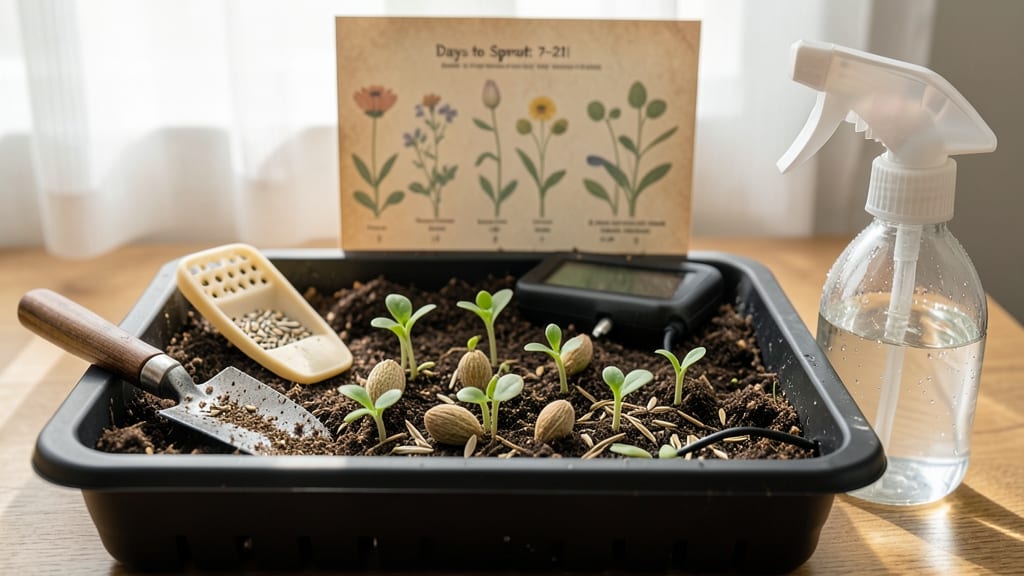
Wildflower seed germination time needs patience—most take 4 to 8 weeks to sprout, but cold stratification cuts that time in half. 🌱 I’ve watched wildflower meadows transform from bare soil to colorful blooms by understanding this secret trick: mimicking winter’s chill period before planting.
The key is moisture and temperature. Wildflower seeds often need 60 days of cold, damp conditions to break dormancy—nature’s way of timing germination with spring.
Planting in fall lets winter do the work, while spring planters can use a DIY cold stratification setup (just seeds, damp paper towels, and a fridge).
Once sprouted, wildflowers grow fast—expect 2-4 weeks of rapid leaf development before the first blooms appear. The payoff? A meadow that thrives with minimal care, attracting pollinators and outlasting annuals.
Works for any wildflower mix, from sun-loving black-eyed Susans to shade-tolerant violets. Here’s how to time it right for your climate.
📚 In This Guide
- What you need
- Instructions
- Tips and common mistakes
- Wrapping up and next steps
What you need
- ● Wildflower seeds – Choose native, organic, or untreated seeds (e.g., 1 lb or 500g per project). Avoid pre-treated or hybrid varieties.
- ● Cold stratification setup: Moistened paper towels or peat moss (2–3 inches deep).
- ● Zip-top plastic bags (quart or gallon size, 2–3 bags per seed batch).
- ○ Optional: A seed stratification tray or refrigerator with a crisper drawer (34–40°F / 1–4°C).
- ● Planting containers: Seed trays (with drainage holes) or biodegradable pots (2–3 inches deep).
- ● Potting mix – Lightweight, seed-starting blend (avoid garden soil).
- ● Watering tools: Spray bottle (for gentle moisture).
- ● Watering can with a fine rose (for containers).
- ● Grow lights or sunny windowsill (for post-stratification warmth).
- ● Humidity dome or plastic wrap (to retain moisture during germination).
- ● Seed germination mat (for consistent warmth, ~70–75°F / 21–24°C).
- ● Labeling tags + permanent marker (track seed types and dates!).
- ● Outdoor hardening tray (to acclimate seedlings before transplanting).
How to speed up wildflower seed germination with cold stratification
Here's the method I've used for years to break dormancy and get wildflowers sprouting reliably.
🌱 Step 1: Prepare Seeds for Stratification
Wildflower seeds often need a cold period to mimic natural winter conditions before they'll germinate. Start by placing your seeds in a resealable plastic bag with a damp paper towel—just enough moisture to feel damp but not dripping. Seal the bag and label it with the seed type and date.
Here's the thing—some seeds need 4-6 weeks of cold treatment, while others only require 2-4 weeks. Check the seed packet for specific instructions, but if it's not listed, 6 weeks is a safe default. Store the bag in your refrigerator's crisping drawer where temperatures stay consistently around 35-40°F.
❄️ Step 2: Monitor Moisture and Check for Pre-Sprouting
Every 7-10 days, open the bag and check that the paper towel remains moist but not soggy. If it's drying out, add a few drops of water and reseal. You'll see condensation on the bag's interior—that's normal and indicates proper moisture levels.
Watch for tiny seeds beginning to swell or crack—their outer shells are breaking down. This is your signal that stratification is working. Some seeds may even sprout during this cold phase, which is perfect. If you see sprouts, transfer them immediately to a seed-starting tray with moist potting mix.
🌿 Step 3: Transition to Warm Germination Conditions
After your chosen stratification period, remove the seeds from the refrigerator and place them in a warm, bright location. I use a seedling heat mat set to 70-75°F under a grow light for consistent results. Keep the paper towel or transfer sprouted seeds to a shallow tray with 1/4 inch of moist potting mix.
Germination typically occurs within 7-14 days after removing from cold. You'll notice tiny green shoots emerging first—this is the seed's first true leaves pushing through. Keep the mix moist but never soggy; wildflower seedlings are delicate and prone to damping-off if overwatered.
☀️ Step 4: Provide Optimal Light and Airflow
Once seedlings appear, move them to a sunny windowsill or under grow lights for 12-14 hours daily. Wildflowers need bright light to prevent leggy growth. Place a small fan on low setting nearby to create gentle airflow—this strengthens stems and prevents fungal issues.
Thin seedlings to 1 inch apart once they develop their first true leaves. Use small scissors to snip unwanted seedlings at soil level rather than pulling, which can disturb roots. This ensures your strongest plants have room to grow without competition.
⏰ Step 5: Prepare for Outdoor Transplanting
After 4-6 weeks of growth, seedlings will be ready to harden off. Start by placing them outside in a shaded, sheltered spot for 1-2 hours daily. Gradually increase exposure over 10-14 days until they can handle full sun and outdoor conditions.
Real talk: Some wildflowers establish better when planted directly outdoors after stratification. If your seeds haven't sprouted after 3 weeks of warm conditions, try sowing them directly in prepared garden beds where natural temperature fluctuations may trigger germination.
Tips & tricks for perfect wildflower seed germination
Cold stratification might seem tricky, but these insider tricks will help you achieve reliable, vigorous sprouting every time.
Temperature Precision: The refrigerator's crisping drawer maintains the ideal 35-40°F range for stratification, but if your fridge runs cooler, consider using a seedling heat mat set to 35°F instead. Some wildflower varieties, like lupines, actually benefit from slightly cooler conditions (32-35°F) for optimal results. A digital thermometer placed inside the bag will help you monitor temperatures accurately without opening the bag frequently.
Moisture Management: That damp paper towel should feel like a wrung-out sponge—never dripping, but never completely dry either. I've found that using a paper towel folded into a 2-inch square works best for most wildflower seeds. If condensation forms on the bag's interior, it's a good sign, but if you notice mold or foul odors, open the bag immediately to air it out and replace the paper towel. This prevents fungal growth that can harm your seeds before they even sprout.
Light Exposure During Stratification: While stratification happens in the dark, placing your seed bag on a refrigerator shelf near a window (but not directly in sunlight) can actually help some seeds. The minimal light exposure mimics natural conditions where seeds might receive filtered sunlight during winter months. Just ensure the bag stays sealed to maintain moisture levels. This subtle light exposure can sometimes trigger earlier germination in certain wildflower species.
Seedling Care After Sprouting: Once you see those first tiny green shoots in Step 3, switch to a spray bottle with room-temperature water to keep the potting mix moist. Regular watering from above can disturb delicate seedlings. I've had the best success using a 1:1 water-to-perlite mix for the initial seed-starting tray, which improves drainage while maintaining moisture. This prevents the dreaded damping-off disease that can wipe out your seedlings before they have a chance to thrive.
Pro Tips for Wildflower Seed Germination Time
- Cold stratification might seem tricky, but these insider tricks will help you achieve reliable, vigorous sprouting ev...
- Temperature Precision: The refrigerator's crisping drawer maintains the ideal 35-40°F range for stratification, but i...
- Moisture Management: That damp paper towel should feel like a wrung-out sponge—never dripping, but never completely d...
Frequently asked questions
Got questions about wildflower seed germination?
You’re not alone! Here are answers to the most common concerns—so you can grow a vibrant meadow with confidence.
How long does it take for wildflower seeds to germinate?
Germination time varies widely—from just a few days (like poppies) to several weeks or even months (e.g., prairie grasses). Most wildflowers sprout within 2–4 weeks under ideal conditions (proper soil, moisture, and temperature). Cold stratification can speed this up significantly!
Do I really need cold stratification for my wildflower seeds?
Many wildflower seeds require stratification (a cold, moist period) to break dormancy. Native species like coneflowers or black-eyed Susans often need 4–8 weeks in the fridge (or winter outdoors). Check your seed packet—if it’s not labeled "pre-stratified," skip this step at your own risk!
What if my seeds won’t sprout—am I doing something wrong?
Don’t panic! Try these fixes:
- Check moisture: Keep soil consistently damp (not soggy). A spray bottle works well.
- Verify depth: Most wildflower seeds need only ¼ inch of soil coverage (or none at all!).
- Test temperature: Ideal germination temps range from 60–75°F. Use a seedling heat mat if your home runs cool.
- Patience: Some seeds (like lupines) take up to 6 months to emerge.
When is the best time to plant wildflower seeds for fastest germination?
The ideal window is late summer to early fall (August–October), as cooler temps mimic natural stratification. For spring blooms, stratify seeds indoors in winter, then plant in early spring (March–April). Avoid planting in peak summer heat—seeds dry out fast!
Can I use wildflower seeds from my garden last year?
Generally, no—most wildflower seeds lose viability after 1–2 years. Store them in a cool, dry place (like a sealed container in the fridge) if you must save them, but fresh seeds always germinate better. Pro tip: Buy from reputable suppliers for the highest success rate!
What if I miss the stratification window?
No worries! You can still stratify seeds indoors:
- Mix seeds with damp peat moss or paper towels
- Store in a sealed bag in your fridge’s crisper drawer (34–40°F) for 4–8 weeks
- Plant after the last frost date in spring.
Wrapping up and next steps
Growing wildflowers from seed is a rewarding journey, and understanding wildflower seed germination time—especially with cold stratification—can make all the difference! 🌱 Whether you’re patiently waiting for those first sprouts or troubleshooting delays, remember that each seed carries the potential for vibrant blooms.
Now that you’re armed with tips and tricks, take the next step: grab those seeds, set up your stratification station, and watch your garden transform into a colorful sanctuary.
Happy gardening—your future wildflower meadow is just sprouts away! 🌸