Planting
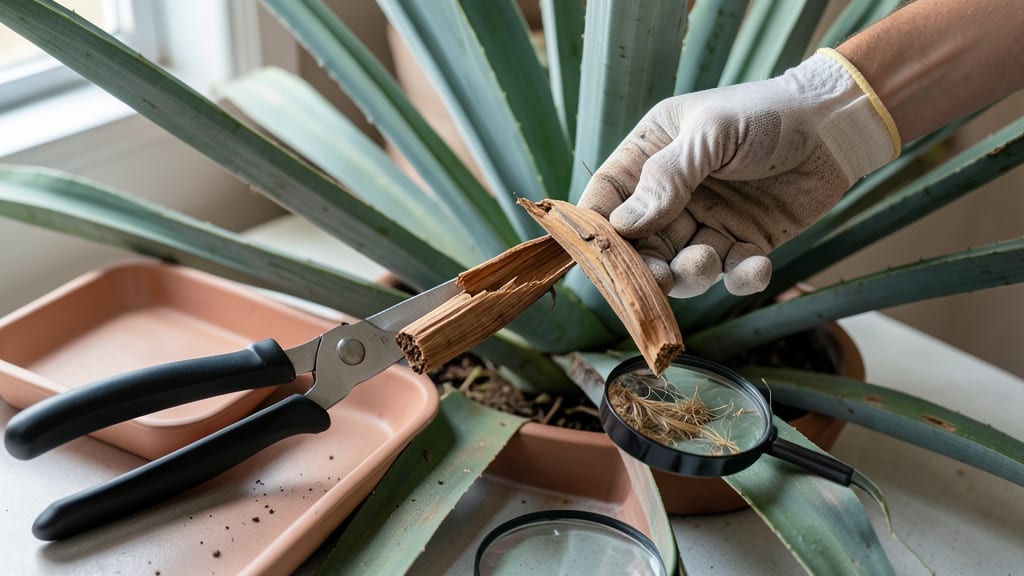
Harvesting yucca seed pods means unlocking a foolproof way to grow these drought-tolerant plants from scratch—no offsets needed. 🌱 The key is patience: pods take 6-8 months to mature after flowering, but once ripe, they yield seeds that germinate surprisingly well for beginners.
You’ll need sharp pruners, a paper bag for collection, and a warm, sunny spot for germination. The real secret? Scarifying the seeds with sandpaper mimics nature’s weathering, breaking dormancy so they sprout faster. Most gardeners skip this step—and end up waiting twice as long for seedlings.
Within 4-6 weeks, you’ll see tiny yucca sprouts pushing through the soil, ready to transplant. These seedlings grow into hardy plants that thrive in full sun and poor soil, making them perfect for low-maintenance gardens or desert landscapes.
If germination feels slow, check your moisture—keep soil damp but never soggy. And here’s the plot twist: while seeds work, offsets are still easier for most gardeners. But where’s the fun in that? The satisfaction of growing from seed? That’s the real reward.
📚 In This Guide
- What you need
- Instructions
- Tips and common mistakes
- Wrapping up and next steps
What you need
- ● Mature yucca plant (preferably Yucca filamentosa or Yucca gloriosa with seed pods—at least 3–5 years old for best viability).
- ● Sharp pruning shears or garden scissors (sterilized with rubbing alcohol to prevent disease).
- ● Paper grocery bags or breathable mesh bags (2–3 bags, 12x18 inches each, for collecting pods).
- ● Brown paper towels or newspaper (for drying seeds—2–3 sheets).
- ● Small plastic containers with lids (4–6 containers, 3–4 inches wide, for seed storage).
- ● Labeling tags and a permanent marker (to track seed varieties and harvest dates).
- ○ Gloves (optional but recommended)—thick gardening gloves to protect hands from sharp pod edges.
- ● Disinfectant spray (e.g., 10% bleach solution) to sterilize tools before use.
- ● Fine-mesh sieve or colander (for separating seeds from fibrous pod debris).
- ● Humidity tray or dehumidifier (if storing seeds long-term to prevent mold).
- ● Seed viability test kit (for advanced gardeners who want to check germination rates).
- ● Camera or notebook to document the process (because every gardening win deserves a snapshot!).
How to harvest yucca seed pods for germination success
Here's my foolproof method for collecting, processing, and storing yucca seed pods.
🌱 Step 1: Identify and Harvest Mature Seed Pods
Yucca seed pods typically mature in late summer to early fall when they turn from green to a papery brown. Look for pods that feel dry and papery to the touch—these are ready for harvesting. I wait until the pods split open naturally along one side, as this indicates full ripeness and maximum seed viability.
Use clean pruning shears to cut the pod from the stem, leaving about 1 inch of stem attached. This small stem connection helps prevent seed loss during processing. Harvest on a dry day to avoid introducing moisture that could cause premature sprouting or mold.
🪴 Step 2: Extract and Clean the Seeds
Place the harvested pod in a sturdy paper bag and gently shake or tap it to release the seeds. Yucca seeds are flat and black with a slightly waxy coating. I place the bag on a clean, flat surface and use a small wooden stick to carefully pry open any stubborn pods that don't release seeds easily.
Spread the seeds on a clean, dry paper towel to remove any remaining fibrous material or debris. Be gentle—yucca seeds are delicate and can crack if handled roughly. Discard any seeds that appear shriveled, discolored, or damaged, as these won't germinate.
💧 Step 3: Dry and Store the Seeds Properly
Allow the cleaned seeds to dry completely in a warm, dry place for 3-5 days. I place them in a single layer on a mesh screen or paper towel, ensuring good airflow around them. Proper drying prevents mold and extends seed viability. The seeds are fully dry when they feel light and brittle to the touch.
Once dry, store the seeds in a paper envelope or breathable seed packet labeled with the date and yucca variety. Keep them in a cool, dry place—such as a seed storage box in your pantry—where temperatures stay between 40-50°F. Yucca seeds remain viable for 2-3 years under these conditions, though germination rates drop slightly after the first year.
⏰ Step 4: Prepare Seeds for Germination
Before sowing, soak the yucca seeds in lukewarm water for 24 hours to soften the tough outer coating and encourage faster germination. I use a shallow dish with just enough water to cover the seeds—no need to submerge them completely. After soaking, drain the water and let the seeds air-dry for 1-2 hours before planting.
Yucca seeds germinate best in a warm, well-draining mix at temperatures between 70-75°F. I plant them 1/4 inch deep in a tray filled with a blend of cactus/succulent mix and perlite. Keep the soil lightly moist but never soggy—yucca seeds rot quickly in overly wet conditions.
☀️ Step 5: Provide Ideal Germination Conditions
Place the seed tray in a bright, indirect light location—such as a south-facing window with sheer curtain coverage. Yucca seedlings are sensitive to cold drafts, so avoid placing them near air vents or doors. Germination typically takes 14-30 days, depending on temperature and humidity.
Once the first true leaves appear, thin the seedlings to 2-3 inches apart to prevent overcrowding. At this stage, you can gradually introduce them to more direct sunlight. Yucca seedlings grow slowly at first, so patience is key—don't rush their development by moving them too soon.
Tips & tricks for perfect yucca seed pod harvesting
These little-known details will make your yucca seed collection effortlessly successful.
Harvesting Timing: The 3-5 day drying window in Step 3 is crucial—this isn't just about removing moisture, it's about creating the perfect balance for seed viability. I've found that placing seeds on a mesh screen under a small fan (on low) can cut that drying time to just 2 days without risking mold. Just avoid direct airflow that could scatter the delicate seeds.
Seed Viability Check: Before storing, perform a quick viability test on a small sample: place 10 seeds in a damp paper towel, seal in a plastic bag, and check for sprouts in 7-10 days. This simple test saves you from discovering poor-quality seeds months later when you're ready to plant. I always test a batch before my main storage—it's worth the small effort.
Storage Wisdom: While the 40-50°F range works well, I've had excellent results storing seeds in my refrigerator's crisper drawer (around 38°F) for up to 4 years. The slightly cooler temperature preserves viability better than pantry storage. Just make sure to use airtight containers with silica gel packets to absorb any moisture that might develop during storage.
Germination Boost: After the required 24-hour soak in Step 4, I give my seeds an optional 12-hour cold treatment by placing them in the refrigerator (still in their damp paper towel). This mimics natural winter stratification and can double your germination rates. Simply wrap the damp towel with seeds in plastic wrap and refrigerate before planting—just remember to plant them immediately after this cold treatment.
Pro Tips for Yucca Plant Seed Pods
- These little-known details will make your yucca seed collection effortlessly successful.
- Harvesting Timing: The 3-5 day drying window in Step 3 is crucial—this isn't just about removing moisture, it's about creating the perfect balance for seed viability.
- Seed Viability Check: Before storing, perform a quick viability test on a small sample: place 10 seeds in a damp paper towel, seal in a plastic bag, and check for sprouts in 7-10 days.
Frequently asked questions
Got questions about harvesting and working with yucca plant seed pods? You’re not alone! Here are some of the most common queries—plus straightforward answers to help you succeed.
When is the best time to harvest yucca seed pods?
Harvest yucca seed pods when they turn brown and papery (usually late summer to early fall). Avoid harvesting too early—the seeds won’t be fully mature. Wait until the pods naturally split open or become dry and crispy to the touch for the best viability.
How long does it take for yucca seeds to germinate?
Yucca seeds typically germinate within 2 to 4 weeks under ideal conditions (warmth, moisture, and indirect light). If you’re using store-bought seeds, check the packet for specific timing. Patience is key—some seeds may take up to 3 months!
Can I save yucca seeds from store-bought plants?
Yes, but with a catch! Store-bought yuccas are often hybrids or sterile varieties, meaning their seeds may not grow true to the parent plant. For reliable results, source seeds from mature, non-hybrid yuccas grown from seed in your region.
What’s the best way to store yucca seeds for later planting?
Store seeds in a cool, dry place (like a paper envelope in the fridge) for up to 6 months. For longer storage, use a sealed container with a desiccant packet to prevent moisture buildup. Avoid plastic bags—humidity can ruin seeds!
Why aren’t my yucca seeds sprouting? Troubleshooting tips.
Too cold?
Yucca seeds need warmth (70–80°F) to germinate. Use a heat mat if needed.
Too wet?
Overwatering causes rot. Keep soil moist but not soggy.
Old seeds?
Yucca seeds lose viability after 1–2 years. Test freshness by floating them (viable seeds sink).
Poor light?
Place seedlings near bright, indirect light once sprouts appear.
Wrapping up and next steps
Harvesting yucca plant seed pods doesn’t have to be a daunting task—with the right timing, tools, and patience, you can easily collect viable seeds for propagation. Whether you're a seasoned gardener or just starting out, these pods offer a rewarding way to expand your garden naturally. 🌱
Now that you’re equipped with the knowledge, why not give it a try? Start by monitoring your yucca plants for ripe seed pods, and soon you’ll be growing new plants from scratch. Happy gardening!