Propagation
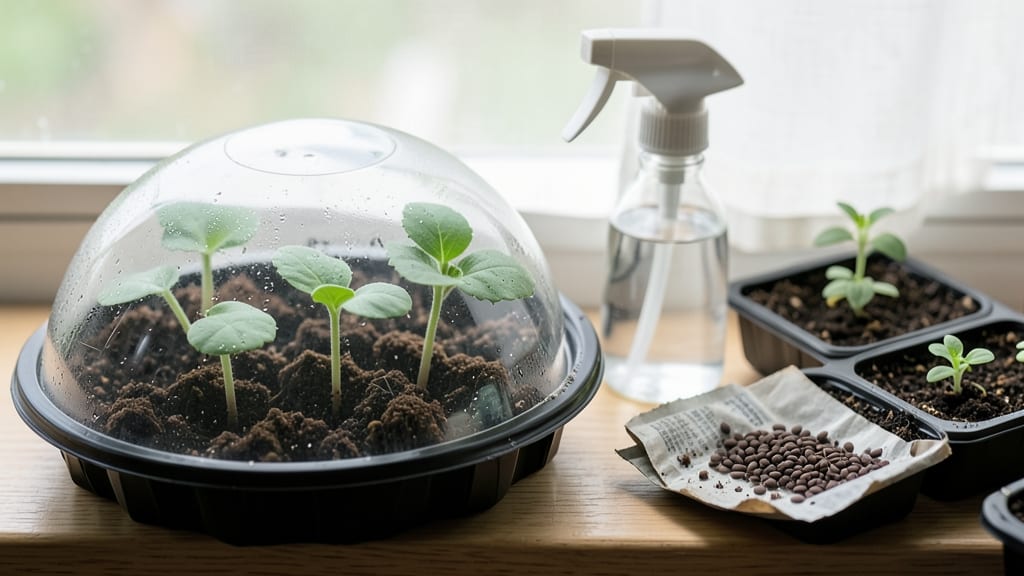
Zinnia seed germination needs warmth and moisture to break their stubborn dormancy—something that trips up even experienced gardeners. 🌱 I’ve learned the hard way that patience alone won’t cut it; these tiny seeds demand the right conditions to wake up. The trick is creating a mini greenhouse effect that mimics their natural tropical environment, where soil stays consistently warm and damp without turning soggy.
Start by filling seed trays with a light, sterile seed-starting mix—nothing fancy, just a blend that drains well but holds moisture. Sprinkle seeds on top (no need to bury them deep) and press them gently into the soil.
Then, cover the tray with plastic wrap or a humidity dome to trap warmth and moisture. Place it in a spot where temperatures stay between 70-75°F—a sunny windowsill or under a grow light works best.
Within 5-10 days, you’ll see those first green shoots pushing through the soil, their tiny leaves unfurling like tiny umbrellas. The key is keeping the soil moist but not waterlogged—overwatering is the fastest way to drown seeds before they even sprout.
Once they’ve popped up, remove the cover and give them bright light to prevent leggy seedlings.
If germination feels slow, don’t panic—zinnias are notoriously finicky. Adjusting the warmth (a heat mat helps) or ensuring the soil stays consistently damp can make all the difference.
With the right setup, you’ll have a tray of vibrant seedlings ready to transplant in just a few weeks, setting you up for a summer of bold, cheery blooms.
📚 In This Guide
- What you need
- Instructions
- Tips and common mistakes
- Wrapping up and next steps
What you need
- ● Zinnia seeds: Fresh, high-quality seeds (check the packet for variety—some prefer warmth more than others!).
- ● Seed-starting containers: Small pots (2–3 inches deep) or
- ● Seed trays with cell inserts (for organized planting).
- ● Seed-starting mix: Lightweight, sterile potting mix (avoid garden soil—it can harbor fungi!). Quantity: Enough to fill containers ¾ full.
- ● Watering can or spray bottle: With a fine mist nozzle to avoid disturbing seeds.
- ● Plastic wrap or humidity dome: To trap moisture and warmth (critical for speedy germination!).
- ○ Heat mat (optional but highly recommended): Set to 75–85°F (24–29°C) for faster sprouting.
- ● Grow lights or sunny windowsill: Zinnias need 12–16 hours of light daily once sprouted.
- ○ Thermometer (optional): To monitor soil temperature (ideal range: 70–80°F / 21–27°C).
- ● Label markers: To track seed varieties and planting dates.
- ● Fertilizer (balanced, water-soluble, 5-10-5 ratio): Dilute to half-strength once seedlings have 2–3 true leaves.
- ● Tweezers: For delicate seed placement (especially tiny seeds!).
- ○ Fungicide (optional): A preventive spray to avoid damping-off disease.
Step-by-step guide to germinating zinnia seeds quickly
Here's how to coax those zinnia seeds to sprout faster using warmth and moisture—no fancy equipment needed.
🌱 Step 1: Soak Seeds Overnight for Faster Germination
Place your zinnia seeds in a small bowl and cover them with lukewarm water for 12 hours—this softens the tough outer shell and jumpstarts the germination process. I like to use a mesh bag or paper towel to keep them contained while soaking. This step is especially helpful if your seeds are older or came from a packet that's been sitting for a while.
After soaking, drain the water completely and let the seeds air-dry for 10-15 minutes on a paper towel. You'll know they're ready when they look slightly wrinkled but not damp. This prevents mold and ensures they don't stick together when planting. Real talk: Skipping the soak won't ruin your seeds, but it'll add 3-5 extra days to your germination timeline.
💧 Step 2: Prepare Moist, Warm Soil for Planting
Fill your seed-starting containers with a light, sterile seed-starting mix and moisten it until it feels like a damp sponge—you shouldn't see water pooling at the bottom, but it should hold together when gently squeezed. Zinnia seeds germinate best in soil that stays consistently 70-80°F, so I place the containers on a seedling heat mat or directly on top of my refrigerator (which stays warm).
Make a small furrow about ¼ inch deep—just enough to cover the seeds lightly. I use the eraser end of a pencil to create neat rows without disturbing the soil too much. Space seeds ½ inch apart in rows that are 1 inch apart from each other. Press them gently into the soil so they make good contact but don't bury them too deep.
☀️ Step 3: Cover and Maintain Humidity for Germination
Create a mini greenhouse by covering the containers with clear plastic wrap or a humidity dome. This traps warmth and moisture, which zinnia seeds crave to break dormancy. Place the covered containers in a spot that stays 75-85°F—a sunny windowsill or under grow lights works well. Check daily for condensation on the plastic; if it's foggy inside, your moisture levels are perfect.
Zinnia seeds typically sprout in 7-14 days, but with this warmth and moisture trick, I've seen them pop up in as few as 5 days. Watch for the first tiny green shoots to emerge—this is your cue to remove the plastic cover immediately. Leaving it on too long can cause fungal issues or weak, leggy seedlings. Once sprouted, move the seedlings to a bright spot with 6+ hours of light daily.
⏰ Step 4: Thin Seedlings and Prepare for Transplanting
When seedlings develop their first true leaves (the second set after the initial cotyledons), it's time to thin them. Use a pair of clean scissors to snip the weakest seedlings at soil level, leaving only the strongest plant in each 2-inch space. This might sound harsh, but thinning prevents overcrowding and gives your zinnias room to grow into robust plants. I always keep a small spray bottle nearby to mist the remaining seedlings after thinning.
After thinning, let the seedlings harden off for 5-7 days before transplanting. Place them in a sheltered outdoor spot for 1-2 hours daily, gradually increasing their time outside. You'll know they're ready for the garden when they've developed 4-5 true leaves and can handle a full day outdoors without wilting. Plant them in well-draining soil with full sun exposure for the best blooms.
Tips & tricks for perfect zinnia germination
Took me years of trial-and-error to master these zinnia germination game-changers—now you can skip the guesswork.
Soak Smarter: That 12-hour soak in lukewarm water is your secret weapon for breaking dormancy, but don't use cold water straight from the tap. I've found that water at 80°F (just warm enough to feel comfortable in a bowl) works best. Too hot and you risk damaging the delicate seed coats, too cold and you're back to square one with slow germination. Pro move: Use a thermometer to check if you're unsure about your water temperature.
Temperature Matters: The 70-85°F range isn't just a suggestion—it's the sweet spot where zinnia seeds wake up fastest. I keep my seed trays on top of my fridge during the day (it stays around 75°F) and move them to a warm spot at night. If your home runs cooler, consider a seedling heat mat ($15 game-changer) or even a warm spot near your water heater. Cold soil is the #1 reason seeds take forever to sprout.
Visual Cues for Success: When checking your seeds after the 10-15 minute drying period, look for the "just-right" wrinkled texture—not dry like a raisin, not damp like a sponge. I test by gently pressing a seed between my fingers: it should feel slightly resistant but still pliable. This texture ensures they'll stick to the soil without clumping together. For the humidity dome, aim for "foggy inside" condensation—like a greenhouse window on a humid morning.
Lighting Hack: Those 6+ hours of light after sprouting don't need to be direct sun—grow lights work perfectly. I use a simple LED bulb on a timer for 12 hours/day to prevent leggy seedlings. Position lights 2-3 inches above seedlings and adjust as they grow. The key is consistent, bright light to prevent stretching toward any light source.
Pro Tips for Zinnia Seed Germination
- Took me years of trial-and-error to master these zinnia germination game-changers—now you can skip the guesswork.
- Soak Smarter: That 12-hour soak in lukewarm water is your secret weapon for breaking dormancy, but don't use cold water straight from the tap.
- Temperature Matters: The 70-85°F range isn't just a suggestion—it's the sweet spot where zinnia seeds wake up fastest.
Frequently asked questions
Got questions about getting your zinnia seeds to sprout like a pro?
Here are answers to the most common ones—so you can avoid pitfalls and grow a dazzling garden!
How long does it take for zinnia seeds to germinate?
Most zinnia seeds sprout within 7–14 days under ideal conditions (warm soil, consistent moisture, and sunlight). If you’re using the warmth-and-moisture trick, you might see sprouts in just 5–7 days! Patience is key—don’t disturb the soil while waiting.
Can I germinate zinnia seeds indoors before the last frost?
Start seeds 4–6 weeks before your last frost date in biodegradable pots or seed trays. Use a heat mat (70–75°F) to speed up germination, then transplant seedlings outdoors once soil temps hit 55°F+. Harden them off for a week first to avoid shock!
Why aren’t my zinnia seeds germinating?
Common culprits include cold soil (zinnia seeds need warmth!), dry conditions (keep soil moist but not soggy), or old seeds (store-bought seeds last 1–2 years max). Try the warmth trick, test soil moisture with your finger, or soak seeds overnight in warm water before replanting.
Do zinnia seeds need light to germinate?
Nope! Zinnia seeds don’t need light to sprout—they’ll germinate just fine in darkness. Once they’ve sprouted (1–2 inches tall), move them to a sunny spot (6+ hours of light daily) to prevent leggy seedlings. A sunny windowsill or grow light works great!
Can I use the warmth trick for other flowers?
Yes! The warmth-and-moisture hack works for sunflowers, marigolds, and cosmos, too. Just adjust the soil temp (most love 70–80°F) and keep moisture consistent. Try it with any heat-loving annuals for faster, stronger starts!
Wrapping up and next steps
Mastering zinnia seed germination is all about patience, warmth, and a little moisture magic! 🌱 With the right setup—like a cozy seedling heat mat or a simple DIY greenhouse—you’ll soon watch those tiny seeds burst into life.
Don’t let setbacks discourage you; even experienced gardeners face hiccups, but persistence pays off.
Now that you’re armed with the know-how, take the next step: grab those seeds and start your own vibrant zinnia patch! Whether you’re a beginner or a seasoned pro, every sprouted seed is a victory worth celebrating. Happy growing! 🌸