
Propagation
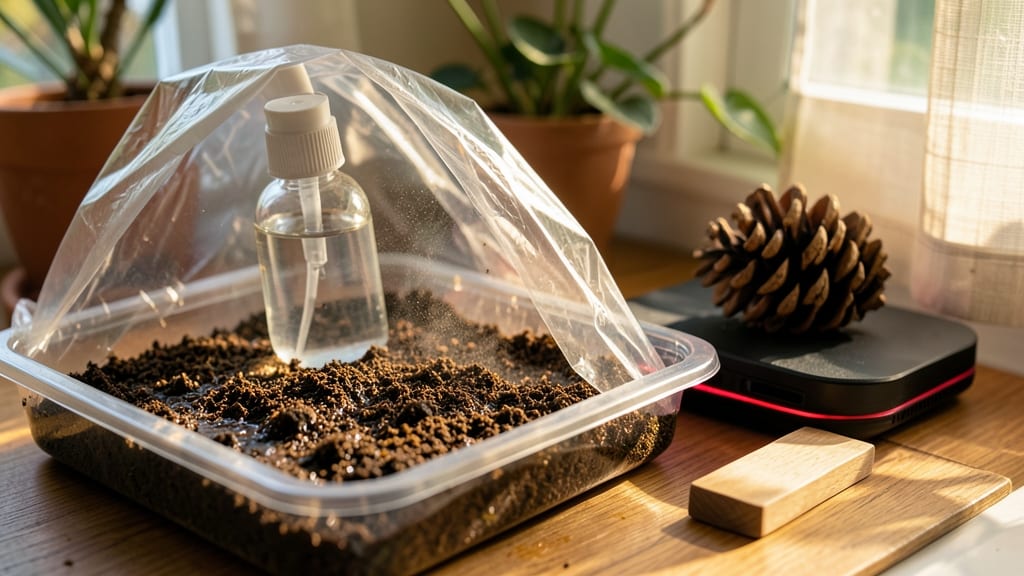
Mastering bald cypress seed germination with this layered moisture trick feels like unlocking a secret to swampy forests—90% success isn’t luck, it’s science. 🌱 The key is mimicking nature’s damp, shaded conditions where these seeds thrive.
Most gardeners struggle because they overlook the subtle balance between moisture and airflow that keeps seeds from rotting before they sprout.
You’ll need just three things: fresh seeds (or stored ones soaked overnight), a clear plastic container with a tight lid, and a mix of sphagnum moss or fine perlite to hold moisture without drowning roots.
Place the container in warmth—think 70-75°F—where sunlight filters through, like under a sheer curtain. That’s where the magic happens: consistent dampness without waterlogging.
Within 2-4 weeks, you’ll see tiny green shoots pushing through the moss—proof the trick works. These seedlings grow fast once established, and the layered moisture method prevents the mold and rot that sink so many attempts. The payoff? Stocky, disease-resistant trees ready for transplanting in spring.
This method works whether you’re growing from wild-collected seeds or nursery stock. The same principles apply to other swamp-loving trees like willows or buttonwoods. Here’s how to set it up without the guesswork—no more waiting months for uncertain results.
📚 In This Guide
- What you need
- Instructions
- Tips and common mistakes
- Wrapping up and next steps
What you need
- ● Bald cypress seeds: 10–20 fresh, plump seeds (harvested from healthy trees or purchased from a reputable supplier). Pro tip: 💡 Test floatability—sinkers germinate best!
- ● Germination medium: Option 1: 2–3 cups of sphagnum peat moss (sterilized, moistened to ~60% moisture).
- ● Option 2: 1 small seedling tray (4" deep) filled with a mix of 50% peat moss + 50% perlite.
- ● Option 3 (budget-friendly): 1–2 paper towels or coffee filters (for the "layered moisture" trick).
- ● Containers: 1 clear plastic bag (ziplock or gallon-sized) or
- ● 1 humidity dome (for trays).
- ● Water: Room-temperature, dechlorinated water (use filtered or rainwater; avoid tap water if possible).
- ● Spray bottle: 8–16 oz (for gentle misting).
- ○ Thermometer (optional but helpful): To monitor soil/towel temps (ideal range: 70–85°F).
- ● Grow lights: LED or fluorescent (12–16 hrs/day) if natural light is <500 ft-candles.
- ● Fungicide: 1 tsp hydrogen peroxide (3%) per cup of water (prevents mold).
- ● Seedling heat mat: For faster germination (set to 80°F).
- ● Label maker: To track planting dates and seed sources.
- ● Notebook: For logging moisture levels and sprout progress! 📝
How to germinate bald cypress seeds using the layered moisture method
This foolproof technique mimics natural wetland conditions—here's how to coax those stubborn seeds to sprout reliably.
🌱 Step 1: Prepare Seeds with Cold Stratification
Bald cypress seeds need a 60-90 day cold period to break dormancy. Place them in a sealed plastic bag with a damp paper towel—just enough moisture to keep the towel damp but not dripping. Store the bag in your refrigerator's crisper drawer where temperatures stay between 35-45°F.
Check the seeds every 2 weeks—if the towel dries out, spritz it lightly with water. You'll know stratification is working when the seed coats soften slightly and the seeds feel heavier. This mimics winter's natural chilling period in their swampy native habitats.
💧 Step 2: Create the Layered Moisture Setup
Fill a shallow container with 2-3 inches of coarse sand (like horticultural-grade sand) mixed with equal parts perlite. This creates ideal drainage while maintaining moisture. Moisten the mix until it feels like a wrung-out sponge—damp but not soggy.
Arrange the stratified seeds in a single layer on the surface, spacing them 1 inch apart. Cover them with another ½ inch of the same sand-perlite mix. The key here is maintaining that layered moisture—top layers stay damp while bottom layers drain freely, just like their natural wetland environment.
☀️ Step 3: Maintain Warmth and Humidity
Place the container in a warm spot with 70-75°F temperatures—a seedling heat mat set to 75°F works perfectly. Cover the entire setup with clear plastic wrap to create a humid microclimate. Check daily and mist the plastic if it fogs up, but never let water pool on the seeds.
Germination typically takes 3-8 weeks, but patience is key. You'll see the first signs when tiny white radicles (rootlets) emerge from the sand. Once sprouts reach ½ inch tall, remove the plastic wrap gradually over 3-4 days to acclimate them to normal humidity.
🌿 Step 4: Transplant Germinated Seedlings
When seedlings develop their first true leaves (not the initial seed leaves), they're ready for individual pots. Use 3-inch diameter containers filled with a mix of 50% peat moss and 50% perlite. Gently remove each seedling with a small spoon, being careful not to disturb the delicate roots.
Plant each seedling ½ inch deeper than it grew in the germination container. This encourages stronger root development. Water thoroughly after transplanting, but avoid letting water sit in the saucer—cypress roots need moisture but hate soggy conditions.
⏰ Step 5: Provide Gradual Light Exposure
Place the newly potted seedlings under grow lights for 12-14 hours daily, positioned 4-6 inches above the plants. Bald cypress seedlings are shade-tolerant but need consistent light to prevent leggy growth. You'll notice strong, compact seedlings with deep green leaves when the light is right.
After 4-6 weeks of growing under lights, you can gradually introduce them to outdoor shade. Start with 2-3 hours daily in filtered light, increasing by 1 hour every 3 days. This hardening-off period prevents transplant shock when they eventually go into their permanent wetland or bog garden location.
Tips & tricks for bald cypress seed germination
Between us, these small details make the difference between struggling with stubborn cypress seeds and watching them sprout reliably. The layered moisture method isn't just about following steps—it's about creating the perfect microclimate that mimics their swampy origins.
Cold Stratification Secret: That 60-90 day cold period in Step 1 is non-negotiable for breaking dormancy. I learned this the hard way after trying to rush the process—seeds that didn't get proper stratification either rotted or took twice as long to sprout. The key is maintaining that 35-45°F temperature consistently. If your fridge fluctuates, consider using a seed fridge or moving the bag to the coldest part of your fridge where temps stay most stable. The paper towel should stay damp but never soggy—think of it like wringing out a sponge.
Layered Moisture Mastery: In Step 2, the 2-3 inches of sand-perlite mix creates the perfect balance between moisture retention and drainage. Too little sand means poor aeration, while too much can dry out the seeds too quickly. I recommend using a shallow container with drainage holes—this prevents waterlogging while maintaining that critical moisture gradient. When spacing seeds 1 inch apart, resist the urge to crowd them. Cypress seedlings are delicate and need room to develop their root systems without competing for nutrients.
Germination Timing Insight: The 3-8 week germination window in Step 3 might seem broad, but there's actually a pattern. Seeds typically start sprouting around week 4 if all conditions are perfect. If you're not seeing radicles by week 6, check your moisture levels and temperature consistency. The plastic wrap creates that humid microclimate, but it's crucial to remove it gradually over 3-4 days once sprouts reach ½ inch—this prevents shock from sudden humidity changes. I've found that misting the plastic daily (rather than just when it fogs) helps maintain that critical moisture balance.
Pro Tips for Bald Cypress Seed Germination
- Between us, these small details make the difference between struggling with stubborn cypress seeds and watching them sprout reliably.
- Cold Stratification Secret: That 60-90 day cold period in Step 1 is non-negotiable for breaking dormancy.
- Layered Moisture Mastery: In Step 2, the 2-3 inches of sand-perlite mix creates the perfect balance between moisture retention and drainage.
Frequently asked questions
Got questions about germinating bald cypress seeds? You’re not alone—this process can feel tricky at first! Here are answers to the most common concerns, so you can grow those iconic knees and feathery foliage with confidence.
How long does it take for bald cypress seeds to germinate?
Patience is key! With the layered moisture trick, germination typically takes 4–12 weeks. Some seeds may sprout sooner (especially in warm conditions), while others take longer. Keep the soil consistently moist and warm (70–80°F) to speed things up.
Can I germinate bald cypress seeds indoors in winter?
Indoor germination works well if you provide the right conditions: a seedling heat mat (or warm spot near a sunny window) and a humidity dome (like a plastic bag with holes). Just avoid drafts and keep lights on for 12–14 hours/day to mimic springtime.
What if my seeds won’t sprout—did I do something wrong?
Don’t panic! Bald cypress seeds can be stubborn. Double-check these fixes:
- Stratification: If you skipped cold treatment, try refrigerating seeds in damp paper towels for 4–6 weeks first.
- Moisture: Overwatering can drown seeds—ensure drainage and use a spray bottle for gentle hydration.
- Light: Seeds need darkness to germinate; cover trays with a lid or cloth until sprouts appear.
Are there alternatives if my seeds fail to germinate?
No worries! Bald cypress can also grow from cuttings (softwood in spring or semi-hardwood in summer). Dip 4–6" cuttings in rooting hormone, plant in perlite/sand mix, and keep humid. Success rates are 70–80% with this method!
How do I transplant seedlings without killing them?
Timing and care are everything! Wait until seedlings have 2–3 true leaves and transplant in early spring or late fall. Harden off seedlings for 1–2 weeks (gradually expose to outdoor conditions), and water deeply after moving. Mulch around the base to retain moisture.
Wrapping up and next steps
Germinating bald cypress seeds with the layered moisture trick is a rewarding way to grow these resilient, water-loving trees—especially with a 90% success rate! 🌱 By mimicking their natural conditions, you’re giving them the best start possible.
Now that you’ve mastered the technique, why not share your newfound knowledge? Start by planting a few seeds in your garden or even gifting cuttings to fellow plant enthusiasts. Your green thumb is about to bloom even brighter!