Lawn
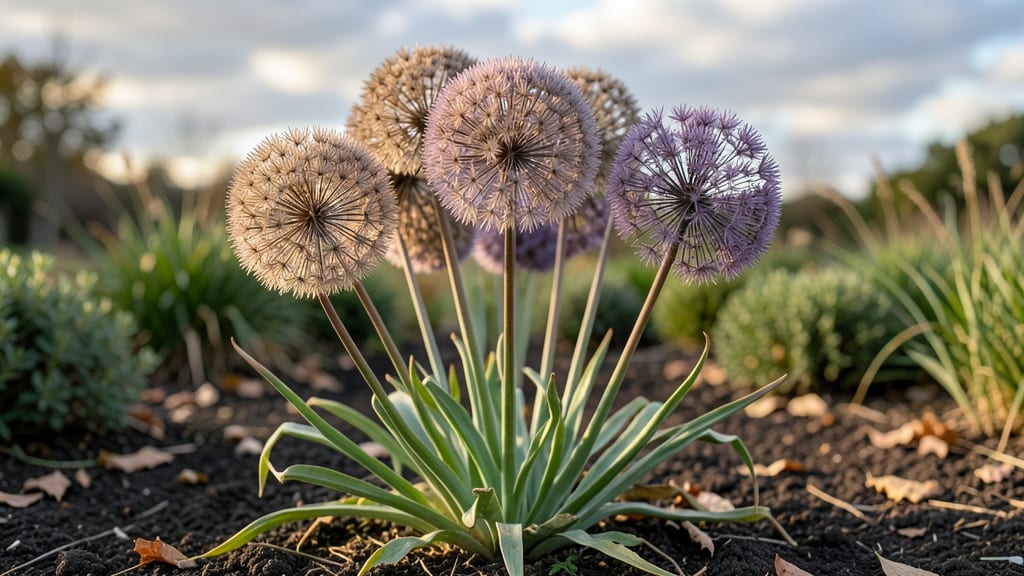
Those papery allium seed heads hold the secret to next year’s lawn—if you harvest them right. 🌱 I’ve learned the hard way that leaving them too late means wasted potential, while cutting them too soon steals the show from your winter garden.
The key is timing: wait until the blooms fade to brown but before they shatter, usually 4-6 weeks after flowering.
Once you’ve got them, drying is simple—hang bundles upside down in a dry, dark spot for 2-3 weeks. The seeds inside will rattle when ready, and you’ll have a stash of free plants for spring.
I’ve grown entire lawn borders from just a handful of saved seeds, and the results are shockingly lush for zero cost.
Here’s the best part: these seed heads aren’t just functional—they’re stunning. Left on the stems, they create dramatic winter interest while feeding pollinators. But if you’re saving seeds, snip them clean and store them in a paper bag until planting.
The trade-off is worth it for that next-level curb appeal.
Pro tip: Mark your calendar for late summer—that’s when alliums start their seed-head journey. And if you’re new to seed saving, start with just one variety to avoid overwhelm. Trust me, your future lawn will thank you.
📚 In This Guide
- What you need
- Instructions
- Tips and common mistakes
- Wrapping up and next steps
What you need
- ● Allium seed heads: Collect 20-50 mature heads (depending on lawn size) from Allium schoenoprasum (chives) or Allium cepa (onion). Ensure they’re fully dried and brown.
- ● Pruning shears or sharp scissors: For cleanly harvesting seed heads.
- ● Paper bags or breathable mesh sacks: 2-3 bags to store seed heads while drying (avoid plastic—it traps moisture!).
- ● Twine or rubber bands: To bundle seed heads for easier handling.
- ● Garden twine or floral wire: For securing seed heads to stakes or directly into the lawn.
- ● Sturdy stakes or bamboo canes: 1-2 stakes per seed head (6–12 inches tall).
- ○ Gloves: Optional but recommended—seed heads can be prickly!
- ● Spray bottle with water: For lightly misting seed heads during cold stress (if needed).
- ● Cold-hardy lawn zone: Ideal for USDA Zones 3–8 (adjust timing for your climate).
- ● Frosty weather: Wait for 3–5 consecutive nights below 32°F (0°C) to trigger stress blooms.
- ● Sunny day: Choose a bright, dry day for installation to avoid soggy soil.
- ● Slow-release fertilizer: Sprinkle lightly around planting areas for next-year’s growth.
- ● Mulch or straw: Protect seed heads from heavy frost if your winters are harsh.
- ● Camera or journal: Track progress with photos for next season’s showstopper lawn!
How to harvest and save allium seed heads for next year
Turn this year’s spent blooms into next season’s lawn highlights with this simple, foolproof method.
🌱 Step 1: Wait for Seed Heads to Fully Mature
Leave the allium seed heads on the plant until they turn a papery brown color—this means the seeds inside are fully mature and ready for harvest. You’ll know they’re ready when you can gently shake a head and hear seeds rattling inside. Harvesting too early results in poor germination rates.
If rain is forecasted, bring the seed heads indoors to dry. A dry, well-ventilated spot like a garage or covered porch works perfectly. This prevents moisture from causing mold or premature seed sprouting before you’re ready to store them.
✂️ Step 2: Cut and Dry the Seed Heads Properly
Use clean, sharp pruners to snip the seed heads off at the stem base. Leave about a 1-inch stem attached—this helps support the head while it dries. Bundle 4-5 heads together with twine and hang them upside down in a dry, shaded area.
Drying takes 2-4 weeks, depending on humidity. You’ll see the seed pods split open naturally when fully dry—this is your cue that the seeds are ready for collection. If you’re in a damp climate, speed up drying by placing the bundles in a 60-70°F spot with a small fan circulating air.
🪴 Step 3: Collect and Store Seeds for Planting
Once the seed pods are dry, gently rub them between your hands or tap them over a clean paper bag to collect the seeds. Discard any empty or shriveled pods—they won’t produce viable plants. Store the seeds in a paper envelope (not plastic, which traps moisture) and label it with the allium variety and harvest date.
Keep the envelopes in a cool, dark place like a seed drawer or pantry. Allium seeds stay viable for 2-3 years when stored properly. Check them annually—discard any that smell musty or show signs of mold.
☀️ Step 4: Cold-Stress Seeds for Better Germination
For the best results, cold-stratify the seeds before planting. Place them in a sealed plastic bag with a damp paper towel and refrigerate for 4-6 weeks. This mimics winter conditions and breaks seed dormancy, ensuring stronger, faster germination.
After cold-stratification, plant the seeds ½ inch deep in well-draining soil. Space them 6-12 inches apart, depending on the allium variety. Water lightly and keep the soil consistently moist until sprouts appear—usually within 2-4 weeks of planting.
Tips & tricks for perfect allium seed head preservation
Here's what nobody tells you about saving allium seeds that'll make all the difference between this year's blooms and next year's garden stars.
Timing Secret: The papery brown color in Step 1 is your golden ticket—it means the seeds are fully mature and ready to harvest. I learned this the hard way after trying to harvest too early and ending up with seeds that barely sprouted. If you're unsure, give them another week. The seeds won't get overripe, but harvesting too soon guarantees poor germination rates.
Drying Strategy: In Step 2, if your climate is particularly humid, don't just rely on the 2-4 week drying time—create airflow with a small fan set to low. I placed my bundles near a fan in my garage at 60-70°F and cut drying time by nearly half. The key is keeping that airflow gentle; too much can scatter seeds before they're ready. Watch for those pods splitting open naturally—that's your cue they're fully dry.
Storage Wisdom: When you're storing seeds in Step 3, here's a pro move: place a small packet of silica gel inside each paper envelope. It absorbs any lingering moisture that could cause mold. I've had seeds last up to 4 years using this trick, though 2-3 years is the standard. Just remember to check annually for musty smells or mold—if you see either, those seeds are no longer viable.
Cold-Stress Hack: For Step 4, if you're short on time but still want to cold-stratify, try this: place your seeds in a sealed bag with a damp paper towel and freeze them for 24 hours, then move them to the fridge for the remaining 3-5 weeks. This speeds up the process while still breaking dormancy effectively. Just make sure to thaw them completely before planting.
Pro Tips for Allium Seed Heads
- Here's what nobody tells you about saving allium seeds that'll make all the difference between this year's blooms and next year's garden stars.
- Timing Secret: The papery brown color in Step 1 is your golden ticket—it means the seeds are fully mature and ready to harvest.
- Drying Strategy: In Step 2, if your climate is particularly humid, don't just rely on the 2-4 week drying time—create airflow with a small fan set to low.
Frequently asked questions
Got questions about allium seed heads and their role in your lawn’s future? Here are some common ones—and their answers—to help you plan like a pro!
Why should I save allium seed heads if I’m not growing them for food?
Allium seed heads (like chives, garlic, or ornamental alliums) are packed with flavor and hardiness. Saving them ensures you’ll have fresh, cold-resistant blooms next year—plus, they’re pollinator magnets! Even if you’re not a gardener, their seeds can be dried and stored for future lawn enhancements or shared with neighbors.
When is the best time to harvest allium seed heads?
Wait until the seed pods turn brown and papery (usually 4–6 weeks after flowering). Harvest on a dry, sunny day—this prevents mold. Cut stems with 2–3 inches attached, then hang them upside down in a well-ventilated spot for 2–3 weeks to dry completely. Pro tip: Use a paper bag to catch falling seeds!
Can I store allium seeds in the fridge or freezer?
Nope! Allium seeds hate moisture—store them in a cool, dry place (like a sealed jar in your pantry) at room temp or below 50°F. If you’re unsure about germination, do a paper towel test: Moisten a towel, place seeds inside, and check for sprouts in 7–14 days. Discard old seeds (over 2 years) for best results.
What if my allium seed heads don’t produce seeds?
No seeds? Check these fixes:
- Pollination issues: Alliums need bees! Plant near bee-friendly flowers (like lavender or marigolds).
- Overcrowding: Thin plants so they get sunlight and air circulation.
- Pests/disease: Fungal spots or aphids can kill blooms. Spray with neem oil if needed.
- Wrong variety: Some ornamental alliums (like Allium giganteum) are sterile. Stick to edible or seed-producing types.
Are there alternatives to allium seed heads for cold-hardy lawn blooms?
Try these low-maintenance, frost-resistant options:
Plant
Why It Works
Catmint (Nepeta)
Drought-tolerant, blooms early, and attracts pollinators.
Russian Sage (Perovskia)
Thrives in poor soil, silvery foliage, and long-lasting flowers.
Ice Plant (Delosperma)
Ground cover with purple/red blooms that survive light frosts.
For seed-saving, borage or calendula are also great choices!
Wrapping up and next steps
Allium seed heads aren’t just charming garden accents—they’re your secret weapon for a hardier, more vibrant lawn next spring. By mastering cold stress and seed collection, you’re setting the stage for a low-maintenance, high-impact landscape that thrives with minimal effort. 🌱
Ready to level up your lawn game? Start by sketching your design this weekend—then gather your tools and dive in! Every seed head you save today could be tomorrow’s blooming star. Your future lawn is waiting!