
Lawn
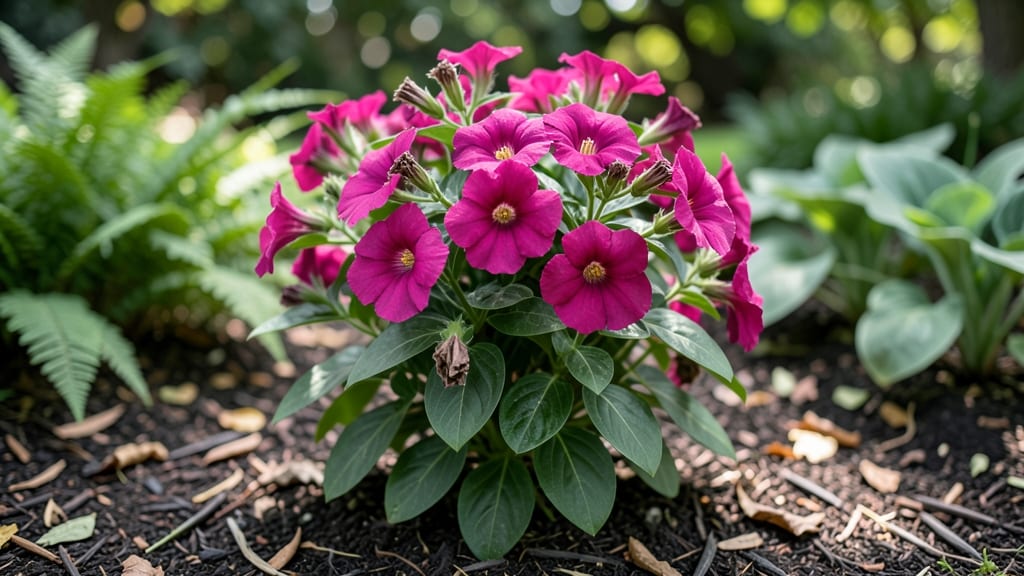
Growing American seed impatiens means nonstop summer color in the shadiest spots of your garden. 🌿 I've filled entire patio containers and woodland garden edges with these plants, and they never fail to deliver—bright blooms from June until frost, with almost no effort.
The secret to their success lies in three simple needs: rich, moist soil, dappled sunlight, and consistent water. Unlike sun-loving annuals, these thrive where nothing else grows, making them the perfect solution for tricky shade spots.
Most gardeners overlook shade plants, but impatiens reward you with weeks of vibrant blooms when given the right conditions. You'll end up with velvety foliage and clusters of flowers in shades of pink, red, and white that attract hummingbirds.
The plants grow quickly, reaching about 12 inches tall, and their trailing habit makes them ideal for hanging baskets or spilling over container edges. Once established, they're drought-tolerant enough to handle summer heat as long as roots stay cool. The biggest mistake?
Planting them in dry soil or full sun—both will cause them to wilt faster than you can say "shade gardening."
📚 In This Guide
- What you need
- Instructions
- Tips and common mistakes
- Wrapping up and next steps
What you need
- ● American Seed Impatiens seeds – Choose New Guinea Impatiens or Busy Lizzie varieties for bold, long-lasting blooms (1–2 seed packets for a small garden, 3–4 for larger areas).
- ● Seed-starting mix or potting soil – Lightweight, well-draining mix (5–10 lbs, depending on tray size). Pro tip: Add perlite or vermiculite for extra aeration!
- ● Seed trays or small pots – 2–4 inch pots or a seed-starting tray with drainage holes (10–20 cells per tray).
- ● Grow lights or sunny windowsill – South-facing window or LED grow lights (12–16 hours/day for seedlings).
- ● Watering can or spray bottle – Gentle watering is key to avoid disturbing seeds!
- ○ Fertilizer (optional but helpful) – Balanced liquid fertilizer (e.g., 10-10-10) or slow-release granules for transplanting.
- ● Garden soil or containers – Well-draining soil amended with compost (for in-ground planting) or 6–12 inch pots with drainage holes.
- ○ Mulch (optional) – Organic mulch (e.g., shredded bark) to retain moisture and suppress weeds.
- ○ Stakes or cages (optional) – For taller varieties (e.g., New Guinea Impatiens) to support stems.
- ● Hand trowel – For transplanting seedlings.
- ● Pruning shears – To deadhead spent blooms and encourage bushier growth.
- ○ Gloves (optional) – Protect your hands from soil and thorns on some varieties.
Step-by-step instructions for growing American seed impatiens
Here's how to coax those vibrant, nonstop blooms from tiny seeds—no green thumb required.
🌱 Step 1: Start Seeds Indoors 8-10 Weeks Before Last Frost
Fill small seed trays with moistened seed-starting mix, pressing it down gently so it's firm but not compacted. Scatter seeds thinly on the surface—don't bury them, as impatiens need light to germinate. Cover with a fine layer of vermiculite or perlite, just enough to barely hide the seeds.
Place the tray in a warm spot (around 70°F) under a humidity dome or plastic wrap. Germination takes 10-14 days, so be patient. Keep the soil consistently moist but never soggy—you'll know it's right when the surface stays damp but doesn't pool water. A spray bottle works best for this delicate stage.
☀️ Step 2: Provide Bright, Indirect Light for Seedlings
Once seedlings emerge, remove the dome immediately to prevent fungal issues. Move them to a bright spot with 12-14 hours of light daily. A south-facing window or grow light works well. You'll notice leggy seedlings if the light is too weak—thin, pale stems reaching toward the window.
To fix leggy growth, move the light closer (within 2-3 inches) or add a grow light. Rotate the tray daily so seedlings grow straight rather than bending toward the light source. Strong seedlings will have dark green leaves and sturdy stems.
🪴 Step 3: Transplant Seedlings After True Leaves Form
When seedlings develop their second set of true leaves (the first pair are cotyledons), it's time to transplant. Gently remove them from the tray, keeping the root ball intact. Plant them 1 inch apart in small pots filled with well-draining potting mix.
Water lightly after transplanting to settle the soil. Avoid wetting the leaves to prevent disease. Keep the pots in a shaded spot for 3-4 days to help them recover from transplant shock. You'll see new growth within a week if they're thriving.
⏰ Step 4: Harden Off and Plant Outdoors After Frost
Two weeks before your last frost date, start hardening off seedlings by placing them outside in a sheltered spot for 1-2 hours daily. Gradually increase their outdoor time over 7-10 days, ending with full sun exposure. This prepares them for the garden and prevents shock.
Plant seedlings 10-12 inches apart in partial shade (they tolerate morning sun but prefer afternoon shade). Dig holes slightly deeper than the pots to encourage strong root growth. Water thoroughly after planting to help the soil settle around the roots.
💧 Step 5: Maintain Consistent Moisture and Fertility
Impatiens love moisture, so water them daily during hot weather, keeping the soil evenly damp. Mulch around the base to retain moisture and suppress weeds. Avoid overhead watering to prevent fungal diseases like powdery mildew.
Feed with a balanced liquid fertilizer every 2-3 weeks during the growing season. You'll know they're happy when they produce nonstop blooms from early summer until frost. Deadhead spent flowers to encourage more blooms and keep the plants looking tidy.
Tips & tricks for growing vibrant impatiens
These simple tricks will help you avoid common pitfalls and grow the most stunning impatiens from seed.
Germination Secrets: The 10-14 day germination window is your first challenge. Place a small fan on low near the seed tray to create gentle airflow—this prevents mold while maintaining humidity. I also recommend labeling each seed tray with the date planted so you don't forget when to expect sprouts.
Lighting Solutions: For those 12-14 hours of daily light, position your seedlings within 2-3 inches of the light source to prevent legginess. I've found that rotating the tray 90 degrees every 24 hours helps seedlings grow straight rather than leaning toward the light. If using a south-facing window, supplement with a grow light during cloudy days.
Transplanting Tip: When transplanting your seedlings after the second set of true leaves appear, gently squeeze the root ball to check for firmness. If it crumbles easily, the seedlings need more time in their current pots. The 1-inch spacing between seedlings gives them room to grow without competing for nutrients.
Outdoor Prep: During the 7-10 day hardening off period, gradually increase outdoor exposure by moving seedlings to slightly sunnier spots each day. I like to place them on a porch or patio where they can acclimate without direct afternoon sun. This slow transition prevents transplant shock when you eventually plant them outdoors.
Pro Tips for American Seed Impatiens
- These simple tricks will help you avoid common pitfalls and grow the most stunning impatiens from seed.
- Germination Secrets: The 10-14 day germination window is your first challenge. Place a small fan on low near the seed...
- Lighting Solutions: For those 12-14 hours of daily light, position your seedlings within 2-3 inches of the light sour...
Frequently asked questions
Got questions about growing American Seed Impatiens?
You’re not alone! Here are answers to the most common ones to help you cultivate vibrant, long-lasting blooms with ease.
When is the best time to plant American Seed Impatiens?
Plant them after the last frost in spring (typically late April to early June, depending on your zone). These tender annuals thrive in warm soil and won’t tolerate cold—so wait until nighttime temps stay above 50°F (10°C). For a head start, sow seeds indoors 6-8 weeks before transplanting.
How often should I water American Seed Impatiens?
Keep the soil consistently moist but not soggy—they love humidity! Water daily in hot, dry weather and adjust for rain. Mulch around the base to retain moisture and prevent soil crusting. Pro tip: Water at the base (not overhead) to avoid fungal issues like powdery mildew.
Can American Seed Impatiens grow in full sun?
Nope! They’re shade-loving stars and thrive in partial to full shade (2–6 hours of morning sun max). Too much direct sun causes leaf scorch and faded blooms. Ideal spots include east-facing gardens, under trees, or near north walls. For extra vibrancy, add a balanced fertilizer every 4–6 weeks.
What pests or diseases should I watch for?
Common issues include:
- Aphids: Tiny green/black bugs on stems or buds. Blast off with water or use neem oil.
- Powdery mildew: White powder on leaves? Improve airflow and spray with baking soda solution (1 tsp baking soda + 1 quart water + a drop of soap).
- Root rot: Overwatering or poor drainage causes yellowing leaves. Ensure pots/drainage holes and avoid soggy soil.
Prevent problems by spacing plants 8–12 inches apart for airflow.
What can I plant with American Seed Impatiens for a fuller look?
Pair them with shade-tolerant companions like:
- Ferns (e.g., Maidenhair Fern)
- Heuchera (cortex)
- Caladiums (elephant ears)
- Sweet woodruff
For height contrast, add Astilbe or Hosta. Avoid aggressive spreaders like mint or creeping Charlie.
How long do American Seed Impatiens bloom?
With proper care, they’ll bloom nonstop from early summer until frost! Deadhead spent blooms weekly to encourage more flowers. For longer vase life, cut stems at an angle and change water every 2 days.
Wrapping up and next steps
American Seed Impatiens are a gardener’s dream—vibrant, low-maintenance blooms that thrive in shade and bring life to your outdoor spaces. With the right soil, sunlight, and care, you’ll enjoy months of colorful flowers that even the busiest gardeners can handle. 🌸
Ready to transform your shady spots into a burst of color? Start by picking your favorite varieties, prep your soil, and plant with confidence. Before you know it, your garden will be buzzing with these cheerful blooms—and you’ll be the proud gardener who made it happen!
Next step: Grab some seeds (or seedlings) and get planting—your summer shade garden awaits! 🌱