
Size
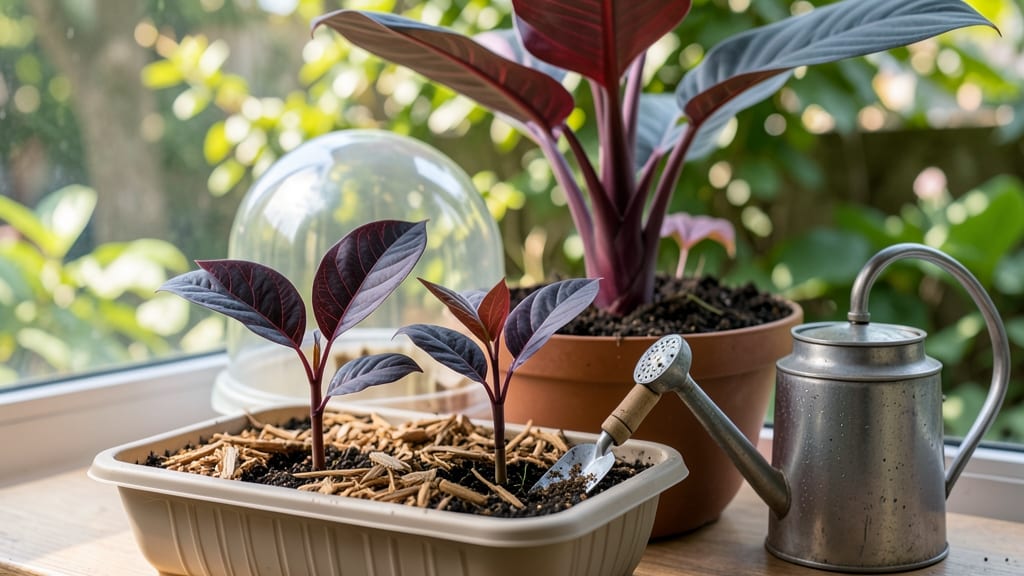
Growing blood banana from seed means twist-free pods and a lush, tropical plant that thrives in your garden. 🌱 I’ve wrestled with these finicky seeds before—most gardeners give up after the first failed attempt, but there’s a trick to breaking through that stubborn germination barrier.
The key starts with the right soil prep and patience, because these seeds don’t rush like annuals.
You’ll need a warm, humid environment to mimic their tropical roots—think 75-85°F soil temperatures and a clear plastic dome or greenhouse setup. Blood banana seeds take 4-12 weeks to sprout, so don’t panic if nothing happens in the first month.
The moment you see that first pale shoot, move it to bright, indirect light and keep the soil consistently moist (but not soggy).
By month 6, you’ll have a sturdy young plant with broad, velvety leaves—proof that persistence paid off. These aren’t fast growers, but with the right care, you’ll eventually get those striking deep red pseudostems and edible (though seedy) fruit.
The real reward? A garden centerpiece that turns heads and tastes like sunshine.
Fair warning: These plants need year-round warmth in most climates, so plan for overwintering indoors or in a heated greenhouse. But if you’re willing to put in the time, blood banana seeds deliver unexpectedly reliable results—once you crack the germination code, the rest is smooth sailing.
📚 In This Guide
- What you need
- Instructions
- Tips and common mistakes
- Wrapping up and next steps
What you need
- ● Blood banana seeds – 3–5 mature, firm seeds (harvested from ripe fruit or purchased from a reputable supplier). Pro tip: Soak seeds in water for 24 hours before planting to speed up germination!
- ● Well-draining potting mix – 5–10 gallons of a blend designed for tropical plants (e.g., 60% peat/coir, 30% perlite, 10% compost). Avoid heavy clay soil.
- ○ Growing containers – 2–3 gallon pots with drainage holes (or a seed tray with individual cells for seedlings). Optional: Use biodegradable pots for easy transplanting.
- ● Humidity dome or plastic wrap – To maintain moisture during germination (80–90% humidity ideal).
- ● Watering can or spray bottle – For gentle, consistent moisture (avoid soggy soil!).
- ● Fertilizer – Balanced liquid fertilizer (e.g., 10-10-10) diluted to half-strength for young plants.
- ● Pruning shears or sharp knife – For trimming seed pods or cleaning tools.
- ● Thermometer/hygrometer – To monitor soil temp (70–85°F) and humidity.
- ● Grow lights or sunny windowsill – 12–14 hours of indirect light daily (south-facing window or LED grow lights work well).
- ○ Mulch (optional) – Straw or coconut coir to retain moisture in outdoor setups.
- ● Patience & space! – Blood bananas need 1–2 years to bear fruit and thrive in USDA Zones 10–12 (or indoors with proper care).
Step-by-step instructions for growing blood banana trees from seed
Here's how to bypass the tricky seed extraction and grow these striking plants reliably.
🌱 Step 1: Extract and Prepare the Seeds
Blood bananas produce seeds encased in fibrous pods that twist shut when ripe. To release them, soak the pod in warm water for 24 hours—this softens the fibers and makes extraction effortless. I like to gently pry open the pod with my fingers after soaking, then rinse the seeds thoroughly to remove any remaining pulp.
Place the clean seeds between two paper towels and dampen them lightly. Fold the towels and store them in a sealed plastic bag at 70-75°F for 2-3 weeks. This stratification mimics tropical rainfall patterns and significantly improves germination rates. Check weekly—you'll see tiny white roots emerge first, signaling it's time to plant.
🪴 Step 2: Plant in Well-Draining Mix
Use a 4-inch diameter pot filled with a blend of 50% peat moss, 30% perlite, and 20% coconut coir. This mix prevents root rot while retaining enough moisture for tropical seeds. Plant each seed ½ inch deep in its own pot—crowding leads to weak, tangled roots that struggle later.
Water gently until the surface feels damp but not soggy. Cover the pot with clear plastic wrap to maintain humidity, then place it in bright, indirect light (south-facing window or grow light). Germination typically takes 4-8 weeks, so patience is key. Watch for the first true leaves—these will be broad and glossy, unlike the initial cotyledons.
☀️ Step 3: Transition to Larger Containers
Once seedlings develop 3-4 true leaves and reach 6 inches tall, transplant them into 1-gallon pots with the same mix. Blood bananas grow aggressively, so give them room—roots will spread quickly. Handle the seedlings by their leaves, never the stems, to avoid damaging the delicate vascular system.
After transplanting, place pots in dappled sunlight for the first week to reduce stress. Gradually increase direct sun exposure over 10 days until they're receiving 6+ hours daily. You'll notice new growth within days—this is your signal the plant is adapting well. Fertilize lightly with a balanced 10-10-10 mix diluted to half strength every 4 weeks.
🌿 Step 4: Maintain Tropical Conditions
Blood bananas thrive in 75-85°F temperatures and 70-80% humidity. In dry climates, mist leaves daily or use a pebble tray beneath the pot. These plants are sensitive to cold drafts—keep them away from windows that drop below 60°F at night. I've found that grouping pots together creates a microclimate that maintains consistent humidity.
Water when the top 2 inches of soil feel dry—stick your finger in to check. Overwatering is the fastest way to kill these plants, so always ensure pots have drainage holes. As the plant matures, you'll see large, velvety leaves with striking red undersides. Prune any yellowing or damaged leaves immediately to redirect energy to new growth.
⏰ Step 5: Plan for Year-Round Harvests
Blood bananas produce fruit on mature plants, typically after 3-5 years of growth. To encourage flowering, reduce water slightly in late winter and provide 12 hours of light daily—supplement with grow lights if natural light is insufficient. Once flowers appear, hand-pollinate by gently brushing stamens with a soft brush to ensure fruit set.
Harvest pods when they begin to yellow and feel slightly soft to the touch. The seeds inside will be viable for another growing cycle. With proper care, a single plant can produce enough pods to propagate 4 new trees annually. This is where the real magic happens—your garden becomes self-sustaining while delivering dramatic foliage year-round.
Tips & tricks for growing blood banana trees from seed
These insider strategies will transform your seed-to-sapling journey from frustrating to foolproof.
Seed Extraction Hack: After the 24-hour warm water soak, place the pod in a plastic bag with a damp paper towel overnight. The fibers soften even more, making seed removal as easy as squeezing the pod gently between your palms. I've found this extra step prevents fiber residue from sticking to seeds—something that can stifle germination.
Stratification Success: Maintain consistent 70-75°F during the 2-3 week stratification by placing your sealed bag in a small cooler with a thermometer. I've had better results than using kitchen counters where temperatures fluctuate wildly. The goal is to mimic tropical rainfall patterns—steady moisture and warmth without heat spikes. Check weekly by gently unfolding the towels to spot those first white roots.
Light Transition Strategy: When moving seedlings from bright indirect light to direct sun, start with just 1-2 hours of morning sun during the 10-day transition. The gradual increase prevents leaf scorch while building their tolerance. I've seen seedlings develop sunburn spots when moved too quickly—those brown patches never recover. Use sheer curtains if your windows get intense afternoon sun.
Fertilization Timing: The 4-week interval between fertilizations is crucial because blood banana seedlings are sensitive to salt buildup. Always dilute that 10-10-10 mix to half strength—stronger concentrations can burn delicate roots. I've noticed new growth accelerates noticeably after the second feeding, signaling the plant is finally establishing its root system properly.
Pro Tips for Blood Banana Seed Grow A Garden
- These insider strategies will transform your seed-to-sapling journey from frustrating to foolproof.
- Seed Extraction Hack: After the 24-hour warm water soak, place the pod in a plastic bag with a damp paper towel overnight.
- Stratification Success: Maintain consistent 70-75°F during the 2-3 week stratification by placing your sealed bag in a small cooler with a thermometer.
Frequently asked questions
Got questions about growing blood bananas from seed?
You’re not alone! Here are answers to the most common queries to help you cultivate twist-free pods with ease.
How long does it take for blood banana seeds to germinate?
Blood banana seeds typically take 30–60 days to germinate, depending on warmth and moisture. Keep soil consistently damp (not soggy) and maintain temperatures around 75–85°F (24–29°C). Patience is key—some seeds may take longer, especially in cooler climates. Use a seedling heat mat if needed!
Can I grow blood bananas indoors?
Yes! Blood bananas thrive indoors with bright, indirect light (a south-facing window or grow lights work best). Use a large pot (10+ gallons) with well-draining soil and ensure humidity stays high (try a humidity tray or misting). Just remember: these plants grow tall—plan for 8+ feet of height and prune regularly.
When will my blood banana plant produce fruit?
Blood bananas are slow to bear fruit—expect flowers (and potential fruit) in 3–5 years if grown from seed. For faster results, opt for a potted plant from a nursery. Patience pays off: mature plants reward you with twist-free, sweet pods year-round in tropical climates!
What should I do if my blood banana seed rots or molds?
Seed rot or mold usually means too much moisture or poor drainage. If you spot fuzzy growth or a foul smell, remove the seed and repot it in fresh, sterile soil. Use a well-draining mix (cactus/succulent blend works) and avoid overwatering. Let the top inch of soil dry between waterings to prevent future issues.
Are there easier alternatives to growing blood bananas from seed?
If seeds seem too slow, try propagating from tissue culture plants (faster growth) or buying a mature blood banana plant from a specialty nursery. Another option: grow red bananas (like Red Dacca), which are easier to propagate and still offer vibrant fruit. Just know—blood bananas are a rewarding challenge for patient gardeners!
Wrapping up and next steps
Growing blood banana seeds into a thriving garden is a rewarding journey—especially when you master the trick of twist-free pods for consistent, year-round harvests! 🌱 With the right soil, patience, and care, you’ll soon enjoy vibrant, nutrient-rich fruit straight from your backyard.
Whether you’re a seasoned gardener or a curious beginner, this guide gives you the tools to succeed.
Ready to take the next step? Start small—plant a few seeds today—and watch your garden transform. Happy growing! 🌿