Lawn
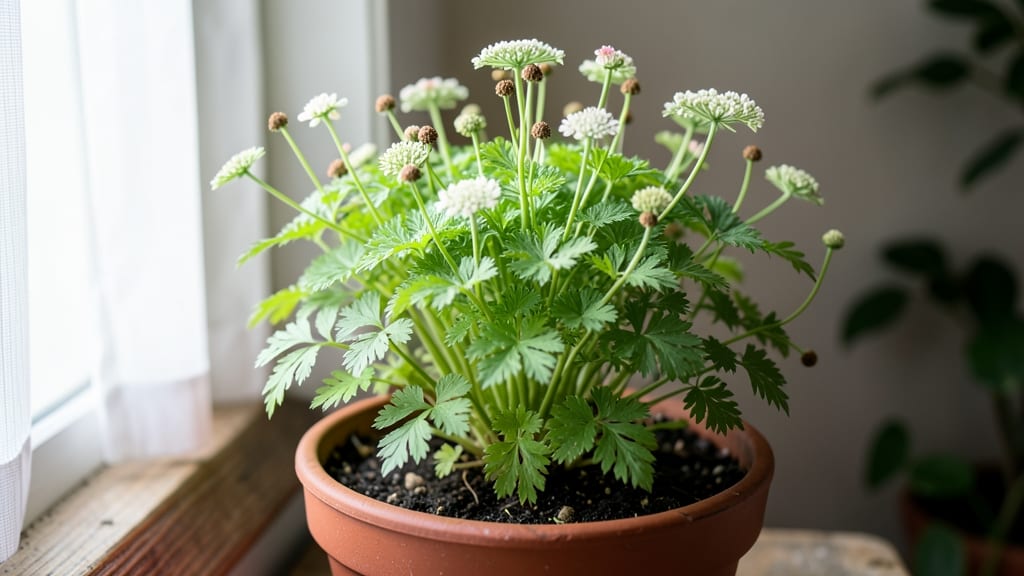
Growing coriander from seed means you’ll never buy cilantro again—unless you want to. 🌱 The secret to avoiding that bitter, twisty bolt is understanding how cold stress triggers flowering, and how to work with it instead of against it.
My first batch bolted by week 3, but now I get fresh leaves for months and seeds for spice blends.
You’ll need well-draining soil (mix in compost), a sunny spot with at least 6 hours of sunlight daily, and patience—coriander grows fast but needs consistent moisture. Plant seeds just ¼ inch deep, 2 inches apart, and keep soil damp until germination (about 7-14 days).
The key is preventing drought stress, which sends plants into early bloom.
Harvest leaves by snipping outer stems when plants are 6-8 inches tall, and watch for white flowers signaling seed readiness. Those seeds dry into fragrant coriander for curries, while the roots make a great addition to soups. The trick is succession planting: sow every 2-3 weeks for a continuous harvest.
Cold snaps actually help—light frosts can delay bolting, giving you more leafy growth. Just avoid heavy mulch in summer heat, and you’ll get both cilantro and seeds without the frustration. Perfect for windowsills, containers, or garden beds with partial shade.
📚 In This Guide
- What you need
- Instructions
- Tips and common mistakes
- Wrapping up and next steps
What you need
- ● Coriander seeds (organic, non-GMO preferred) – 2–3 tbsp (or ~30–45g) for direct sowing.
- ● Cilantro seeds (same as coriander, just a different stage!) – Same quantity as above if planting both.
- ● Well-draining potting mix or garden soil – Light, loamy soil with compost (pH 6.2–6.8) works best.
- ● Containers or garden bed – Containers: 5–6 inch deep pots (with drainage holes) for each plant.
- ● Garden bed: Full sun (6+ hours/day) or partial shade in hot climates.
- ● Watering can or hose with a gentle spray nozzle – Avoid overwatering!
- ○ Fertilizer (optional but helpful) – Balanced organic fertilizer (e.g., 10-10-10) – 1 tbsp per plant at planting.
- ● Compost tea or fish emulsion – For a nutrient boost mid-growth.
- ● Hand trowel or small shovel – For planting seeds at ¼-inch depth.
- ○ Spray bottle (optional) – Keeps seeds moist during germination.
- ○ Garden gloves (optional) – Protects hands from prickly cilantro leaves.
- ● Pruning shears – For harvesting leaves or stems without damaging the plant.
- ○ Row cover or shade cloth (optional) – 30–50% shade if growing in scorching heat.
- ● Patience! – Coriander/cilantro bolts (goes to seed) quickly in heat—plan for cool-season growth (spring/fall) or use shade.
- ● Consistent moisture – Keep soil evenly damp (not soggy) until germination (5–10 days).
- ● Thinning seedlings – Space plants 6–8 inches apart to prevent overcrowding.
Step-by-Step instructions for growing coriander and cilantro without bolting
Here’s how to coax both leafy cilantro and aromatic seeds from the same plant—no bitter surprises.
🌱 Step 1: Start Seeds Indoors for Early Control
Sow seeds 6-8 weeks before your last frost date in 2-3 inch deep biodegradable pots filled with sterile seed-starting mix. Press seeds just below the surface—coriander seeds need light to germinate, so don’t bury them deeply. Moisten the soil with a spray bottle until evenly damp, then cover the tray with plastic wrap to retain warmth and humidity.
Place pots in a warm spot (70-75°F) until germination, which takes 7-14 days. You’ll notice the first true leaves appear as small, rounded cotyledons, followed by the familiar fern-like foliage of cilantro. This early start gives you a head start on the plant’s natural bolting instincts.
💧 Step 2: Transplant and Manage Moisture for Leaf Production
Move seedlings outdoors 2-3 weeks after germination, once nighttime temperatures stay above 50°F. Choose a partially shaded spot—coriander thrives in 4-6 hours of morning sun and wilts in the afternoon heat. Space plants 6-8 inches apart to allow airflow and prevent fungal issues.
Water consistently to keep soil evenly moist but never soggy. Coriander hates drying out—you’ll see leaves yellow and crisp at the edges if moisture fluctuates. Mulch lightly with straw to retain soil dampness and prevent temperature swings that trigger bolting.
☀️ Step 3: Stress the Plant Strategically for Seed Production
When cilantro leaves reach 4-6 inches tall, reduce water slightly and expose plants to cooler temperatures (below 60°F) for 2-3 weeks. This cold stress halts leaf growth and signals the plant to bolt. Watch for flower stalks to emerge—this is your cue to let nature take its course.
Allow flowers to mature into seed pods, which form in 3-4 weeks. Harvest seeds by rubbing dried pods between your palms or cutting entire stems and hanging them upside-down in a paper bag. The seeds will release as they dry completely, giving you both fresh cilantro leaves and aromatic coriander seeds from the same plant.
✂️ Step 4: Harvest Leaves and Seeds at Peak Freshness
For cilantro leaves, harvest outer stems when plants are 6-8 inches tall by snipping just above a leaf pair. This encourages bushier regrowth and prevents bolting. Store harvested leaves in the fridge wrapped in a damp paper towel to maintain freshness for 5-7 days.
For seeds, collect pods when they turn brown and brittle. Toast seeds lightly in a dry pan for 2-3 minutes to enhance flavor before grinding or using whole. Save some seeds for next season—coriander’s germination rate drops after two years, so freshness matters.
Tips & tricks for growing coriander and cilantro without bolting
Here's what nobody tells you about growing both cilantro leaves and coriander seeds from the same plant—these tricks make all the difference.
Timing is Everything: The 6-8 week indoor start before your last frost is non-negotiable for preventing bolting. If you're in a warm climate, consider sowing seeds in late summer for a fall harvest instead of spring—this natural temperature drop mimics the cold stress that triggers bolting.
Light Requirements: Coriander seeds need light to germinate, but too much sun later causes bolting. Start with bright indirect light indoors, then transition seedlings to partial shade outdoors (4-6 hours of morning sun max). I've found that using shade cloth (30-50%) during hot afternoons extends leaf production by weeks.
Moisture Management: The consistent moisture requirement can't be overstated—coriander hates drying out. Use a moisture meter to maintain soil at 30-40% moisture. In Step 2, I recommend watering in the morning so leaves dry quickly, preventing fungal issues that stress plants and trigger bolting.
Stress Control: When you're ready to induce flowering (Step 3), the 2-3 week cold stress period is critical. I've had success using a cold frame at night to drop temperatures below 60°F without risking frost damage. Watch for those flower stalks—they'll emerge within 7-10 days of this stress period beginning.
Pro Tips for Coriander Seed Cilantro
- Here's what nobody tells you about growing both cilantro leaves and coriander seeds from the same plant—these tricks ...
- Timing is Everything: The 6-8 week indoor start before your last frost is non-negotiable for preventing bolting. If y...
- Light Requirements: Coriander seeds need light to germinate, but too much sun later causes bolting. Start with bright...
Frequently asked questions
Got questions about growing coriander seed (cilantro) from scratch?
Here are answers to the most common ones—from troubleshooting bolting to maximizing yield!
Why does my cilantro bolt so quickly, even in cooler weather?
Cilantro bolts due to genetic triggers (not just heat!). Some varieties bolt in 30-45 days—even in 60°F temps. To delay it, plant in partial shade or use slow-bolting varieties like ‘Santo’ or ‘Calypso.’ Harvest leaves aggressively to redirect energy!
How long does it take for coriander seeds to mature after flowering?
Once flowers appear, count 45-60 days for seeds to ripen. Wait until seed pods turn brown and split open—green pods mean unripe seeds. Drying them indoors (on paper towels) speeds up the process if you’re impatient!
Can I grow cilantro indoors without bolting?
Yes! Use a south-facing windowsill or grow lights for 12-14 hours/day. Keep temps below 70°F and harvest leaves every 2-3 weeks to prevent bolting. Dwarf varieties like ‘Ciboulette’ work best in pots.
What’s the best alternative if cilantro keeps bolting in my climate?
Try ‘Chinese parsley’ (Coriandrum sativum var. microcarpum)—it bolts later and tastes milder. Other options: dill (for seeds), parsley (similar flavor), or fennel fronds (anise-like kick).
Why are my cilantro leaves turning yellow or wilted?
Yellow leaves = overwatering or nutrient deficiency (try compost tea). Wilting? Check for underwatering or heat stress. Mulch soil to retain moisture and prune lower leaves for airflow. Pests like aphids can also cause wilting—spray with soapy water if needed!
Still stumped? Drop your specific issue in the comments—we’re happy to help!
Wrapping up and next steps
Growing coriander seed and cilantro is a rewarding journey that brings fresh flavors to your kitchen while embracing nature’s resilience! 🌱 Whether you’re chasing those prized seeds or lush green leaves, understanding their cold-stressed blooming tricks ensures a bountiful harvest.
Start small, experiment with varieties, and don’t hesitate to share your successes—or even your cilantro love/hate stories—with fellow gardeners.
Ready to elevate your garden? Plant your first seeds today and watch your culinary adventures grow—one leaf (or seed!) at a time. 🌿