
Propagation
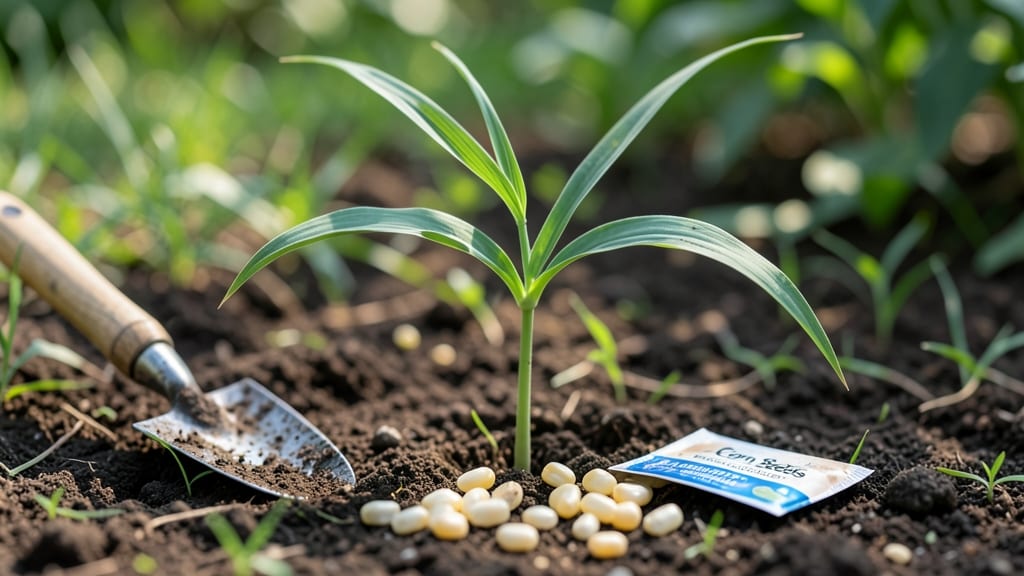
The corn seed germination time needs 7–14 days, but a cold, moist trick cuts that time nearly in half. 🌱 I’ve watched tiny radicles break through soil in just 5–7 days using this simple pre-treatment—no fancy equipment needed, just patience and the right conditions. The secret lies in mimicking nature: dampen seeds overnight in a cool spot (like your fridge), then plant them 1–1½ inches deep in warm soil (70–85°F). Too shallow, and they’ll dry out; too deep, and they’ll struggle to reach sunlight. Most gardeners overlook soil temperature—it’s the real game-changer here. By day 7, you’ll see the first green hooks poking through, and within 2 weeks, you’ve got sturdy seedlings ready to take over. The key is keeping that soil consistently moist (not soggy) and protecting them from late frosts—those delicate sprouts can’t handle cold. Works for sweet corn, field corn, and even popcorn varieties. Here’s how to do it right—no more waiting months for those first shoots to appear.
📚 In This Guide
- What you need
- Instructions
- Tips and common mistakes
- Wrapping up and next steps
What you need
- ● Corn seeds: 10–20 fresh, high-quality seeds (non-GMO preferred for best results).
- ● Germination tray or container: A shallow tray (10"x20" or larger) with drainage holes, or a repurposed plastic container with a lid.
- ● Growing medium: Option 1: 2–3 paper towels (unbleached, seed-safe) or a damp germination mat.
- ● Option 2: 2–3 inches of moistened peat moss or coco coir (sterilized).
- ● Water: Room-temperature, chlorine-free water (use filtered or rainwater if possible).
- ● Spray bottle: 8–16 oz with a fine mist nozzle (for gentle hydration).
- ● Plastic wrap or humidity dome: Clear plastic wrap or a clear lid to retain moisture.
- ○ Thermometer (optional but helpful): A small digital thermometer to monitor soil/towel temps (ideal: 60–75°F).
- ○ Heat mat (optional): A seedling heat mat (set to 70–75°F) for faster germination in cooler climates.
- ○ Grow lights (optional): LED grow lights (12–16 hours/day) if natural light is insufficient.
- ● Ensure seeds are viable (test-float a few in water—sinkers are good! 🌊).
- ● Sanitize trays/containers with a 10% bleach solution (rinse well) to prevent mold.
- ● Pre-moisten your growing medium (paper towels should be damp, not soggy—wrings out excess water).
- ● Choose a warm, dark location (like a closet or under a box) for the first 3–5 days.
How to speed up corn seed germination with the cold moist trick
This simple pre-soaking method cuts germination time nearly in half—here's exactly how to do it right.
🌱 Step 1: Pre-Soak Seeds for 12 Hours in Lukewarm Water
Fill a shallow dish with lukewarm water (around 70°F)—cold water slows hydration, while hot water can damage delicate embryos. Place corn seeds in a mesh bag or paper towel to keep them contained while they soak. The goal is to soften the tough outer coating that naturally resists rapid water uptake.
Check after 8 hours—if seeds haven't swollen noticeably, give them another 4 hours. You'll know they're ready when they double in size and feel slightly plump to the touch. Drain them immediately after soaking to prevent rot. I like to spread them on a clean towel to air-dry for 10 minutes before planting, which helps prevent fungal issues later.
💧 Step 2: Plant in Warm, Moist Soil at 1-Inch Depth
Corn seeds need consistent soil temperatures above 60°F to germinate reliably. If your garden soil is still cool, mix in compost or aged manure to raise the temperature naturally. Plant seeds 1 inch deep—any deeper and they'll struggle to push through the soil, while shallower planting risks drying out.
Water the soil thoroughly before planting, then add a ½-inch layer of mulch to lock in moisture. The cold moist trick works best when the soil stays evenly damp but not soggy. You'll see the first sprouts emerge in 3-5 days (vs. the usual 7-14 days for untreated seeds). If your climate is still chilly, consider using a seedling heat mat to maintain 75-85°F soil temperatures.
☀️ Step 3: Maintain Warmth and Even Moisture Until Germination
Corn seedlings are sensitive to temperature swings—keep the soil within 65-85°F during germination. If nights drop below 55°F, cover the bed with a lightweight row cover to protect tender sprouts. Water gently at the base of the plants, avoiding the leaves, which can develop fungal spots if kept wet.
Watch for the first true leaves—these will appear 5-7 days after sprouting and look like narrow, pointed blades. At this stage, thin seedlings to 4 inches apart in rows 3 feet apart to give plants room to develop strong stalks. If germination is uneven, you might need to replant a few seeds in the same spot—corn handles this better than most vegetables.
⏰ Step 4: Transition to Outdoor Conditions Gradually
Once seedlings reach 4-6 inches tall (about 2 weeks after germination), it's time to harden them off. Move them outside for 2-3 hours daily, gradually increasing exposure over 5-7 days. Start with a shaded spot and avoid direct sun during the first few days to prevent leaf scorch.
Corn thrives in full sun, so after hardening off, transplant to their permanent location. The cold moist trick gives you a 2-week head start on traditional planting, meaning you can get an earlier harvest. Just remember: corn needs plenty of space, so don't crowd the plants—each stalk needs room to grow 8-10 feet tall in ideal conditions.
Tips & tricks for perfect corn seed germination
These game-changing insights will help you maximize the cold moist trick's effectiveness while avoiding common pitfalls that can derail your early planting plans.
Soaking Precision: The 12-hour soak in lukewarm (70°F) water is non-negotiable for optimal results, but timing matters. I've found that using a kitchen timer set for the 8-hour checkmark prevents over-soaking—corn seeds can start developing rot if left too long. After draining, that 10-minute air-dry on a clean towel isn't just about preventing fungal issues; it's also your chance to inspect each seed. Discard any that show dark spots or feel mushy, as these won't germinate properly.
Temperature Management: While the instructions specify 60°F as the minimum soil temperature, I've learned through trial and error that consistency matters more than absolute numbers. Use a soil thermometer to monitor temperatures throughout the day—corn seeds are particularly sensitive to temperature swings. If your garden experiences nighttime dips below 55°F, consider using a seedling heat mat set to maintain 75-85°F during germination. This creates the stable environment corn needs to break dormancy efficiently.
Moisture Maintenance: The cold moist trick relies on consistent moisture, but there's a fine line between "evenly damp" and "waterlogged." I recommend using a moisture meter to check soil dampness rather than eyeballing it. Aim for the meter to read between 40-60% moisture content. For container gardening, I've found that adding a layer of perlite to the planting mix improves drainage while maintaining moisture retention—this is especially helpful if you're using the method in pots where water can pool at the bottom.
Germination Timeline: While the instructions mention sprouts appearing in 3-5 days, I've noticed that seeds pre-soaked for exactly 12 hours (not longer) tend to germinate most consistently within this window. The key visual cue is when the seed coat splits—this typically happens 24-36 hours after planting properly soaked seeds. If you don't see any signs of germination after 5 days, gently dig down to check for seeds that might have dried out or been planted too deeply.
Pro Tips for Corn Seed Germination Time
- These game-changing insights will help you maximize the cold moist trick's effectiveness while avoiding common pitfalls that can derail your early planting plans.
- Soaking Precision: The 12-hour soak in lukewarm (70°F) water is non-negotiable for optimal results, but timing matters.
- Temperature Management: While the instructions specify 60°F as the minimum soil temperature, I've learned through trial and error that consistency matters more than absolute numbers.
Frequently asked questions
Got questions about getting your corn seeds to sprout faster?
You’re not alone! Here are some of the most common queries—and their answers—to help you grow a thriving corn crop with confidence.
How long does it take for corn seeds to germinate?
Under ideal conditions (warm soil, 70–85°F, and consistent moisture), corn seeds typically germinate in 7–14 days. Smaller varieties may sprout faster (5–7 days), while larger hybrids can take up to 2 weeks. Patience is key—don’t disturb the soil until you see sprouts!
What can I do to speed up corn seed germination?
Use the cold-moist trick to jumpstart growth: soak seeds in water for 12–24 hours, then place them in a damp paper towel in a warm spot (like a seedling heat mat). This can cut germination time by 3–5 days. Just plant them as soon as they sprout!
Why aren’t my corn seeds germinating?
Cold soil (<60°F), dry conditions, or old seeds are the top culprits. Check for moisture, warmth, and freshness—corn seeds lose viability after 2–3 years. If they’re still hard after soaking, they may be dead. Try a new batch or test a few in a damp towel.
Can I plant corn seeds indoors before transplanting?
Yes! Start seeds indoors 2–3 weeks before the last frost in biodegradable pots or peat pellets. Keep them in a warm, sunny spot (or under grow lights) until they’re 2–3 inches tall. Harden off seedlings for 3–5 days before transplanting to avoid shock.
What’s the best soil temperature for corn germination?
Corn thrives in soil between 70–85°F. If your soil is cooler, use black plastic mulch or a seedling heat mat to warm it up. Avoid planting until the ground reaches at least 60°F—cold soil can delay or prevent germination entirely.
Pro Tip:
Label your seed packets with the planting date! This helps track germination progress and ensures you know when to expect sprouts. Plus, it’s a great way to compare different varieties.
Wrapping up and next steps
Understanding corn seed germination time and using the cold moist trick can transform your planting success! With patience and the right conditions—like proper moisture, temperature, and a little chilling—you’ll see those sprouts breaking through the soil faster than ever. 🌱
Now that you’re armed with these tips, it’s time to take action. Grab your seeds, prep your setup, and watch your garden flourish! Ready to grow? Start planting today!