
Propagation
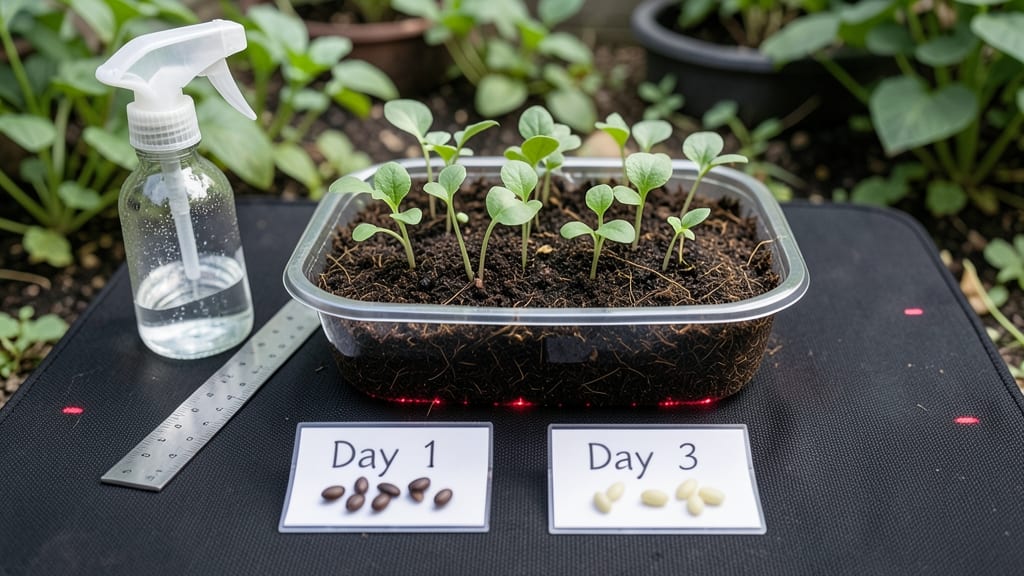
Waiting three weeks for seeds to sprout feels like an eternity—until you try these science-backed moisture tricks that achieve fast seed germination in half the time. 🌱 I’ve watched tiny radish seeds crack open in 3 days and stubborn heirloom tomatoes break through soil in 7 instead of 21, all by tweaking just a few key factors.
The secret isn’t magic—it’s understanding how water, warmth, and oxygen work together to wake seeds up faster than nature intended.
You only need three essentials: a heat mat or warm spot (70–85°F is ideal), a spray bottle or moisture dome, and the right soil mix—light and crumbly, not compacted. Most people overwater or let seeds dry out, both of which stall germination.
The goal is consistent dampness, not soggy soil. Think of it like a cozy blanket for seeds: snug but not suffocating. This method works for everything from quick-sprouting lettuce to finicky peppers.
By the time you’re done, you’ll have lush seedlings popping up in record time, ready to transplant before pests or weather can catch them. The payoff? More harvests, fewer replants, and that thrilling first peek of green happening weeks sooner than expected.
Plus, you’ll save money by avoiding expensive nursery starts. Here’s exactly how to set it up—no guesswork, just results.
Whether you’re dealing with stubborn seeds or just impatient to see growth, these tricks adapt to any climate or space. The same principles work for windowsill starts or a heated propagator, and they’re especially helpful for beginners who’ve given up on slow starters like parsley or basil.
Let’s get those seeds moving!
📚 In This Guide
- What you need
- Instructions
- Tips and common mistakes
- Wrapping up and next steps
What you need
- ● Seeds: Choose fast-germinating varieties (e.g., radishes, beans, or lettuce). Pro tip: Check seed packets for "days to germination" for best results! 💡
- ● Growing medium: Peat pellets or coir discs (10-20 units, depending on seed quantity)
- ● Seed-starting mix (1-2 bags, sterile and lightweight)
- ● Paper towels or coffee filters (2-3 sheets, for the "wet paper towel" method)
- ● Containers: Seed trays with drainage holes (1-2 trays)
- ● OR Small pots (3-4 inches deep, 1-2 per seed type)
- ● Plastic wrap or a humidity dome (to retain moisture)
- ● Spray bottle (1, with a fine mist nozzle for gentle watering)
- ○ Heat mat (optional but highly recommended for tropical seeds—set to 70-85°F)
- ● Grow lights or sunny windowsill (12-16 hours of light daily)
- ○ Thermometer (optional, to monitor soil temp—ideal range: 65-75°F)
- ● Tweezers or seed starter tool (for precise seed placement)
- ● Distilled water (avoids chlorine/chemicals that can inhibit germination)
- ○ Hydrogen peroxide (3%) (1 tsp per cup of water, optional—boosts oxygen for roots! ✨)
- ● Humidity tray (DIY with a shallow tray + pebbles + water)
- ● A clean workspace (sterilize tools with rubbing alcohol if reusing)
- ● Patience (but not too much—some seeds sprout in 24-48 hours with these tricks!)
- ● Knowledge of your seeds’ ideal germination conditions (check seed packets or a germination guide).
Step-by-Step instructions for fast seed germination
Here's how to double your sprouting success using proven moisture techniques—no shortcuts, just science.
💧 Step 1: Pre-Soak Seeds for Maximum Moisture Uptake
Most seeds have hard outer shells that slow water absorption. Soak them in lukewarm water for 8-12 hours before planting—this softens the seed coat and jumpstarts hydration. Use a clean container and cover seeds with water by 1 inch to ensure full immersion.
I like to place a mesh bag or paper towel in the water with the seeds to keep them contained. After soaking, drain thoroughly but don't let them dry out completely. You'll see seeds plump up noticeably—this is your signal they're ready for planting. For delicate seeds like lettuce, reduce soaking time to 4-6 hours to avoid overhydration.
🌱 Step 2: Plant in Pre-Moistened, Warm Growing Medium
Fill your seed-starting containers with a lightweight, sterile mix designed for fast germination. Moisten it until it feels like a wrung-out sponge—damp but not dripping. I press the mix down gently to remove air pockets, then let it sit for 10 minutes to ensure even moisture distribution.
Plant soaked seeds at the correct depth (usually 2-3 times their diameter) and cover lightly with additional mix. The goal is to maintain consistent moisture without burying seeds too deep. A spray bottle helps settle soil around seeds without disturbing them. Keep the containers in a warm spot (70-75°F) to encourage rapid root development.
☀️ Step 3: Maintain Consistent Moisture Without Overwatering
Germination speed depends on steady moisture, but soggy soil suffocates seeds. Check daily and water only when the top ½ inch of soil feels dry. Use a spray bottle to mist evenly—avoid heavy watering that can dislodge seeds or create dry pockets.
I cover trays with clear plastic wrap to lock in humidity, but remove it immediately once sprouts appear. Watch for condensation on the underside—this tells you moisture levels are perfect. If you see mold, increase airflow by propping up one side of the cover. The key is balance: seeds need moisture, but not drowning.
⏰ Step 4: Optimize Light and Temperature for Speed
Once seeds sprout, move them to bright, indirect light (like a south-facing window) or use a grow light 4-6 inches above the seedlings. Direct sunlight now can scorch tender leaves. Maintain soil warmth at 65-70°F—a seedling heat mat helps if your home runs cooler.
You'll see first true leaves in 5-10 days with these methods (compared to 2-3 weeks with standard techniques). Thin seedlings to 1 plant per cell if overcrowded, using clean scissors to avoid disturbing roots. The fastest germinators like radishes may sprout in just 3-4 days—watch closely to avoid overwatering eager young plants.
Tips & tricks for perfect fast seed germination
Here's what nobody tells you about making those 8-12 hours count—because speed isn't just about time, it's about technique.
The Soak Test: After your 8-12 hour soak (or 4-6 hours for delicate seeds), gently press a seed between your fingers—it should feel noticeably softer, almost like a tiny water balloon. If it still feels hard, extend the soak by another 2-3 hours. This simple pressure test tells you whether your seeds are truly ready for planting, not just wet. Overlooking this step means seeds won't absorb moisture efficiently, slowing germination by up to 48 hours.
Temperature Matters: That 70-75°F range for your growing medium isn't arbitrary—it's where seed enzymes work most efficiently. I keep my seed trays on top of my fridge (which stays around 72°F) during the germination phase. If your home runs cooler, place containers on a seedling heat mat set to 75°F. Cold soil can delay sprouting by a full week, and warm soil creates the perfect environment for rapid cell division.
Visual Moisture Check: In Step 3, when you're maintaining that consistent moisture, look for these two signs: first, condensation should form on the underside of your plastic wrap within 24 hours—this means humidity levels are perfect. Second, the soil surface should look uniformly damp but never wet. If you see water pooling at the bottom of your tray, you're overwatering, which can actually suffocate seeds. The goal is "wrung-out sponge" moisture, not a swamp.
Light Transition: When moving sprouts to light in Step 4, don't rush this—give them 24 hours at their current warmth (65-70°F) before introducing light. This gradual transition prevents shock. I place my trays under my grow light for just 4 hours the first day, then increase by 2 hours daily. This mimics natural sunlight patterns and prevents leggy seedlings that grow toward the light source too quickly.
Pro Tips for Fast Seed Germination
- Here's what nobody tells you about making those 8-12 hours count—because speed isn't just about time, it's about tech...
- The Soak Test: After your 8-12 hour soak (or 4-6 hours for delicate seeds), gently press a seed between your fingers—...
- Temperature Matters: That 70-75°F range for your growing medium isn't arbitrary—it's where seed enzymes work most eff...
Frequently asked questions
Got questions about speeding up seed germination?
You’re not alone! Here are answers to the most common queries—so you can get those sprouts popping fast.
How long does it really take for seeds to germinate with these moisture tricks?
Germination speed varies by seed type, but moisture tricks like soaking, humidity domes, or bottom-watering can cut time in half. Fast germinators (like beans or radishes) may sprout in 3–7 days, while slower ones (e.g., tomatoes) take 7–14 days. Always check seed packets for baseline expectations!
What if my seeds still won’t sprout after trying these methods?
Don’t panic! First, check for viability—test a few seeds in warm water (floaters are likely dead). If they’re fresh but stubborn, try scarification (lightly sanding hard shells) or a heat mat (70–85°F). If all else fails, those seeds may just need more patience—or it’s time to order a new packet!
Is bottom-watering better than top-watering for fast germination?
Both work, but bottom-watering (placing trays in shallow water) keeps moisture consistent without soggy soil. Top-watering risks uneven dampness. For speed, combine both: bottom-water daily + mist lightly to mimic natural rain. Pro tip: Use a spray bottle for gentle hydration—no drowning seeds!
Does temperature really affect germination speed, and how?
Absolutely!
Most seeds germinate fastest in 70–85°F (warmth = enzyme activity). Cooler seeds (below 60°F) slow down dramatically. Use a seedling heat mat or place trays on a sunny windowsill. Cold-sensitive seeds (like peppers) may rot if too hot—always match temps to your seed type!
Can I use household items (like paper towels) for fast germination?
Yes! The paper towel method works for small seeds (e.g., herbs, lettuce):
- Moisten a paper towel, sandwich seeds between two, and fold.
- Place in a sealed bag or container.
- Check daily—transplant when sprouts are ¼-inch tall.
Wrapping up and next steps
Fast seed germination isn’t just about luck—it’s science in action! 🌱 By mastering moisture control, temperature, and a few clever tricks, you can coax even the trickiest seeds to sprout like clockwork.
Whether you’re a seasoned gardener or just starting, these techniques will turn your patience into predictable success.
Ready to put your newfound knowledge to work? Start small—pick one seed type, test a method, and watch the magic unfold. Soon, you’ll be sharing your speedy sprouts with fellow green thumbs (or bragging to your houseplants!). Happy growing! 🌿