
Lawn
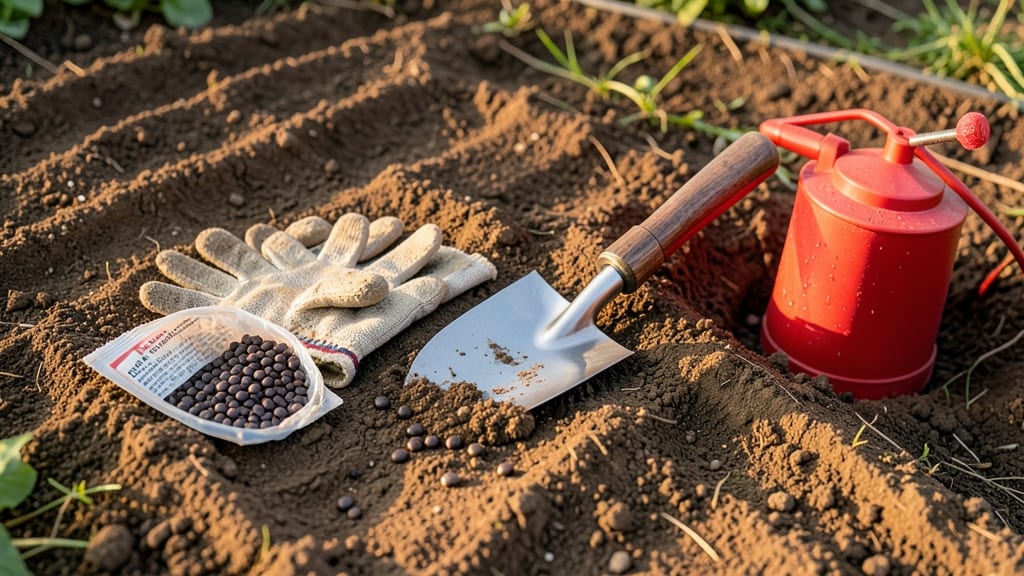
Direct seed planting turns your lawn from patchy to thick and lush in just 3 weeks—no fragile transplants needed. 🌱 I learned the hard way that skipping this step means thin spots, weeds, and wasted time.
The secret isn’t magic; it’s timing, soil prep, and a few simple planting tricks that work every time. Start when soil temps hit 60°F (spring or early fall) and moisture holds steady after watering.
Grass seed needs sunlight and warmth to germinate fast, so avoid cool, damp soil—it slows everything down. Test your soil first; if it’s heavy clay or sandy, amend it with compost to help seeds cling and roots establish.
Plant seeds ¼-inch deep, spaced ½-inch apart, then cover lightly with soil. Water gently but thoroughly—no puddles—to keep seeds moist but not soggy. Within 7–10 days, you’ll see sprouts, and by 3 weeks, they’ll be thick enough to crowd out weeds naturally.
This method works for cool-season grasses (like fescue) and warm-season types (like Bermuda). The key is consistency: water daily until germination, then taper off as grass roots grow deeper. No more bare patches—just a lawn that fills in faster than you’d expect.
📚 In This Guide
- What you need
- Instructions
- Tips and common mistakes
- Wrapping up and next steps
What you need
- ● High-quality grass seed: Choose a blend suited to your climate (e.g., Kentucky Bluegrass, Tall Fescue, or Perennial Ryegrass). Aim for 5-10 lbs per 1,000 sq. ft. for optimal coverage.
- ● Lawn rake: A bendable-tine rake (for leveling) or a stiff-bristle rake (for removing debris). Size: 18-24 inches wide.
- ● Garden hoe or tilling tool: For breaking up compacted soil. A stirrup hoe works well for small areas.
- ● Spreaders: Broadcast spreader: For even distribution of seed (e.g., Scotts Turf Builder or Brillion models).
- ○ Drop spreader (optional but helpful): For precision in edges or small patches.
- ● Soil amendment: Compost or peat moss (1-2 inches) to improve soil texture and fertility. Coverage: 1 cubic yard per 100 sq. ft..
- ● Water source: A hose with adjustable nozzle or a watering wand for gentle, even watering.
- ● Fertilizer: A starter fertilizer (high in phosphorus, e.g., 10-20-10 ratio) to boost root growth. Apply 1 lb per 100 sq. ft..
- ● Mulch or straw: Straw mulch (¼ inch thick) to retain moisture and protect seeds from birds. Coverage: 1 bale per 50 sq. ft..
- ● Soil test kit: To check pH and nutrient levels before planting (ideal pH: 6.0-7.0 for most grasses).
- ● Lawn roller: A lightweight (30-50 lb) roller to press seeds into soil for better contact.
- ● Epsom salt: (1 tbsp per gallon of water) for magnesium boost if soil tests deficient.
- ● Bird netting: To deter birds from feasting on fresh seeds.
- ● Knee pads or gloves: For comfort during prep work.
How to achieve a thick, lush lawn in 3 weeks using direct seed planting
Skip the nursery trips and transplant shock—this method grows a dense lawn straight from seed.
🌱 Step 1: Prepare the Soil for Optimal Germination
Start by removing all existing grass, weeds, and debris using a sod cutter or sharp spade. I like to work the soil to a depth of 4-6 inches with a rototiller or garden fork to loosen compacted areas. This ensures seeds make direct contact with fertile soil instead of sitting on a hardpan.
Test your soil’s pH—ideal lawn grasses thrive in 6.0-7.0 range. If your soil tests lower, spread lime according to package instructions. For sandy soil, mix in 2-3 inches of compost to improve moisture retention. Rake the surface smooth afterward—you want it as level as a billiards table so seeds don’t settle into low spots.
💧 Step 2: Choose the Right Seed and Plant at Proper Depth
Select a fast-germinating grass blend suited to your climate—cool-season grasses like Kentucky bluegrass or fescue sprout in 5-10 days when conditions are right. Scatter seeds using a broadcast spreader for even coverage, aiming for 10-15 lbs per 1,000 sq ft. For smaller areas, spread by hand but walk in opposite directions to avoid streaks.
Lightly rake the seeds into the soil to a depth of ¼ inch—deeper planting delays germination. If your soil is dry, water immediately with a fine mist until the surface feels damp but not soggy. Cover with a thin layer of straw mulch (¼ inch thick) to protect seeds from birds and retain moisture without smothering them.
☀️ Step 3: Water Consistently for Rapid Germination
Keep the soil evenly moist for the first 21 days—this is critical for uniform germination. Water lightly twice daily (morning and evening) with a sprinkler set to a fine mist. You’ll know you’re doing it right when the top ½ inch of soil stays damp but doesn’t puddle. Overwatering washes seeds away, while underwatering leaves them dry and crispy.
After germination (when 50% of seeds sprout), reduce watering to once daily but increase depth to 1 inch per week. Avoid walking on the lawn until blades reach 3 inches—you’ll see this as a velvety green carpet that springs back when pressed. This consistency is what transforms patchy seeds into a thick lawn in just 3 weeks.
✂️ Step 4: Maintain Moisture and Fertilize for Thickness
Once the lawn reaches 3-4 inches tall, apply a slow-release starter fertilizer with high phosphorus (look for a 3-1-2 ratio) to encourage root development. Water deeply after application to help nutrients penetrate. Mow for the first time when grass reaches 3.5 inches, cutting only the top third of the blade—this keeps roots strong and prevents scalping.
Continue watering 1-1.5 inches per week, splitting into 2-3 sessions to prevent runoff. After the first mowing, switch to a balanced fertilizer (10-10-10) every 6-8 weeks to maintain lush growth. You’ll notice the lawn filling in gaps naturally as roots spread—this is the payoff for patience during those first critical weeks.
Tips & tricks for perfect direct seed planting
Here's what nobody tells you about getting that flawless lawn start without transplanting headaches.
Soil Prep Secret: After tilling to that 4-6 inch depth in Step 1, run a level across your yard to check for dips or mounds. Fill low spots with a mix of soil and compost (about 1 inch thick) and smooth everything out with a rake. Uneven surfaces cause water pooling in some areas while others dry out—this is what leads to patchy germination. A perfectly level surface ensures consistent moisture throughout your entire lawn.
Seed Placement Technique: When you're scattering those 10-15 lbs of seed per 1,000 sq ft in Step 2, walk in a crisscross pattern—first one direction, then perpendicular. This creates overlapping seed patterns that eliminate thin spots. For small areas, use a pie tin or cookie sheet to measure out seed portions—it's more accurate than eyeballing from the bag. The goal is complete coverage without doubling up in some spots.
Watering Hack: During those critical first 21 days in Step 3, set a rain gauge or empty tuna can in your lawn to track water accumulation. You want exactly 0.5 inches of water per watering session (twice daily). Most sprinklers deliver too much—adjust your watering time until you're hitting that precise measurement. Too much water washes seeds away, while too little leaves them high and dry.
Germination Timeline: Mark your calendar for Day 5 and Day 10 after planting. If you don't see any sprouts by Day 10, something's wrong—either your seeds were too deep, the soil was too dry, or they weren't viable. Cool-season grasses should show signs of life by then. Once you hit that 50% germination point, you can ease up on the twice-daily watering, but keep that soil consistently moist until the blades reach 3 inches.
Pro Tips for Direct Seed Planting
- Here's what nobody tells you about getting that flawless lawn start without transplanting headaches.
- Soil Prep Secret: After tilling to that 4-6 inch depth in Step 1, run a level across your yard to check for dips or m...
- Seed Placement Technique: When you're scattering those 10-15 lbs of seed per 1,000 sq ft in Step 2, walk in a crisscr...
Frequently asked questions
Got questions about direct seed planting?
You’re not alone! Here are answers to the most common concerns—so you can get that lush, thick lawn in just three weeks without the hassle of transplanting.
What’s the best time of year to direct seed my lawn?
The ideal window is early spring or late summer/early fall when soil temps are 50–75°F. Avoid seeding in extreme heat or cold—seeds need consistent moisture and warmth to germinate. Check your local frost dates for precision timing!
How long does it take for seeds to germinate?
Germination time varies by grass type:
- Cool-season grasses (fescue, ryegrass): 7–21 days
- Warm-season grasses (Bermuda, Zoysia): 10–30 days
Do I need to water constantly after planting?
Yes! Light, frequent watering (2–3 times daily for 5–10 mins) is key for the first 2–3 weeks. Once sprouts are 2–3 inches tall, taper to 1 inch per week. A sprinkler with gentle mist works best—avoid heavy streams that wash seeds away.
What if my seeds aren’t germinating after 2 weeks?
Don’t panic! Troubleshoot with this checklist:
- Soil temp: Too cold (<50°F) or hot (>85°F)? Adjust timing.
- Moisture: Dry crust on top? Scratch the soil lightly and rewater.
- Depth: Seeds buried too deep? Most need ¼-inch coverage max.
- Seed viability: Check the packet’s expiration date—old seeds may fail.
Can I use direct seeding for patchy lawns or just full lawns?
Direct seeding is perfect for small patches, bare spots, or entire lawns. For patches, focus on prepping the soil (remove debris, loosen dirt) and use a handheld spreader for precision. Just scale back watering to the treated area.
Wrapping up and next steps
Direct seed planting is your fastest path to a lush, thick lawn—no transplanting required! By following the right techniques, you’ll see visible results in just three weeks, saving time and effort while achieving a healthier yard.
Whether you’re a beginner or a seasoned gardener, this method is simple, cost-effective, and rewarding.
Ready to take the next step? Grab your seeds, tools, and a sunny weekend—your dream lawn is just a few days of prep away! 🌱✨