
Lawn
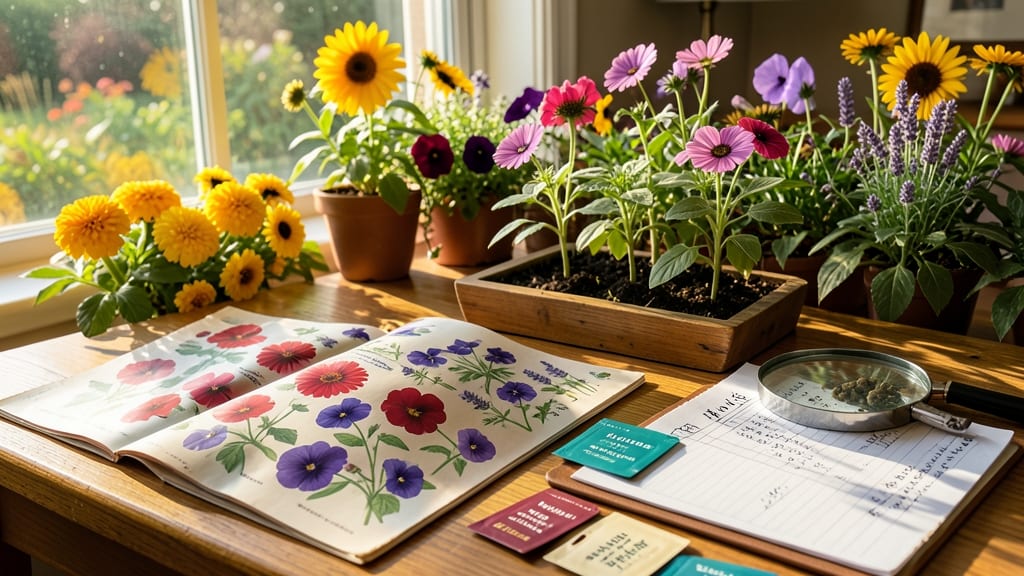
Flower seed catalogs for 2025 are your golden ticket to a garden that stops neighbors in their tracks. 🌸 I still remember the first time I saw 'Black Velvet' zinnias in a catalog—those deep, velvety blooms changed how I garden forever.
The 2025 editions aren't just pretty pages; they're packed with exclusive varieties, limited-edition colors, and early-bird discounts that make planning your season feel like a treasure hunt.
Here's the thing—you don't need a green thumb to make this work. Start by scanning catalogs for seeds that match your sunlight conditions and climate zone. Most reputable companies now include planting charts that show exactly when to start indoors or direct-sow outdoors in your area.
I always circle the disease-resistant varieties first; they save me headaches later.
By mid-February, you'll have a customized planting schedule that accounts for your first and last frost dates. Picture it: snapdragons blooming in May, cosmos carrying the season into October, and every gap filled with something vibrant.
The best part? You're not just growing flowers—you're creating a timeline for color, fragrance, and pollinator support all year long.
Pro tip: Use catalogs to mix heights and bloom times—tall sunflowers behind shorter zinnias, early daffodils paired with late-blooming asters. This keeps your garden looking full and dynamic from spring through fall.
The planning takes less than two hours, but the payoff is a garden that feels like it was designed just for you.
📚 In This Guide
- What you need
- Instructions
- Tips and common mistakes
- Wrapping up and next steps
What you need
- ● 2025 Flower Seed Catalog(s): Choose 1–3 catalogs (e.g., Burpee, Park Seed, or Johnny’s Selected Seeds) for exclusive varieties.
- ● High-quality seed-starting mix: 1–2 bags (sterile, peat-free, and lightweight—10–12 quarts per tray).
- ● Seed trays or pots: 100–200-cell trays (biodegradable preferred) OR
- ● 4–6" pots (6–12 per variety).
- ● Seeds: Order 2–5 packets per variety (2025 catalogs may offer limited-edition heirlooms!).
- ● Grow lights or sunny windowsill: LED grow lights (12–16 hrs/day) OR south-facing window.
- ● Misting bottle or spray nozzle: For gentle hydration (16–32 oz capacity).
- ● Plant labels & markers: Waterproof tags (50+ labels) + permanent marker.
- ○ Fertilizer (optional but recommended): Balanced liquid fertilizer (5-5-5 NPK) OR
- ● Slow-release granules (per tray instructions).
- ● Space: Dedicated area (2’x3’ minimum) for trays/lights.
- ● Time: 10–15 mins/day for monitoring (humidity, light, water).
- ● Patience: Germination varies (5–30 days depending on variety!).
- ● Backup plan: Extra seeds (10–20%) in case of mold or pests.
- ● 🌡️ Check temperature ranges: Some 2025 varieties (e.g., heat-tolerant zinnias) need 70–85°F to germinate.
- ● ✨ Early-bird perk: Pre-order by January 15, 2025 for bonus seeds or discounts!
- ● 🔍 Catalog notes: Highlight “heirloom,” “disease-resistant,” or “pollinator-friendly” varieties for easier tracking.
How to maximize your 2025 flower seed catalog order
This is how I turn a seed catalog into a full-season garden—without overspending or overcommitting.
📜 Step 1: Review Catalogs for Climate and Bloom Time Alignment
Start by scanning each catalog’s hardiness zone map—your region’s USDA zone determines which varieties will thrive. I always highlight seeds labeled for zones 5-9 since that covers most U.S. gardeners. Cross-reference bloom times with your first frost date to avoid ordering annuals that flower too late for your season.
Pay special attention to days to maturity listed for each variety. For example, if your last frost is May 15, a 60-day tomato (like ‘Early Girl’) needs to be started indoors by March 15. This timing ensures you won’t miss the window for direct sowing or transplanting. I circle these dates in red ink—it’s the easiest way to avoid last-minute panic.
🌱 Step 2: Prioritize Seed Viability and Quantity Needs
Check the packaging date on each seed packet—most catalogs include this info. Seeds older than 2 years lose viability, so I skip those unless they’re from a trusted heirloom supplier with tested germination rates. For varieties I’ve grown before, I stick to 1-2 packets unless I’m planting a large border or cutting garden.
For new-to-you flowers, I order one extra packet as a backup. This is especially important for rare or hybrid varieties where seed-saving isn’t reliable. I also note whether the catalog offers bulk discounts—sometimes buying 5 packets of the same flower saves enough to add a second variety I’ve been eyeing.
☀️ Step 3: Plan for Sun Exposure and Garden Layout
Group seeds by sunlight requirements before ordering. Catalogs often label varieties as full sun (6+ hours), partial shade (3-6 hours), or full shade (<3 hours). Sketch a rough layout of your garden beds, marking where each group will go. This prevents you from ordering 10 sun-loving zinnias when your shady spot needs impatiens or ferns.
I also check plant spacing for mature flowers—crowding leads to competition and poor blooms. For example, dahlias need 18-24 inches apart, while pansies can handle 6-8 inches. Ordering extra seeds for fillers (like lobelia or sweet alyssum) ensures you can tuck them into gaps without wasting space.
💰 Step 4: Compare Pricing and Loyalty Perks
Some catalogs offer early-bird discounts (10-15% off orders placed by December 31), while others provide free seeds with purchases over $50. I always calculate the cost per packet—a $2.50 packet of 50 seeds is cheaper than a $4 packet of 10. For heirloom or rare varieties, I’m willing to pay a premium, but I draw the line at $5+ per packet unless it’s a specialty flower.
Loyalty programs often include exclusive varieties or discounts on future orders. If you’ve ordered from the same catalog for 3+ years, ask about VIP pricing or free catalogs. I’ve saved $30+ per year by stacking coupons with early-bird deals—just make sure to read the fine print on shipping fees or minimum order requirements.
⏰ Step 5: Set Order Deadlines and Track Shipments
Catalogs typically ship seeds 4-6 weeks before their stated deadline, so place orders by mid-January for spring planting. I set a calendar reminder for January 10 to avoid last-minute rushes. If ordering internationally, check customs delays—some countries require additional paperwork for seed shipments.
When your order arrives, inspect packets immediately for damage or incorrect quantities. Most reputable catalogs include germination guarantees, so if a packet fails to sprout, you can request a replacement. I store seeds in a cool, dark place (like a seed fridge or zip-top bag in the fridge) to maintain viability until planting season.
Tips & tricks for getting the most out of 2025 flower seed catalogs
These insider strategies will help you transform seed catalogs into a dream garden—without breaking the bank or overcommitting to varieties that won't thrive.
Hardiness Zone Deep Dive: Don't just rely on the catalog's zone recommendations—check your microclimates first. A sunny south-facing wall might be a full zone warmer than your yard's average. I always verify by checking my local weather station's historical lows for winter and highs for summer. For example, if you're in zone 6 but have a protected microclimate, you might successfully grow zone 7 varieties like black-eyed Susans that normally struggle in your area.
Seed Viability Secret Weapon: When checking packaging dates, look for the germination percentage listed on the packet. Many catalogs now include this info—aim for 85%+ germination for reliable results. For heirloom seeds, I cross-reference with the Seed Savers Exchange database to verify viability ratings before ordering. This prevents disappointment when packets with 50% germination yield only half the expected plants.
Sunlight Mapping Hack: Use your phone's sunlight tracking apps (like Sun Surveyor) to map your garden's actual sunlight exposure for 3-6 hours before ordering. Many catalogs label varieties as "full sun" when they actually thrive in 6-8 hours. I've caught this mismatch multiple times—especially with Russian sage and catmint that do better in partial shade than full sun. This simple step prevents you from buying seeds that won't perform where you plant them.
Budget Optimization Strategy: The $50 minimum threshold for free seeds is actually a cost-per-seed game. Calculate which catalogs offer the best value per seed—sometimes a $3 packet of 100 seeds is better than a $2 packet of 25. I create a spreadsheet comparing cost per seed across catalogs, then prioritize ordering from the most economical sources first. This approach lets me add more varieties within my budget while still getting free seeds.
Pro Tips for Flower Seed Catalogs 2025
- These insider strategies will help you transform seed catalogs into a dream garden—without breaking the bank or overcommitting to varieties that won't thrive.
- Hardiness Zone Deep Dive: Don't just rely on the catalog's zone recommendations—check your microclimates first.
- Seed Viability Secret Weapon: When checking packaging dates, look for the germination percentage listed on the packet.
Frequently asked questions
Got questions about ordering flower seeds from the 2025 catalogs?
You’re not alone! Here are answers to the most common inquiries—so you can plan like a pro and grow like a dream.
What’s the best time to order flower seeds from the 2025 catalogs?
Order early—think late winter to early spring (February–March)—to secure the best selection and early-bird discounts. Some catalogs even offer exclusive varieties for early shoppers. Pro tip: Check the catalog’s shipping deadlines for your region to avoid delays!
Can I still get rare or discontinued flowers from 2025 catalogs?
Many catalogs highlight limited-edition seeds or rare heirloom varieties. Look for labels like “Exclusive to 2025” or “Discontinued elsewhere.” Act fast—these often sell out quickly. Save your favorites to a wishlist to snag them before they’re gone!
Are there ways to save money on 2025 flower seed catalogs?
Yes! Use these tricks:
- Bundle deals: Buy multiple seed packets for discounts.
- Loyalty programs: Some catalogs offer points for future purchases.
- Referral codes: Share with friends for cash back or free seeds.
- Wait for sales: Check for end-of-season or holiday promotions.
What if my seeds arrive late or don’t germinate?
First, verify shipping dates when ordering. If seeds arrive late, start them indoors under grow lights. For germination issues:
- Check seed viability (test a few in damp paper towels).
- Ensure proper moisture, warmth, and light.
- Contact the catalog’s customer service—many offer replacements or refunds for defective seeds.
Are there eco-friendly or organic seed options in 2025 catalogs?
Many 2025 catalogs now feature non-GMO, organic, or heirloom seeds—look for certifications like USDA Organic or OMRI Listed. Brands like Baker Creek Heirloom Seeds and High Mowing Organic Seeds specialize in sustainable choices. Bonus: Some include pollinator-friendly mixes to support bees and butterflies!
Wrapping up and next steps
Flower seed catalogs for 2025 are your golden ticket to transforming your garden into a vibrant masterpiece—without the guesswork! 🌸 From rare heirloom blooms to drought-resistant darlings, these curated collections make planning a breeze while offering exclusive perks like early access and freebies.
Whether you're a seasoned green thumb or a curious beginner, now’s the time to dive in and let your creativity bloom.
Ready to grow your dream garden? Browse the top 2025 catalogs today, mark your calendar for early-bird deadlines, and get your seeds in the mail—your future garden will thank you! 🌱✨