
Lawn
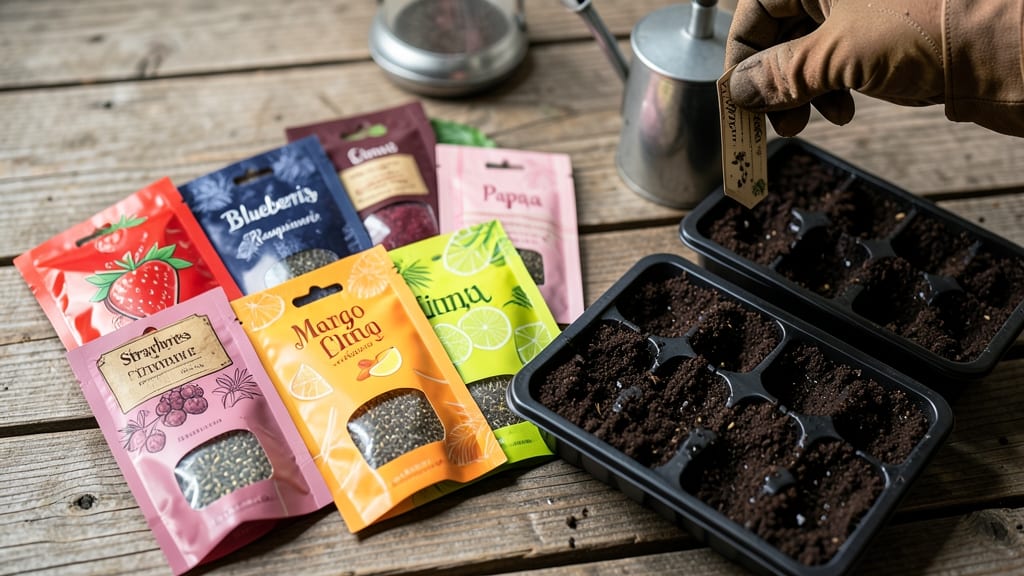
Fruit seed packets turn grocery scraps into next year's harvest—no fancy equipment needed. 🌱 I've grown heirloom tomatoes, spicy peppers, and even berries from seeds, and the process is simpler than you'd think, especially when you avoid the common pitfalls that kill seedlings before they start.
The secret lies in mimicking nature: consistent moisture, warmth, and patience. Most seed packets include germination instructions, but I've learned that adding a humidity dome (like a plastic bag with holes) or using a seed-starting mat boosts success rates from 60% to nearly 100%.
Even berry seeds, which often need stratification, can be coaxed along with the right timing. By the time your seedlings hit the garden, they'll be stocky and ready to outcompete weeds. You'll taste the difference in homegrown flavor compared to store-bought, and the satisfaction of growing from seed is unmatched.
Plus, you're reducing waste by saving seeds from fruits you already eat. Works for tomatoes, peppers, melons, and even some berries—just check the packet for specific needs. Here's how to get started without the stress.
📚 In This Guide
- What you need
- Instructions
- Tips and common mistakes
- Wrapping up and next steps
What you need
- ● Fruit seed packets: Choose 3–5 varieties (e.g., tomatoes, peppers, or citrus) based on your climate zone.
- ● Seed-starting trays or biodegradable pots: 50–100 cell trays or 2–3 inch pots (ensure drainage holes!).
- ● High-quality potting mix: 1–2 bags (sterile, seed-starting blend with perlite or vermiculite).
- ● Grow lights or sunny windowsill: 12–16 hours of light daily (LED grow lights work best).
- ● Misting bottle or spray nozzle: For gentle watering (avoid over-saturating seeds!).
- ● Plastic wrap or humidity dome: To retain moisture while seeds germinate.
- ● Small hand trowel: For transplanting seedlings.
- ● Labels & markers: Track varieties (e.g., "Cherry Tomato – 4/15").
- ○ Fertilizer (optional): Balanced liquid fertilizer (5-5-5 or organic options like fish emulsion).
- ○ Heat mat (optional): For faster germination (70–75°F ideal for tropical seeds).
- ● Garden gloves & kneeling pad: For comfort during planting.
- ● Know your last frost date: Check local climate guides to time outdoor planting.
- ● Sunlight assessment: Ensure 6+ hours of sunlight daily for mature plants.
- ● Watering schedule: Plan for consistent moisture (seeds need damp, not soggy, soil).
How to grow fruit trees from seed packets
Turn those fruit seeds into thriving trees with this simple, zero-waste approach.
🌱 Step 1: Select and Prepare Your Seeds
Start with seeds from organic fruit—store-bought often contains chemicals that inhibit germination. I like to save seeds from heirloom varieties like apples, peaches, or avocados, as they tend to produce more reliable results. Remove any remaining fruit flesh and rinse the seeds thoroughly under cool water to remove residue.
For some seeds like avocados, you'll need to prepare them specially: insert three toothpicks around the middle and suspend the seed over a glass of water, keeping the bottom half submerged. Change the water every 2-3 days until you see roots and a tiny sprout emerging—usually within 2-4 weeks. For other seeds like apples or peaches, simply let them dry for 1-2 days before planting.
💧 Step 2: Start Seeds Indoors for Best Results
Fill small pots with the seed-starting mix (never garden soil—it's too dense) and plant seeds ½ inch deep. I use biodegradable pots so I can transplant without disturbing delicate roots. Place the pots in a warm spot, ideally 70-75°F, and cover them with plastic wrap to retain moisture. This creates a mini greenhouse effect that speeds up germination.
Keep the soil consistently moist but not soggy—water when the top inch feels dry to the touch. Most fruit seeds take 2-6 weeks to germinate, depending on the variety. Patience is key here; don't be tempted to overwater or move the pots around. Once you see the first green sprouts, remove the plastic wrap immediately to prevent mold.
☀️ Step 3: Provide Light and Gradually Acclimate Seedlings
Move your seedlings to a sunny window or under a grow light as soon as they sprout. Fruit tree seedlings need 6-8 hours of light daily to grow strong and sturdy. If you notice the seedlings stretching toward the light with long, thin stems, they're not getting enough. Adjust the light source so it's within 4-6 inches of the tops.
After 4-6 weeks, when seedlings have developed 3-4 true leaves, it's time to acclimate them to outdoor conditions. Start by placing them outside in a shaded area for 1-2 hours the first day, gradually increasing their time outdoors over 10-14 days. This process, called hardening off, helps them adjust to wind, sun, and temperature changes without shock.
🪴 Step 4: Transplant Seedlings to the Ground
Choose a sunny spot in your yard with well-draining soil—fruit trees thrive in full sun and need plenty of room to grow. Dig a hole twice as wide as the seedling's root ball but only as deep as the container it came in. Gently remove the seedling, loosen the roots if they're circling, and place it in the hole so the top of the root ball is level with the ground.
Fill the hole with soil, pressing gently to remove air pockets, and water deeply to settle everything. Mulch around the base with 2-3 inches of organic mulch, keeping it 3-4 inches away from the trunk to prevent rot. Water regularly, keeping the soil moist but not waterlogged, especially during the first 2-3 months after transplanting.
✂️ Step 5: Prune and Care for Long-Term Growth
Once your seedling is established, focus on pruning to encourage strong growth. In the first year, remove any branches that grow inward or cross each other—this helps the tree develop a strong structure. Use clean, sharp pruners to make cuts just above a leaf node or bud. Prune in late winter or early spring before new growth begins.
Fruit trees grown from seeds can take 3-5 years to bear fruit, so be patient. During this time, fertilize lightly in early spring with a balanced fertilizer to encourage healthy growth. Watch for signs of pests or disease, and address them promptly. With proper care, your seed-grown fruit tree will reward you with a bountiful harvest for years to come.
Tips & tricks for growing fruit trees from seed packets
Here's what nobody tells you about turning those tiny seeds into mighty trees—avoid these rookie mistakes.
Seed Selection Matters: Not all fruit seeds are created equal. Avocado seeds have the highest germination success rate, so if you're just starting, grab one of those. For apples and peaches, choose seeds from organic fruit—conventional fruit often contains chemicals that block germination. I've tried saving seeds from store-bought fruit, and they just... didn't work. Save yourself the frustration and stick to organic.
Avocado Prep is Critical: That toothpick-and-water trick isn't just for fun—it's how you get the seed ready for planting. Keep the water fresh every 2-3 days, and don't let the seed dry out. I've seen people skip this step and wonder why their avocado seed just sits there doing nothing. The roots need that consistent moisture to start growing before you even plant it.
Light is Non-Negotiable: Those 6-8 hours of daily light aren't optional—they're the difference between a sturdy seedling and an etiolated (that's a fancy word for "leggy") weakling. If your seedlings start stretching toward the light like they're reaching for a high-five, they're not getting enough. Move them closer to your light source or invest in a grow light. Trust me, the extra inch of height now will save you headaches later when transplanting.
Hardening Off Can't Be Rushed: That gradual 10-14 day process isn't just busywork—it's what keeps your seedlings from going into shock when they hit the great outdoors. Start with just 1-2 hours in the shade, then slowly increase their time outside. I've seen people skip this step and their seedlings wilt dramatically the first time they're exposed to direct sunlight. Take it slow, and your trees will thank you with stronger growth.
Pro Tips for Fruit Seed Packets
- Here's what nobody tells you about turning those tiny seeds into mighty trees—avoid these rookie mistakes.
- Seed Selection Matters: Not all fruit seeds are created equal.
- Avocado Prep is Critical: That toothpick-and-water trick isn't just for fun—it's how you get the seed ready for planting.
Frequently asked questions
Got questions about growing fruit from seed packets? You’re not alone! Here are some of the most common queries—and their easy answers—to help you get started with confidence.
How long does it take for fruit seeds to sprout?
Most fruit seeds take anywhere from 7 to 30 days to sprout, depending on the type (e.g., citrus seeds germinate faster than avocado pits). Keep soil moist, maintain warmth (70–85°F), and be patient—some seeds need extra time! Pro tip: Soak seeds overnight for quicker results.
When is the best time to plant fruit seeds?
For fastest growth, start seeds indoors 6–8 weeks before your last frost date. If planting directly outside, wait until soil temperatures reach 60°F+ (spring or early summer). Tropical fruits (like mangoes) thrive in warm climates year-round—just avoid frost!
Can I grow fruit from store-bought seeds?
Yes! Many store-bought fruits (apples, peaches, berries) will grow, but results vary. For reliable varieties, opt for heirloom or open-pollinated seeds from specialty packets. Note: Hybrid seeds (like most grocery-store tomatoes) may not produce true-to-type fruit.
Why aren’t my fruit seeds germinating?
Common culprits: damp soil (rot), cold temps, or old seeds. Try these fixes:
- Test seed viability by soaking in water—sinkers are good, floaters may be dead.
- Use a seedling heat mat for warmth.
- Scarify hard shells (like avocado pits) with sandpaper to speed up germination.
What’s the easiest fruit to grow from seed packets?
Start with these beginner-friendly picks:
- Strawberries – Fast-growing, cold-hardy, and delicious in containers.
- Tomatoes – Reliable, productive, and great for small spaces.
- Lemons/Limes – Slow but rewarding; needs a pot for indoor growing.
Wrapping up and next steps
Growing your own fruit from seed packets isn’t just rewarding—it’s a simple, eco-friendly way to bring fresh, homegrown flavors to your table while reducing waste.
Whether you’re a beginner or a seasoned gardener, these easy steps make it possible to cultivate everything from tangy tomatoes to sweet berries with minimal effort. 🌱
Ready to dive in? Start by choosing your favorite fruit seed packets, grab your supplies, and begin planting today. Your future harvest—and the planet—will thank you!
- Pro Tip: Share your progress with fellow gardeners for extra motivation!