
Lawn
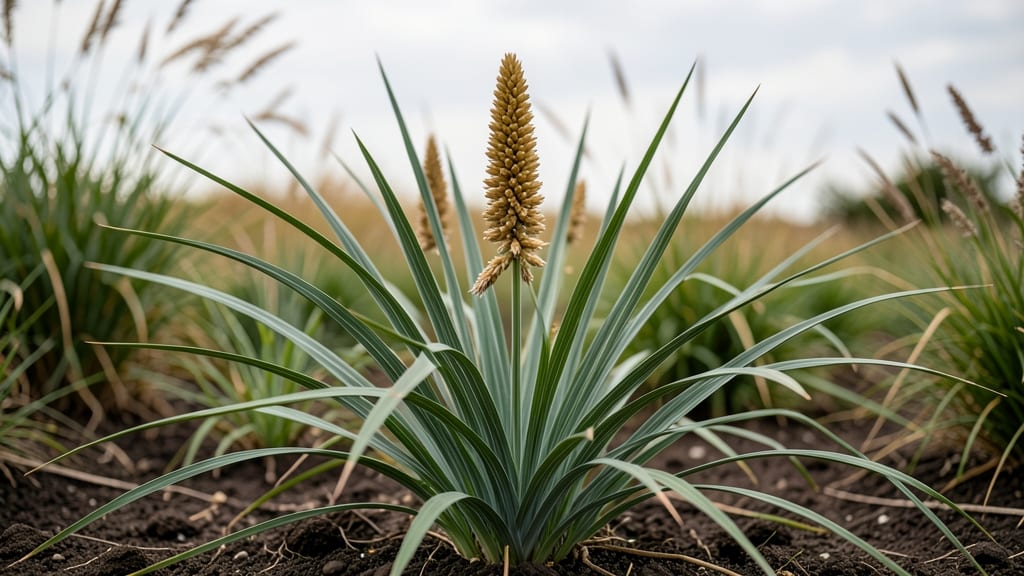
Those spiky seed pods aren't weeds—they're nature's winter art. 🌿 I've grown grasses like Pennisetum and Stipa for years, and they transform my yard into a textured winter wonderland while surviving drought and cold.
The secret lies in their ability to thrive when other plants struggle, giving you year-round interest with minimal effort. These grasses need full sun to partial shade and surprisingly little water once established—think 1 inch per week in dry spells.
Varieties like 'Karl Foerster' feather reed grass or 'Prairie Fire' switchgrass add dramatic vertical lines to borders, while 'Bunny Ears' sedge stays compact for edging. The key is planting in clumps rather than rows for a natural, windswept look.
By late summer, you'll see those signature seed heads emerge, turning golden-brown as winter approaches. They stay upright through snow, catching light like tiny sculptures. Prune back in early spring when new growth appears—just 30 minutes with shears—and watch them bounce back with fresh green shoots.
Perfect for modern landscapes, pollinator gardens, or even as dramatic container specimens. These grasses prove beauty doesn't need to die with the first frost—it just changes form."
📚 In This Guide
- What you need
- Instructions
- Tips and common mistakes
- Wrapping up and next steps
What you need
- ● Seed varieties: 1 lb Fescue grass seeds (e.g., Creeping Red Fescue or Chewing’s Fescue) – cold-hardy with spiky seed heads.
- ○ ½ lb Orchardgrass seeds (optional, for added height and texture).
- ● Soil prep: Garden rake (heavy-duty, 18–24" wide).
- ● Lawn aerator (manual or rented, for compacted soil).
- ● Topsoil or compost (2–3 cubic yards, depending on lawn size).
- ● Planting & care: Broadcast spreader (for even seed distribution).
- ● Lawn roller (100–150 lb, to press seeds into soil).
- ● Hose with adjustable nozzle (for gentle watering).
- ● Fertilizer: Slow-release, high-nitrogen (16-4-8 ratio, 20–30 lbs).
- ● Seedling heat mat (if planting in early spring before last frost).
- ● Organic mulch (straw or pine needles, to retain moisture).
- ● Soil test kit (to check pH—ideal range: 6.0–7.0).
- ● Pre-emergent herbicide (apply before seeding to prevent weeds).
How to cultivate ornamental grasses with striking seed pods
These grasses thrive in cold climates and deliver dramatic winter interest—here’s how to grow them successfully.
🌱 Step 1: Select the Right Ornamental Grass Varieties
Choose cold-hardy grasses like Miscanthus sinensis (maiden grass), Panicum virgatum (switchgrass), or Stipa tenuissima (feather reed grass) for their striking seed heads. I always opt for clumping types over runners—they stay tidy and won’t spread aggressively. Look for nursery-grown plants with established root systems rather than tiny plugs, as they establish faster in your landscape.
Check the mature height and spread of each variety to ensure it fits your space. For example, Miscanthus can reach 6-8 feet tall, while Stipa stays under 2 feet. Plant in groups of 3-5 plants for a natural, fuller look—single specimens often appear sparse. This is the moment that matters: selecting the right grass sets the stage for winter drama.
☀️ Step 2: Plant in Well-Draining Soil With Full Sun
Ornamental grasses thrive in full sun (6+ hours daily) and tolerate poor, dry soil better than most plants. Amend heavy clay with 2-3 inches of compost or coarse sand to improve drainage—waterlogged roots lead to rot, especially in winter. I dig a hole twice as wide as the root ball but only as deep as the container it came in, then loosen the edges of the root ball to encourage outward growth.
Space plants according to their mature width: 3-4 feet apart for most varieties. The key here is giving them room to grow without crowding. Once planted, water deeply to settle the soil, then let the top 2 inches dry out before watering again. Overwatering at this stage can suffocate roots—let them establish without constant moisture.
✂️ Step 3: Minimal Pruning for Winter Interest
Leave the seed heads intact through winter—they’re the star of the show! In late winter or early spring (February-March), cut back the previous year’s growth to 2-3 inches above the ground with clean, sharp shears. This encourages fresh growth and prevents the plant from looking ragged. I always prune on a dry day to avoid spreading disease through wet foliage.
Remove only the dead growth—never cut into the new shoots emerging from the base. You’ll notice fresh green growth appearing within 2-3 weeks of pruning. Fertilize lightly in early spring with a balanced, slow-release fertilizer (10-10-10) to support new growth without encouraging excessive foliage at the expense of seed heads.
💧 Step 4: Water Deeply but Infrequently
Once established, ornamental grasses are drought-tolerant, but they need deep watering (1-1.5 inches per week) during their first growing season. Water at the base, avoiding the foliage to prevent fungal diseases. In hot, dry spells, you’ll see the grass blades curl slightly—this is normal and indicates it’s time to water again. Mature plants rarely need supplemental watering unless your area experiences prolonged drought.
In winter, reduce watering entirely unless you’re in a region with freezing temperatures below 10°F. A light mulch of 2-3 inches of shredded bark helps insulate roots and retain moisture. The goal is to let the plants go dormant naturally—this is when their cold hardiness truly shines.
⏰ Step 5: Divide Every 3-4 Years for Renewed Vigor
Over time, ornamental grasses form dense clumps that benefit from division. In early spring (March-April), dig up the entire plant and separate it into smaller sections with a sharp spade. Each division should have 3-5 healthy shoots at its center. Replant immediately in prepared soil, water deeply, and mulch lightly to reduce stress. This is the moment that matters: dividing rejuvenates the plant and prevents it from becoming overcrowded.
Real talk: dividing can be messy, but it’s worth it. You’ll notice stronger growth and more abundant seed heads in the following season. Use the extra divisions to fill gaps in your landscape or share with fellow gardeners—most grasses transplant beautifully if done carefully.
Tips & tricks for perfect ornamental grass cultivation
These simple strategies will help you transform your yard into a winter wonderland with striking ornamental grasses.
Variety Selection: When choosing between Miscanthus sinensis (6-8 feet tall) and Stipa tenuissima (under 2 feet), consider your space and design goals. For dramatic vertical interest, plant Miscanthus at the back of borders, while Stipa works beautifully in containers or as delicate accents. I always plant in odd-numbered groups (3-5 plants) to create natural, fuller displays—single specimens often look sparse and unbalanced.
Soil Preparation: The 2-3 inches of compost or coarse sand you mix into heavy clay isn't just for drainage—it also improves soil structure for better root development. For particularly challenging soils, consider adding 1 part perlite to 3 parts soil mix when planting. This extra aeration helps prevent waterlogged roots, especially crucial during winter when drainage slows. The twice-as-wide planting hole gives roots room to establish without competition.
Winter Care: That 2-3 inch mulch of shredded bark serves double duty: it insulates roots against temperatures below 10°F while preventing soil compaction from foot traffic. I always apply mulch after the first hard frost when soil has cooled. For extra protection in harsh climates, add a layer of straw or leaves on top of the bark mulch—this creates an insulating blanket that helps maintain root temperature stability.
Division Strategy: When dividing in March-April, focus on creating sections with 3-5 healthy shoots at the center. These central shoots will form the new plant's growth engine. I always divide on a cool, cloudy day to reduce transplant shock. After replanting, water deeply and apply a light layer of mulch to retain moisture while roots establish—this mimics the natural dormancy period and prevents stress during the critical first weeks.
Pro Tips for Grass With Spiky Seed Pods
- These simple strategies will help you transform your yard into a winter wonderland with striking ornamental grasses.
- Variety Selection: When choosing between Miscanthus sinensis (6-8 feet tall) and Stipa tenuissima (under 2 feet), consider your space and design goals.
- Soil Preparation: The 2-3 inches of compost or coarse sand you mix into heavy clay isn't just for drainage—it also improves soil structure for better root development.
Frequently asked questions
What kind of grass has those spiky seed pods, and is it bad for my lawn?
Those spiky seed pods are likely from Poa annua (annual bluegrass) or Dactylis glomerata (orchard grass), both common in cool seasons. While they’re not harmful, they can look messy and spread aggressively. If they’re crowding out your desired grass, consider overseeding or spot-treating with a pre-emergent herbicide in early spring.
When should I remove the seed pods before they spread?
Remove them before they release seeds—typically in late winter to early spring (February–March in most regions). Use a rake or bag them up to prevent new plants from popping up. Pro tip: Mow higher (3–4 inches) to shade out weeds and reduce seed production.
Can I replace this grass with something prettier or more low-maintenance?
Cool-season grasses like Kentucky bluegrass or fescue are great alternatives. Overseed in early fall when soil temps drop below 65°F. For tough spots, try clover or microclover—they’re drought-resistant and suppress weeds naturally.
Why does my lawn still have these spiky pods after treating them?
Seed pods can linger even after the plant dies. Rake them up thoroughly, and reapply herbicide if needed. For stubborn patches, consider solarization (covering the area with clear plastic for 4–6 weeks in summer) to kill roots. Patience is key—follow-up in 2–3 weeks if regrowth appears.
Will these grasses come back every year, or can I get rid of them for good?
Annual bluegrass reseeds yearly, while orchard grass is perennial (returns from roots). For long-term control, combine herbicide treatments with core aeration and overseeding. Pro move: Improve soil health with compost—healthier turf outcompetes weeds naturally!
Wrapping up and next steps
Discovering grass with spiky seed pods—like Poa trivialis or Holcus lanatus—can transform your lawn into a resilient, winter-hardy oasis! 🌱 These cold-tolerant grasses thrive even when other plants struggle, offering year-round beauty with minimal fuss.
Whether you're reviving a patchy lawn or adding texture to your garden, their unique seed pods add a touch of rustic charm while boosting durability.
Ready to take the next step? Start small: test a patch in your yard, monitor its progress, and expand as needed. With patience and care, you’ll soon enjoy a stunning, low-maintenance lawn that stands up to every season!