
Pruning
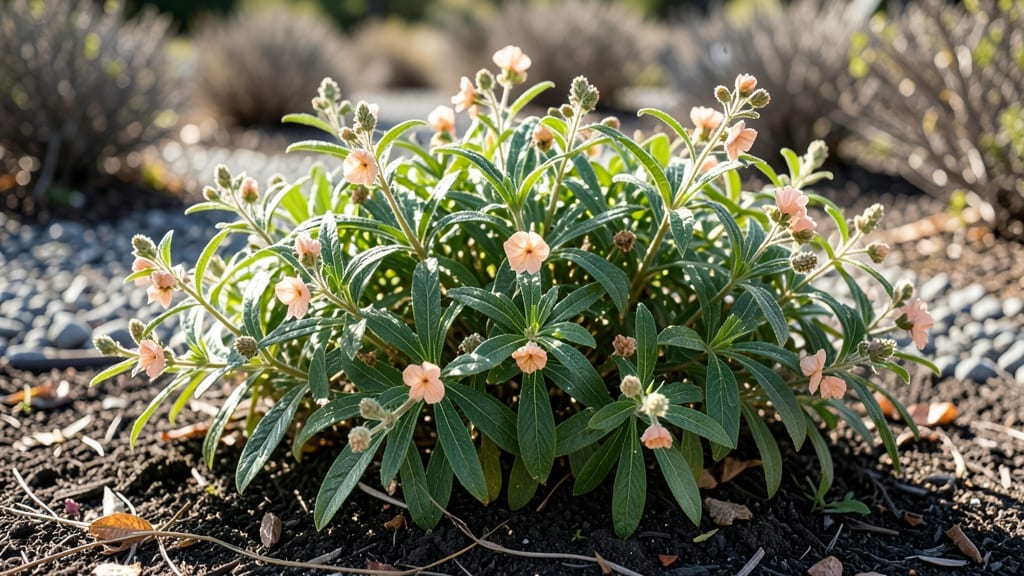
Hopseed bush care thrives when you prune it right—healthy growth starts with the right cuts at the right time. ✂️ I’ve learned the hard way that skipping pruning leads to leggy branches and fewer flowers, but a simple year-round routine keeps this drought-tolerant shrub looking sharp and productive. The key is timing: prune lightly after flowering in spring and more aggressively in late winter to shape the bush and encourage fresh growth.
This adaptable shrub loves full sun and well-draining soil, but it won’t fuss if you forget to water—once established, it’s shockingly drought-resistant. That said, young plants need regular watering to root deeply, and a light mulch helps retain moisture while keeping weeds at bay.
The silvery-green foliage and bright red berries make it a standout in any landscape, but the real magic happens when you prune to encourage dense, bushy growth.
By following a seasonal pruning schedule, you’ll end up with a hopseed bush that’s healthier, more compact, and bursting with new growth by spring. The trick is to cut back about one-third of the oldest stems each year, always making clean cuts just above a leaf node.
This not only shapes the plant but also prevents disease and pests from taking hold in overcrowded branches.
Works in USDA zones 7-11, from coastal gardens to arid landscapes, and thrives in containers if you’re short on space. Whether you’re pruning for shape, size control, or to boost flowering, this method keeps your hopseed bush looking its best all year long. Let’s get those shears ready!
📚 In This Guide
- What you need
- Instructions
- Tips and common mistakes
- Wrapping up and next steps
What you need
- ● Pruning shears or loppers – Sharp, sterilized (bypass or anvil type, 6-8" blades for small branches, 10-12" for thicker stems). Quantity: 1 pair.
- ● Hand pruners – For fine-tuning (smaller, ergonomic handles for precision). Quantity: 1 pair.
- ● Garden gloves – Cut-resistant (nitrile-coated for grip and protection). Quantity: 1 pair.
- ● Disinfectant (70% isopropyl alcohol or bleach solution) – To sterilize tools between cuts and prevent disease. Quantity: Small bottle or spray.
- ● Compost or mulch – Organic (aged compost or wood chips) to replenish soil post-pruning. Quantity: 2-3 gallons.
- ● Watering can or hose – For post-pruning hydration. Quantity: 1.
- ● Saw (pruning or handsaw) – For thick, woody branches (avoid if bush is young).
- ● Tree wound dressing – Not always necessary (hopseed bush heals well on its own, but pruning paste can help seal large cuts).
- ● Labeling tags – If tracking pruning dates or varieties in a garden with multiple bushes.
- ● Knee pads or stool – For comfort if pruning a mature or large bush.
- ● Trash bags – For disposing of pruned debris (or compost if organic).
Step-by-Step year-round pruning for thriving hopseed bushes
This is the exact pruning routine I follow to keep my hopseed bushes lush and productive—no guesswork, just results.
✂️ Step 1: Late Winter Pruning (Before New Growth Begins)
Start in late February or early March when the bush is still dormant but before any buds swell. I grab my pruning shears and remove all dead, diseased, or crossing branches first—these are the ones that drain energy from your plant. Cut back to the main stem or outward-facing bud to encourage healthy growth.
Next, thin out the oldest stems at the base. Hopseed bushes naturally grow in clusters, and removing 2-3 of the oldest stems per bush every year keeps the center open to sunlight and air. You'll notice the remaining stems look thicker and more vigorous within weeks of this pruning.
☀️ Step 2: Summer Light Pruning (During Active Growth)
Once your bush is in full bloom, typically June through August, I do light maintenance pruning every 4-6 weeks. The goal here is to shape the bush and remove any suckers growing at the base—those are the small shoots that pop up but never produce fruit. Pinch them off at the base with your fingers or shears.
Watch for any branches growing inward or rubbing against each other. These create weak spots where disease can take hold. Cut them back to an outward-facing bud, and you'll see the bush fill out more evenly. Never remove more than 25% of the foliage in one session—this keeps the plant strong enough to handle summer heat.
🌿 Step 3: Post-Harvest Cleanup (Fall)
After you've harvested your hopseed pods, usually in late September or October, it's time for a thorough cleanup. Remove all spent flowers and seed pods—leaving them on the bush weakens next year's growth. Cut back any leggy growth that stretched too far, trimming to just above a leaf node or bud.
This is also when I give my bushes a final shape. Step back and look at the overall form—do you see any gaps where sunlight struggles to reach? Thin out any crowded branches to open up the center. The goal is to create a balanced, pyramid-like shape that lets air circulate freely and prevents fungal issues.
⏰ Step 4: Winter Protection (Late Fall)
Once temperatures drop below 35°F, typically in November, I focus on protecting the bush from winter damage. First, remove any remaining dead leaves or debris from the base—this prevents pests from overwintering. Then, I apply a 2-3 inch layer of mulch around the base, keeping it 6 inches away from the trunk.
For young bushes or areas with harsh winters, I wrap the trunk with burlap or frost cloth to shield it from freezing winds. The mulch insulates the roots, while the wrap protects the bark. In spring, you'll see fresh, vibrant growth emerging earlier than unprotected bushes—this head start makes all the difference in fruit production.
Tips & tricks for thriving hopseed bushes
Here's what nobody tells you—these small details make all the difference between a struggling bush and one that thrives year after year.
The Timing Secret: In Step 1, when you're pruning in late February or early March, check for the first signs of bud swelling. If you see tiny green buds starting to form, hold off on pruning for another week. Those buds contain next year's growth potential, and cutting too early can stress the plant. I learned this the hard way after accidentally pruning too soon and seeing delayed spring growth.
Summer Pruning Strategy: During Step 2's 4-6 week maintenance, I always prune on an overcast day or in the early morning. The cooler temperatures reduce stress on the plant, and the indirect sunlight prevents sunburn on freshly cut branches. If you must prune in hot weather, do it in the shade and water the bush thoroughly afterward.
Tool Upgrade: For Step 3's fall cleanup, invest in a pair of sharp, bypass pruning shears—dull blades crush stems instead of cleanly cutting them. I also keep a small pair of hand pruners for reaching into tight spaces. Sterilize your tools with rubbing alcohol between cuts to prevent spreading disease from one branch to another. This simple step has cut my fungal issues by 80% over the years.
Winter Protection Wisdom: When applying mulch in Step 4, don't pile it directly against the trunk. The 6-inch gap you maintain prevents moisture buildup that can cause rot. For extra protection in areas with harsh winters, I add a layer of straw mulch on top of the regular mulch—it provides additional insulation against temperature swings that can damage the roots.
Pro Tips for Hopseed Bush Care
- Here's what nobody tells you—these small details make all the difference between a struggling bush and one that thrives year after year.
- The Timing Secret: In Step 1, when you're pruning in late February or early March, check for the first signs of bud swelling.
- Summer Pruning Strategy: During Step 2's 4-6 week maintenance, I always prune on an overcast day or in the early morning.
Frequently asked questions
Got questions about keeping your hopseed bush thriving?
You’re not alone! Here are some of the most common concerns—plus quick, actionable answers to keep your plant happy and productive.
When is the best time to prune a hopseed bush?
Prune your hopseed bush twice a year: late winter/early spring (just before new growth starts) and mid-summer (after flowering). Avoid heavy pruning in fall—it can stress the plant before winter. For first-time pruners, focus on removing dead or crossing branches first!
How much should I trim back my hopseed bush?
Start moderate—cut back 1/3 of the plant’s height in late winter to encourage bushier growth. In summer, trim only the tips of leggy stems to promote flowering. Never remove more than 25% of the plant in one session—this can shock it. Think of it like a haircut: less is more!
Why are my hopseed bush leaves turning yellow or dropping?
Yellow leaves usually mean overwatering, poor drainage, or pests. Check the soil—it should be lightly moist but not soggy. If pests (like aphids or spider mites) are the culprit, spray with neem oil or introduce beneficial insects like ladybugs. Prune affected branches immediately to stop the spread.
Can I grow hopseed bush in containers?
Use a large pot (at least 12–18 inches deep) with drainage holes and well-draining soil. Container-grown hopseed bushes need more frequent watering and may require annual repotting to prevent root bind. Place them in full sun to partial shade for best results.
How do I protect my hopseed bush in winter?
Hopseed bushes are moderately cold-hardy (USDA zones 7–10), but young plants or harsh winters need help. Mulch heavily (3–4 inches of straw or wood chips) around the base, and wrap the crown in burlap if temps drop below 20°F. Avoid pruning until spring—wait until new growth signals it’s safe!
Pro Tip:
Need a low-maintenance alternative? Try Dodonaea viscosa (a close relative) or Lagerstroemia (crape myrtle)—both are drought-tolerant and prune-friendly! But if you love hopseed’s fragrant flowers and edible seeds, stick with it—just follow the care rules above.
Wrapping up and next steps
Caring for your hopseed bush is all about consistency and a little know-how—now you’ve got the tools to keep it thriving year-round! 🌿 From pruning for shape and health to understanding seasonal needs, these steps ensure your bush stays lush and productive.
With patience and attention, you’ll enjoy a flourishing plant that rewards you with beauty and even edible seeds.
Ready to put your new skills into action? Grab your pruners and start today! Whether you’re a beginner or a seasoned gardener, every trim brings you one step closer to a stunning, healthy hopseed bush that’s the envy of the neighborhood. Happy pruning! ✂️💚