
Propagation
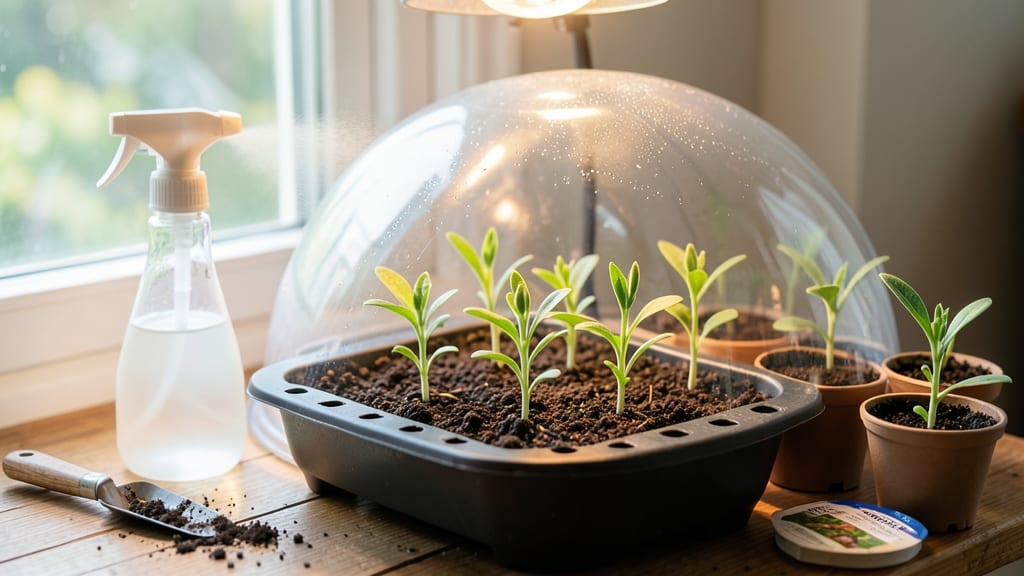
Growing snapdragons from seed indoors gives you a head start on vibrant blooms that'll make your garden the envy of the neighborhood. 🌱 I've learned that the secret to strong seedlings lies in timing, light, and a little patience—starting them indoors in early spring means you'll have towering plants with open faces by summer.
The process is simpler than it sounds: you'll need seed-starting mix, small pots, and a sunny windowsill (or grow light). Most people struggle with two things—keeping the soil moist without drowning the seeds and preventing leggy seedlings.
I'll show you how to avoid both with just a few adjustments to your setup. By the time you're ready to transplant, your snapdragons will be stocky and ready to handle outdoor conditions. The payoff?
Blooms that start in 8-10 weeks after sowing, giving you a full season of color when others are still waiting for their first flowers. Whether you're working with a south-facing window or a grow light setup, this method works for any indoor space. Let's get those seeds started!
📚 In This Guide
- What you need
- Instructions
- Tips and common mistakes
- Wrapping up and next steps
What you need
- ● Snapdragon seeds – Choose heirloom or hybrid varieties (e.g., 'Rocket,' 'Black Prince,' or 'Matrix'). Aim for 10-20 seeds per tray for a full display.
- ● Seed-starting trays or small pots – 2-4 inch deep with drainage holes (biodegradable peat pots work too!).
- ● Seed-starting mix – A lightweight, sterile soilless mix (e.g., 50% peat moss, 30% perlite, 20% vermiculite). Avoid garden soil—it’s too dense!
- ● Grow lights or a sunny windowsill – Snapdragons need 12-16 hours of light daily. A full-spectrum LED grow light (12-18 inches above seeds) is ideal if natural light is limited.
- ● Spray bottle – For gentle watering (avoid drowning seeds!).
- ● Plastic wrap or humidity dome – To retain moisture while seeds germinate.
- ○ Heat mat (optional but helpful) – Keeps soil 70-75°F to speed up germination (especially in cooler climates).
- ● Fertilizer – A balanced liquid fertilizer (5-5-5 or 10-10-10) diluted to half-strength, applied after germination.
- ● Thermometer/hygrometer – Monitors soil temp and humidity for optimal growth.
- ● Tweezers or popsicle sticks – For delicate seed handling or transplanting.
- ● Label markers – To track seed varieties and planting dates.
- ● Fungicide (like neem oil or hydrogen peroxide) – Prevents damping-off disease in humid conditions.
Step-by-step instructions for growing snapdragons indoors
Here's how to get vibrant snapdragons blooming on your windowsill—no greenhouse needed.
🌱 Step 1: Prepare Seed Trays and Planting Mix
Fill your seed trays with the sterile seed-starting mix (never garden soil—it's too dense and may harbor fungus). Press the mix down lightly so it's firm but not compacted. You want air pockets gone but roots able to push through easily. I like to tap the tray gently on the table to settle everything evenly.
Moisten the mix with lukewarm water until it feels like a damp sponge—squeeze a handful and it should hold together without dripping. Avoid oversaturating, as soggy soil invites rot. Spread the 1 packet of snapdragon seeds on a flat surface and tap the packet gently to release them one at a time. Planting too many seeds in one spot leads to weak, crowded seedlings later.
🌱 Step 2: Sow Seeds and Create Ideal Germination Conditions
Scatter the seeds ¼ inch deep—about the width of a dime—across the tray. Cover them lightly with a thin layer of additional mix, just enough to shield them from light. Snapdragons need darkness to germinate, so don't press down too hard. Mist the surface gently with a spray bottle until evenly damp, not soaking.
Cover the tray with a clear plastic dome or plastic wrap to trap warmth and moisture. Place it in a warm spot (70-75°F)—a sunny windowsill or on top of a refrigerator works well. Check daily for condensation on the dome; if it's foggy, the humidity is perfect. Germination takes 7-14 days, so patience is key. Once you see the first green sprouts, remove the dome immediately to prevent damping-off disease.
☀️ Step 3: Provide Light and Thin Seedlings
Move the tray to a bright, sunny windowsill as soon as sprouts emerge. South-facing windows deliver the most light, but east or west works too. If your windowsill isn't bright enough, supplement with a grow light placed 2-3 inches above the seedlings. You'll know your light is sufficient when seedlings grow compact and dark green, not leggy and pale.
When seedlings have 2-3 true leaves (the first set are cotyledons), it's time to thin. Use small scissors to snip the weakest seedlings at soil level, leaving the strongest 2 inches apart. This prevents overcrowding and gives remaining plants room to grow. Water gently from the bottom by placing the tray in ½ inch of water for 10 minutes—this keeps roots moist without disturbing seedlings.
🌿 Step 4: Fertilize and Harden Off for Transplanting
After 4 weeks, when seedlings have 4-5 true leaves, start fertilizing with a balanced liquid fertilizer (like 10-10-10) diluted to half strength. Apply it every 2 weeks to encourage strong growth. Snapdragons are heavy feeders, so don't skip this step—it's what gives them those bold blooms. Water deeply 2 days before fertilizing to avoid burning tender roots.
Two weeks before your last frost date, begin hardening off. Place the tray outside in a shaded, sheltered spot for 1-2 hours the first day. Gradually increase time and sun exposure over 10-14 days, ending with a full day outdoors. This toughens seedlings so they survive transplant shock. Watch for wilting or yellowing leaves—if you see these, they're not ready yet and need more time.
🪴 Step 5: Transplant and Maintain for Blooms
Transplant seedlings to their final outdoor location after all danger of frost has passed. Space them 12-18 inches apart in well-draining soil—snapdragons hate soggy feet. Dig a hole twice as wide as the root ball and mix in a handful of compost to boost nutrients. Water deeply at planting to settle the soil and remove the tray from the pot.
After transplanting, keep soil evenly moist but not soggy. Mulch around plants with 1-2 inches of organic mulch to retain moisture and suppress weeds. Deadhead spent blooms regularly to encourage more flowers. With proper care, you'll see colorful blooms in 6-8 weeks—worth every step!
Tips & tricks for growing snapdragons indoors
Here's the secret to turning your windowsill into a thriving snapdragon garden—without the guesswork.
Seed Spacing Strategy: When planting your 1 packet of snapdragon seeds, resist the urge to scatter them densely. Instead, space them about 1 inch apart in the tray. This gives you room to thin later without disturbing the roots of remaining seedlings. I've learned the hard way that crowded seeds compete for nutrients, leading to weak, leggy plants that struggle to bloom.
Germination Temperature Tip: The 70-75°F warmth mentioned for germination is crucial, but here's what nobody tells you—consistency matters more than exact degrees. If your home runs cooler, place the tray on top of your refrigerator (not inside) or use a seedling heat mat. The key is maintaining steady warmth; fluctuations can delay or prevent germination entirely.
Lighting Hack for Small Spaces: South-facing windows are ideal, but if you're working with limited light, a simple LED grow light makes all the difference. Position it 2-3 inches above your seedlings and run it for 12-14 hours daily. I've seen snapdragons thrive under these lights even in north-facing windows. Just rotate the tray daily so all sides get even exposure—this prevents lopsided growth.
Thinning Technique: When it's time to thin your seedlings to 2 inches apart, use a pair of clean, sharp scissors instead of pulling. Snipping at soil level prevents disturbing the roots of your kept plants. I also recommend thinning on a cloudy day—the reduced light stress helps the remaining seedlings recover faster. This small step makes a huge difference in their long-term health and flowering potential.
Pro Tips for Grow Snapdragons From Seed Indoors
- Here's the secret to turning your windowsill into a thriving snapdragon garden—without the guesswork.
- Seed Spacing Strategy: When planting your 1 packet of snapdragon seeds, resist the urge to scatter them densely. Inst...
- Germination Temperature Tip: The 70-75°F warmth mentioned for germination is crucial, but here's what nobody tells yo...
Frequently asked questions
Got questions about growing snapdragons from seed indoors? You’re not alone—here are answers to the most common ones to help you succeed!
When is the best time to start snapdragon seeds indoors?
Start seeds 6–8 weeks before your last expected frost date. For most gardeners, this means sowing in late winter or early spring. Snapdragons thrive with cooler temperatures, so avoid starting too early—heat can stunt germination or cause leggy seedlings.
Do snapdragons need light to germinate?
Yes! Snapdragon seeds require light to sprout—don’t bury them deep. Press them lightly into the soil (just enough to cover them) and place the tray under a grow light or sunny window. Keep the soil consistently moist but not soggy until germination (usually 7–14 days).
Why aren’t my snapdragon seeds sprouting?
Check these common issues:
- Temperature: Seeds need 60–70°F (15–21°C) to germinate. Use a heat mat if your home is too cool.
- Moisture: Keep soil damp—not waterlogged. Try misting instead of pouring.
- Light: Seeds need light to break dormancy. Move them to a brighter spot.
- Fresh seeds: Old seeds (over 1 year) may fail. Test a few seeds in a separate tray.
Can I grow snapdragons from seed in small spaces or containers?
Snapdragons adapt well to containers as long as they have:
- At least 6-inch-deep pots (they have long taproots).
- Good drainage (use a mix of potting soil and perlite).
- Space to thin seedlings—2–3 inches apart after germination.
For small windowsills, use shallow trays and transplant seedlings into larger pots once they’re 2–3 inches tall.
How long does it take for snapdragons to flower after indoor starts?
With proper care, snapdragons can bloom 8–12 weeks after sowing. However, timing depends on:
- Variety (dwarf types flower faster than tall ones).
- Light exposure (14+ hours of light/day speeds growth).
- Temperature (cooler nights encourage budding).
Pinch back leggy seedlings to encourage bushier growth and more blooms!
Wrapping up and next steps
Growing snapdragons from seed indoors is a rewarding journey that brings vibrant blooms to your garden—and you’ve got this! 🌱 With the right setup, patience, and care, you’ll watch tiny seeds transform into cheerful flowers in just 6-8 weeks.
Once your seedlings are sturdy and ready, the next logical step is hardening them off before transplanting outdoors—so grab those gloves and get ready to nurture your garden’s next star!