Succulent
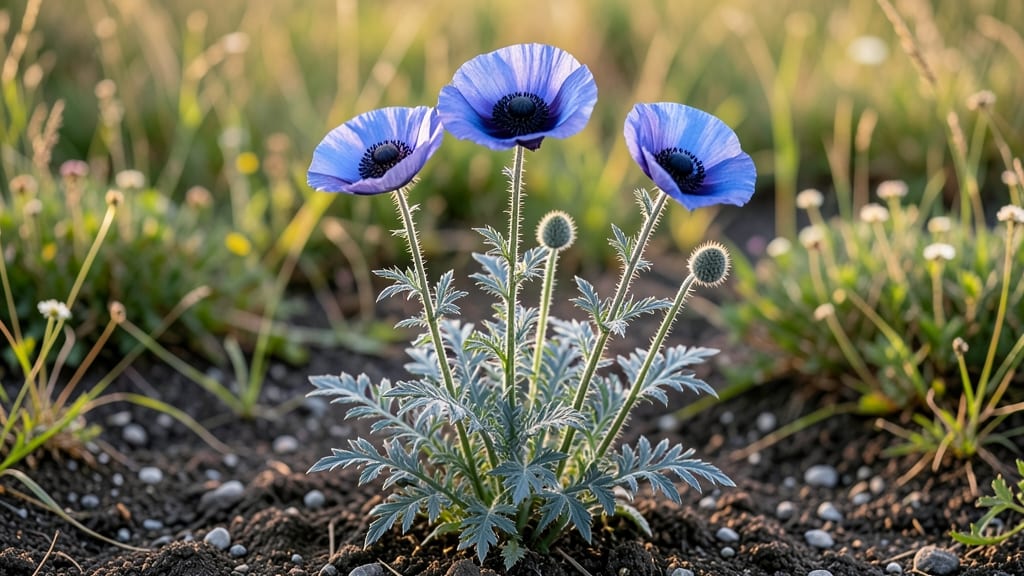
Growing Hungarian Blue Breadseed Poppy means finally getting those iconic, twist-free poppy seeds without the frustration of tangled stems. 🌱 I’ve learned the hard way that most poppy varieties twist their seed heads before harvest—this one stays straight, making seed collection a breeze.
The secret lies in the right timing, soil prep, and a little patience during the growing season. This poppy thrives in cool climates but adapts well to warm zones if sown early.
You’ll need well-draining soil (mix in sand if yours is heavy) and a spot with full sun—at least 6-8 hours daily. The key is sowing seeds ½ inch deep in early spring or late summer, then letting nature take over with minimal interference.
By late summer, you’ll see those classic blue-green seed pods standing tall and straight, ready for harvest. The seeds themselves are perfect for baking, bird feeders, or saving for next year’s garden. Just wait until the pods turn brown and papery before collecting.
For beginners, the biggest challenge is bolting—when plants flower too early. To prevent this, keep soil consistently moist (but not soggy) and avoid overcrowding. With the right approach, you’ll end up with a reliable seed source and stunning ornamental plants that bloom from early summer until frost.
📚 In This Guide
- What you need
- Instructions
- Tips and common mistakes
- Wrapping up and next steps
What you need
- ● Hungarian Blue Breadseed Poppy seeds – 1 packet (approx. 1,000-2,000 seeds, depending on desired yield). Choose high-quality, heirloom seeds for the best results.
- ● Well-draining potting mix – 10-15 lbs (for planting). Opt for a blend with perlite or sand to prevent root rot.
- ● Containers or garden beds – 5-10-inch deep pots (for indoor growing) or a sunny, open garden spot (for outdoor planting). Ensure they have drainage holes.
- ● Watering can or spray bottle – For gentle hydration. Avoid overwatering to prevent seedling issues.
- ● Pruning shears or scissors – Sharp, clean tools for harvesting seed pods.
- ● Drying trays or paper towels – To spread seeds for drying. A mesh screen or parchment paper works well.
- ● Storage containers – Airtight jars or envelopes (e.g., mason jars or seed-saving envelopes) for long-term seed storage.
- ● Labeling tags – To mark varieties and harvest dates. Waterproof labels are ideal for outdoor gardens.
- ● Grow lights – If starting indoors in low-light conditions. Use full-spectrum LEDs for optimal growth.
- ● Organic compost or fertilizer – A balanced, low-nitrogen mix (e.g., fish emulsion or worm castings) to boost seed production.
- ● Humidity dome or plastic wrap – To create a mini greenhouse effect for seedlings.
- ● Seed-saving book or journal – To track harvest dates, germination rates, and notes on your poppy’s performance.
- ● Fine mesh bag or breathable fabric – For collecting seeds directly from dried pods without spills.
Step-by-step guide to growing hungarian blue breadseed poppy
Here's how to cultivate these stunning blue poppies from seed to harvest—without the frustrating seed twists that ruin so many crops.
🌱 Step 1: Start Seeds Indoors for Early Blooms
Begin seeds indoors 6-8 weeks before your last frost date, using sterile seed-starting mix in small pots or cells. Poppy seeds germinate best in consistent warmth (70-75°F)—place them on a seedling heat mat if your home runs cooler. Scatter seeds ¼ inch deep since they're tiny and need light to germinate properly.
Keep the soil evenly moist but never soggy—poppy seeds rot quickly if overwatered. Cover with plastic wrap to maintain humidity until germination, which typically occurs in 7-14 days. Remove the wrap immediately once sprouts appear to prevent damping-off. You'll notice the first true leaves emerging as small, rounded cotyledons before the classic poppy foliage develops.
☀️ Step 2: Harden Off and Transplant After True Leaves Form
When seedlings develop 3-4 true leaves (about 4-6 weeks after sowing), they're ready for hardening. Move them outdoors to a shaded, sheltered spot for 1-2 hours the first day, gradually increasing exposure over 7-10 days. Poppies hate transplant shock, so avoid moving them until roots are well-established.
Choose a sunny location with full sun (6+ hours daily) and well-draining soil. Poppies despise soggy roots, so amend heavy soil with compost and coarse sand to improve drainage. Space plants 12-18 inches apart—they'll reach 2-3 feet tall at maturity. Water deeply at transplanting to settle the soil around roots, then let the soil dry slightly between waterings to encourage strong root growth.
✂️ Step 3: Monitor Growth and Prevent Seed Twisting
The key to twist-free poppy seeds lies in proper pollination control. Once flowers open fully, remove all but one or two blooms per plant to direct energy toward seed development. Watch for honeybee activity—these pollinators are essential for seed set. If you notice flowers wilting without setting seed, hand-pollinate by gently transferring pollen with a small brush between blooms.
When seed pods form, harvest them before they fully dry on the plant. The pods should be plump but still slightly green—this ensures maximum seed viability. Twisting occurs when pods dry unevenly; harvesting early prevents this. Lay pods on a mesh screen in a dry, well-ventilated area for 2-3 weeks to finish drying. Shake pods daily to release seeds as they mature.
🪴 Step 4: Store and Test Seed Viability
Once pods are completely dry and brittle, crack them open to remove seeds. Store them in paper envelopes (not plastic) in a cool, dark place where they'll remain viable for 2-3 years. Poppy seeds are sensitive to moisture—never store them in humid conditions or they'll lose viability quickly.
Before planting next season, test seed viability by placing 10 seeds on damp paper towels in a sealed container. Keep them in warmth (70-75°F) and check daily. If 70% or more sprout within 10 days, your seeds are ready for planting. This simple test saves you from wasting time on old, non-viable seeds.
Tips & tricks for growing hungarian blue breadseed poppies
Between us, these delicate blue poppies have a few quirks that'll make or break your harvest—here's how to avoid the pitfalls I learned the hard way.
Warmth is Non-Negotiable: That 70-75°F temperature range during germination isn't just ideal—it's critical. I've seen poppy seeds take 21 days to germinate when kept at 60°F instead of the recommended warmth. Use a seedling heat mat if your home runs cooler, and never let the soil temperature drop below 65°F during this phase. The seeds need consistent warmth to activate their germination enzymes properly.
Harden Off Gradually: The 1-2 hour outdoor exposure on the first day might seem short, but this gradual approach prevents transplant shock that can stunt your poppies. I've seen seedlings wilt dramatically when moved too quickly—start with just 30 minutes if your climate is particularly harsh. Watch for wilting or yellowing leaves as your signal to extend exposure. The goal is to let the plants acclimate to outdoor conditions without overwhelming them.
Pollination Strategy: Those one or two blooms per plant aren't arbitrary—they force the plant to concentrate its energy on seed development rather than producing excess flowers. I've found that removing additional blooms actually increases the size of the remaining seed pods. For hand-pollination, use a small makeup brush rather than your fingers to avoid crushing delicate stamens. Timing matters too: pollinate in the morning when flowers are fully open and pollen is most abundant.
Drying Technique: The 2-3 weeks drying period on mesh screens might seem long, but rushing this step is what causes those frustrating seed twists. I've learned to check pods daily during this time—when they're completely dry, they'll rattle when shaken. Store them in paper envelopes immediately after drying to maintain their viability. The key is creating a consistent drying environment where air circulates evenly around all pods.
Pro Tips for Hungarian Blue Breadseed Poppy
- Between us, these delicate blue poppies have a few quirks that'll make or break your harvest—here's how to avoid the pitfalls I learned the hard way.
- Warmth is Non-Negotiable: That 70-75°F temperature range during germination isn't just ideal—it's critical.
- Harden Off Gradually: The 1-2 hour outdoor exposure on the first day might seem short, but this gradual approach prevents transplant shock that can stunt your poppies.
Frequently asked questions
Hungarian blue breadseed poppy
is a stunning and versatile plant, but growers often have questions about its care, harvesting, and seed-saving. Here are some of the most common queries—and their answers—to help you master this twist-free beauty!
When is the best time to harvest Hungarian blue breadseed poppy seeds?
The ideal time to harvest seeds is when the seed pods turn from green to a dry, papery brown—usually late summer to early fall. Wait until the pods split open naturally (or gently twist them off) to collect the deep blue-black seeds inside. Avoid harvesting too early, or the seeds won’t be fully mature!
How long does it take for Hungarian blue breadseed poppy to grow from seed to harvest?
From seed to seed maturity, this poppy typically takes 90–120 days in optimal conditions (full sun, well-draining soil, and moderate water). Early blooms may appear in 6–8 weeks, but full seed ripening requires patience—don’t rush it!
Can I save seeds from store-bought Hungarian blue breadseed poppy?
Yes, but with a catch! Store-bought seeds may be hybridized for uniform color or size, meaning saved seeds might not produce the same vibrant blue as the parent plant. For true-to-type seeds, source from reputable seed savers or organic farms.
What’s the trick to preventing seed pods from twisting before harvest?
Twisting (or "shattering") happens when pods dry too quickly. To avoid this, thin seedlings early (12–18 inches apart) for airflow, and water deeply but infrequently as they mature. Mulch lightly to retain even moisture—this keeps pods plump and less prone to snapping!
Are there alternatives to Hungarian blue breadseed poppy for seed-saving?
Try these easy-to-save poppy varieties:
- California Poppy (Eschscholzia californica): Bright orange, drought-tolerant, and self-seeding.
- Iceland Poppy (Papaver nudicaule): Cold-hardy with pastel blooms; seeds store well.
- Opium Poppy (Papaver somniferum): Note: Legal restrictions apply—check local laws!
Wrapping up and next steps
Mastering the art of saving Hungarian blue breadseed poppy seeds twist-free isn’t just rewarding—it’s a celebration of nature’s resilience! With the right timing, tools, and techniques, you’ll unlock a bountiful harvest year after year. Now’s your chance to put these secrets into action.
🌱 Your Next Step:
- Start small—grow a patch this season and practice your seed-saving skills.
- Share your harvest with fellow gardeners or local markets (if legal in your area!).
- Experiment with drying methods or storage tips to refine your process.
Every twist-free seed you save is a step toward self-sufficiency and sustainability. Happy growing! 🌿