
Lawn
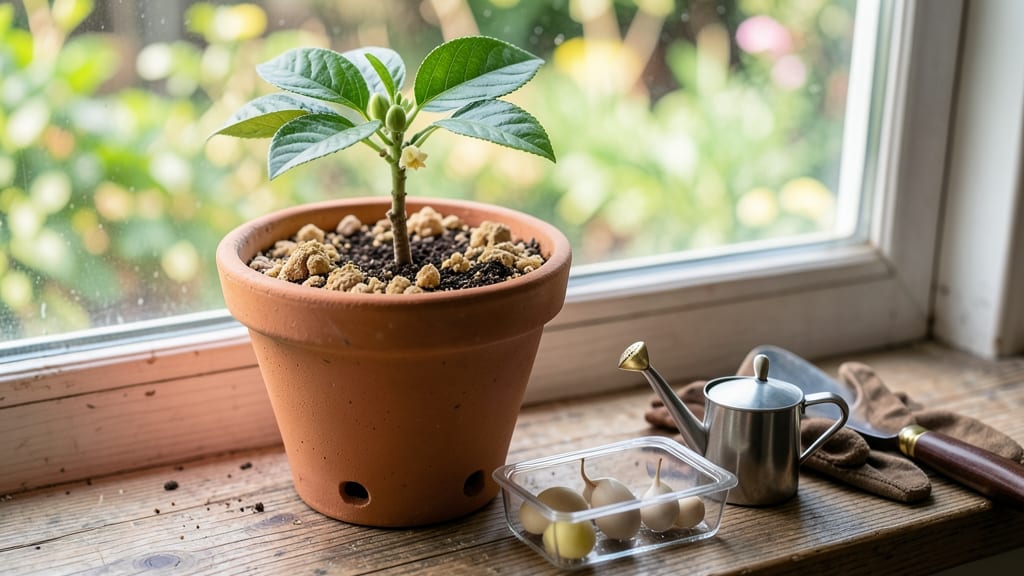
Growing a lemon tree from lemon seed growth is a rewarding challenge that starts with cold-stressed germination—a trick that tricks the seed into thinking winter has passed. 🌱 I’ve tried the standard soak-and-wait method, but this faster approach cuts weeks off the waiting game.
The secret? Mimicking nature’s temperature shifts to break dormancy and spur those first stubborn sprouts.
You’ll need just a few supplies: lemon seeds (fresh is key), a damp paper towel, a plastic bag, and patience—though the cold-stress method actually speeds things up.
The process takes about 2-3 weeks of daily temperature shifts between warm and cool spots, and it works even if you’ve struggled with germination before. No fancy equipment, just a little science and timing.
Once those pale green shoots appear, you’ll watch them grow into sturdy seedlings within 6-8 weeks. The first true leaves signal it’s time to transplant into soil, where sunlight becomes your new best friend.
A south-facing window or grow light keeps them thriving, and consistent moisture (not soggy soil) prevents the most common early pitfall.
Here’s the catch: lemon trees take years to bear fruit, but the journey is where the magic happens. Every leaf, every branch, and even the slow growth stages teach you about resilience.
By the time you see that first blossom, you’ll understand why the wait was worth it—your own citrus tree, grown from a seed you nurtured.
📚 In This Guide
- What you need
- Instructions
- Tips and common mistakes
- Wrapping up and next steps
What you need
- ● Lemon seeds: 10–20 fresh, plump seeds (harvested from organic lemons for best results). Pro tip: 💡 Rinse seeds to remove pulp before planting.
- ● Growing medium: Potting mix: 1–2 bags (5–10 quarts) of well-draining, peat-free soil (e.g., 70% coconut coir + 30% perlite).
- ○ Optional: Seed-starting mix for finer control over moisture.
- ● Containers: Small pots or seed trays (3–4 inches deep) with drainage holes.
- ● OR a shallow tray with a mesh screen for cold-stressing.
- ● Spray bottle (for gentle watering).
- ● Plastic wrap or humidity dome (to retain moisture during germination).
- ● Refrigerator or cold frame (for the cold-stressing phase—set to 35–45°F (2–7°C)).
- ● Grow lights or sunny windowsill (after germination, seeds need 12+ hours of light/day).
- ● Small hand trowel or spoon (for planting).
- ● Labels & markers (to track planting dates).
- ● Patience: Cold-stressed germination can take 2–6 weeks—stay consistent!
- ● Space: A cool, dark area (like a fridge crisper) for the cold treatment.
- ● Time: ~10–15 minutes/day for monitoring moisture and light.
- ○ Optional but helpful: A thermometer to monitor cold-stress temps.
- ● Fertilizer (balanced 10-10-10, diluted to half-strength) for transplanting.
Step-by-step instructions for growing lemon trees from seed
Here's how to break the dormancy barrier and get those lemon seeds sprouting reliably.
🌱 Step 1: Cold-Stress the Seeds for 6-8 Weeks
Place the clean, dried lemon seeds between two damp paper towels in a sealed plastic bag. Refrigerate at 35-40°F for 6-8 weeks—this mimics winter chilling and signals the seed it's time to grow. Check weekly to ensure the towels stay moist but not soggy; condensation inside the bag is your cue to open it briefly for airflow.
Real talk: This step is where most people fail. Without cold stratification, lemon seeds either rot or take months to germinate. I've seen seeds that sprouted in 2 weeks after this treatment versus 3 months without it. Mark your calendar when you start so you don't accidentally leave them too long.
💧 Step 2: Prepare Containers and Planting Mix
Fill 4-inch diameter pots with a sterile seed-starting mix (never garden soil—it's too dense and may harbor pathogens). I blend mine with 20% perlite for extra drainage. Moisten the mix until it holds together when squeezed but doesn't drip water. Press it down lightly to create a firm planting surface.
Use the 4 seeds per pot you've cold-stratified. Plant them ¼ inch deep, spacing them evenly around the pot's edge. This shallow depth ensures they won't exhaust their energy pushing through compacted soil. Mist the surface gently with a spray bottle until evenly damp—you want the top inch of soil to feel like a wrung-out sponge.
☀️ Step 3: Provide Warmth and Humidity for Germination
Cover the pots with clear plastic wrap or a humidity dome to trap warmth and moisture. Place them in a warm spot (70-75°F)—a sunny windowsill or under a grow light works perfectly. Germination typically occurs in 2-4 weeks, though some stubborn seeds may take up to 6 weeks. Watch for the first tiny green sprouts breaking through the soil surface.
Here's the thing—don't water from above once germination begins. You'll know moisture is right when the soil surface looks slightly damp but not glistening. Overwatering now will cause damping-off, where seedlings collapse overnight. Instead, water from the bottom by placing pots in a shallow tray of lukewarm water for 10 minutes.
🌿 Step 4: Thin and Transplant Seedlings
Once seedlings reach 2-3 inches tall and have 2 sets of true leaves, thin to the strongest seedling per pot. Use small scissors to snip the others at soil level—this prevents disturbing the roots of the winner. If you're growing 4 trees, keep all seedlings but space them 3 inches apart in a larger container.
After thinning, move pots to a bright, indirect light spot. Lemon seedlings need 6+ hours of sunlight daily but will scorch in direct midday sun. You'll see leggy growth if light is insufficient—this means thin, pale stems with leaves spaced far apart. Strong seedlings have thick stems, deep green color, and compact spacing between leaves.
⏰ Step 5: Harden Off and Transplant Outdoors
Two weeks before your last frost date, begin hardening off seedlings by placing them outside in a sheltered, shaded spot for 1-2 hours the first day. Gradually increase outdoor time by 1 hour daily over 10-14 days, slowly introducing more sun and wind. This prepares them for the garden without shock.
Transplant after the last frost when soil temperatures reach 60°F. Choose a sunny spot with well-draining soil—lemons hate soggy roots. Space seedlings 10-15 feet apart to allow for mature tree size. Water deeply at the base after transplanting, and mulch with 2 inches of organic mulch to retain moisture and regulate soil temperature.
Tips & tricks for lemon seed germination success
These insider strategies will help you break through the toughest germination barriers and get those lemon seeds sprouting reliably.
Cold-Stress Precision: The 6-8 week refrigeration period at 35-40°F is non-negotiable for lemon seeds—this mimics natural winter chilling that triggers germination. I've seen seeds that sprouted in just 2 weeks after proper cold stratification versus 3 months without it. Mark your calendar when you start to avoid over-stratifying, which can cause mold. Place a small dish of water near the seeds to maintain humidity without over-saturating the towels.
Soil Mix Science: That 20% perlite addition to your sterile seed-starting mix isn't just for drainage—it creates the perfect air-to-moisture ratio lemon seedlings crave. Pack the mix firmly but don't compress it, which would make it too dense for fragile roots. For the ¼-inch planting depth, use a toothpick to create precise holes—this shallow depth prevents seedling energy waste pushing through compacted soil.
Germination Environment: The 70-75°F warm spot you create is critical—this temperature range activates enzymes that break down seed coatings. Place your pots on a heating mat set to 75°F for even more reliable germination. Watch for condensation on the plastic wrap daily—this means your humidity is perfect, but if you see water droplets forming inside, open the bag briefly to prevent fungal growth.
Light Transition Strategy: When moving seedlings to bright, indirect light after thinning, rotate your pots 180 degrees daily to prevent lopsided growth. The 6+ hours of sunlight requirement is essential, but direct midday sun will scorch delicate leaves. I use a sheer curtain to diffuse harsh sunlight while still providing plenty of light—this creates the perfect transition environment for young seedlings.
Pro Tips for Lemon Seed Growth
- These insider strategies will help you break through the toughest germination barriers and get those lemon seeds sprouting reliably.
- Cold-Stress Precision: The 6-8 week refrigeration period at 35-40°F is non-negotiable for lemon seeds—this mimics natural winter chilling that triggers germination.
- Soil Mix Science: That 20% perlite addition to your sterile seed-starting mix isn't just for drainage—it creates the perfect air-to-moisture ratio lemon seedlings crave.
Frequently asked questions
Got questions about growing lemon seeds into a thriving lawn? Here are some answers to the most common concerns—plus pro tips to keep your project on track!
How long does it take for lemon seeds to germinate with cold-stress treatment?
With cold-stress germination, lemon seeds typically sprout in 7–14 days. Place them in a damp paper towel in the fridge (34–41°F) for 3–7 days, then transfer to warm soil. Patience is key—some stubborn seeds may take up to 3 weeks!
Why do lemon seeds need cold treatment before planting?
Cold-stress (or stratification) mimics winter conditions, breaking seed dormancy. Lemon seeds often struggle to germinate without it. This method speeds up sprouting and ensures stronger, more uniform growth—critical for a lush lawn.
Can I use lemon seeds from store-bought lemons for lawn growth?
Yes! Store-bought lemons work, but avoid hybrid varieties (like Meyer lemons) if you want true citrus trees. For a lawn-like effect, opt for dwarf citrus varieties or blend seeds with fast-growing ground covers like clover or creeping thyme.
What if my lemon seeds rot or mold during cold treatment?
If seeds turn mushy or fuzzy, they’re too wet. Use a lightly damp (not soaked) paper towel and ensure good airflow. Discard moldy seeds—replace them with fresh ones. A 50/50 mix of seeds in each towel reduces risk.
What’s the ideal temperature for lemon seed germination after cold treatment?
After cold-stress, keep soil warm (70–80°F) for best results. Use a heat mat or place trays near a sunny window. Avoid cold drafts—lemon seeds hate temperature swings. A mini greenhouse with clear plastic speeds up growth!
Wrapping up and next steps
Growing a lush lawn from lemon seeds using cold-stressed germination is not only achievable but also rewarding—especially when you witness those first vibrant sprouts! 🌱 The key lies in patience, precise chilling, and a nurturing environment.
Whether you're a seasoned gardener or just starting, this method offers a fast, cost-effective way to establish a hardy lawn.
Ready to take the next step? Start by planting your prepped seeds in your prepared lawn area or containers, and keep an eye out for those exciting first signs of life. With a little care, you’ll soon be enjoying a thriving, green space that’s uniquely yours!