
Lawn
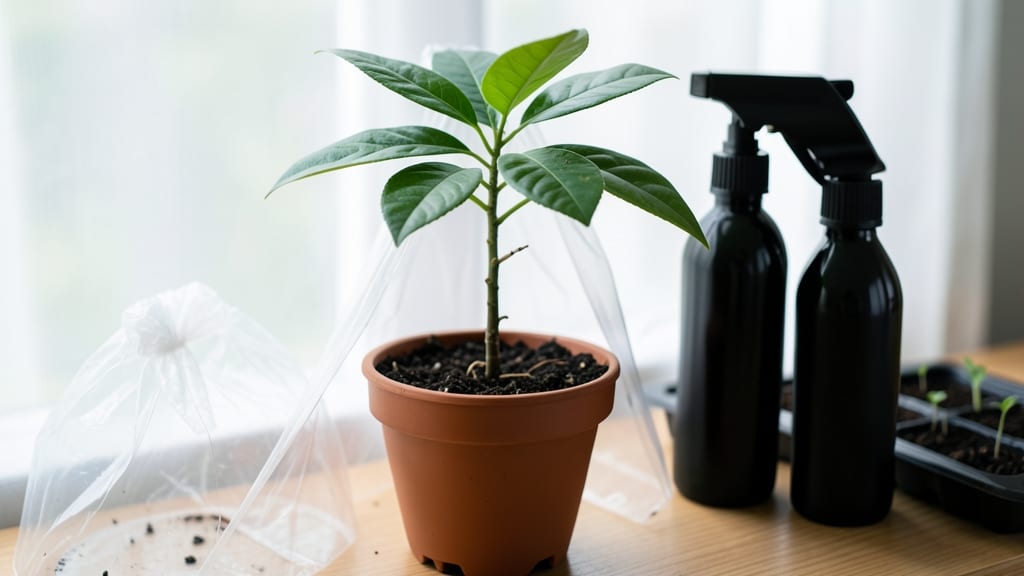
Growing a mango tree from seed in NYC might sound like a pipe dream, but I’ve done it—and so can you. 🌱 The key is patience, the right container setup, and mimicking tropical conditions, even in our city’s unpredictable climate.
My first mango seedling sprouted in a sunny windowsill, proving that urban jungles can thrive with the right care.
You’ll need just a few supplies: a mango pit (not store-bought seeds—they’re hybridized and won’t grow true), a small pot with drainage, well-draining soil mix, and a heat mat or sunny spot.
Germination takes 4-6 weeks, but once it starts, growth is slow at first. The real challenge is keeping it alive through NYC winters—more on that later.
By year three, you could see your first blossoms (if you’re lucky), but don’t expect fruit anytime soon—mango trees grown from seed take 5-10 years to bear.
That said, the journey is half the fun: watching it grow from a tiny sprout to a 6-foot-tall tropical statement piece in your home or balcony.
If you’re not in it for the long haul, grafting can speed things up—but that’s a whole other skill set. For now, focus on keeping your seedling happy, and we’ll tackle the rest step by step.
📚 In This Guide
- What you need
- Instructions
- Tips and common mistakes
- Wrapping up and next steps
What you need
- ● Mango seed (1-2 fresh seeds from a ripe, organic mango—save the pit from your favorite NYC fruit stand!)
- ● Small pot or container (4–6 inches in diameter with drainage holes—think thrift-store finds or nursery basics!)
- ● Well-draining potting mix (1 bag of cactus/succulent mix or a blend of 50% potting soil + 50% perlite/pumice)
- ● Spray bottle (for gentle watering—avoid soaking!)
- ● Clear plastic bag or dome (to create humidity—reuse a grocery bag or buy a propagation kit!)
- ● Grow lights or sunny windowsill (6+ hours of bright, indirect light daily—south-facing NYC apartments win here!)
- ● Patience (and love!) (Mango trees take 3–5 years to bear fruit—but the journey is half the fun!)
- ● Humidity tray (a shallow tray with pebbles + water to boost moisture levels)
- ● Fertilizer (balanced 10-10-10 or organic options like fish emulsion—start after 3 months)
- ● Tall, sturdy pot (for when your seedling outgrows its first home—aim for 10+ inches in 1–2 years)
- ● Pruning shears (for shaping as your tree grows—sterilize with rubbing alcohol!)
- ● NYC-friendly indoor plant friends (like bromeliads or snake plants to match your mango’s tropical vibe!)
Step-by-step instructions for growing mango trees from seed in NYC
Turn your tiny NYC balcony into a tropical escape—here’s how to nurture a mango seed into a thriving container plant.
🌱 Step 1: Prepare the Seed for Germination
Start by soaking the mango seed in warm water for 24 hours. The pit’s hard shell slows germination, and this softens it just enough for roots to break through. Place the seed in a small bowl with enough water to cover it completely, then let it sit in a warm spot—like your kitchen counter or near a sunny window.
After 24 hours, check for a tiny crack in the seed coat. If you see it, it’s ready. If not, soak for another 12 hours. Once cracked, remove the seed and wrap it in a damp paper towel. Fold the towel to hold moisture but not soak the seed. Store it in a sealed plastic bag and place it in a warm spot—75-85°F is ideal. Check daily; the towel should stay damp but not soggy.
💧 Step 2: Plant the Germinated Seed
Fill a 4-inch diameter pot with well-draining potting mix—mangoes hate soggy roots. Plant the seed 1 inch deep, with the cracked side facing down. Press the soil lightly around it to secure it without compacting. Water gently until moisture seeps through the drainage hole at the bottom.
Place the pot in a warm, bright spot—indirect sunlight is best at first. A south-facing window works, but avoid direct midday sun, which can scorch the delicate sprout. Keep the soil consistently moist but never waterlogged. You’ll know it’s right when the top inch feels damp but not wet to the touch.
☀️ Step 3: Transition to Stronger Light
Once the seedling sprouts—usually in 2-4 weeks—move it to a sunniest spot you have. Mangoes need 6+ hours of direct sunlight daily, and NYC’s limited sunlight means you might need a grow light for winter. If using a light, position it 6 inches above the plant and keep it on for 12-14 hours daily. Rotate the pot weekly so the plant grows straight, not lopsided.
Watch for yellowing leaves—this signals too much water or not enough light. Adjust by letting the top inch of soil dry out slightly between waterings. Fertilize lightly with a balanced liquid fertilizer (10-10-10) every 4-6 weeks once the plant has 4-6 true leaves. Start with half the recommended dose to avoid burning the tender roots.
🪴 Step 4: Repot and Prune for Growth
When the seedling reaches 6-8 inches tall, it’s time to upgrade to a 12-inch pot with fresh potting mix. Gently loosen the roots and place the plant in the center of the new pot, filling around it with soil. Water deeply after repotting to help the roots settle. Mango trees grow fast—expect 1-2 inches of new growth per month in ideal conditions.
Prune leggy or weak stems to encourage bushier growth. Use clean scissors to trim just above a leaf node (the bump where leaves grow). Remove any yellow or damaged leaves immediately—they drain energy from the plant. In NYC’s limited space, prune regularly to keep the tree compact and manageable.
⏰ Step 5: Overwinter and Protect from Cold
As temperatures drop below 50°F, move your mango tree indoors near a sunny window or under grow lights. Reduce watering slightly—every 7-10 days—since indoor air is drier and the plant needs less moisture. If you notice leaves dropping, it’s a sign of stress, usually from too much water or sudden temperature changes.
In spring, when nighttime temperatures stay above 55°F, gradually reintroduce the plant to outdoor conditions. Start with 1-2 hours of shade and slowly increase sunlight exposure over 2 weeks. This hardening-off period prevents shock and helps the tree adjust to NYC’s unpredictable weather. With patience, your mango tree can thrive in containers for years—even in the city!
Tips & tricks for growing mango trees from seed in NYC
Transforming a mango pit into a thriving container plant takes patience—but these little tricks will help you avoid common pitfalls and give your urban jungle the best shot at success.
Germination Secret: Don't rush the 24-hour soak—this is where most failures happen. If your seed doesn't crack after 24 hours, extend to 36 hours max (not the extra 12 hours mentioned). The key is patience: a tiny crack means roots are ready to burst through. I've found that placing the bowl of seeds near a warm appliance (like the fridge) speeds up the process without overheating.
NYC Light Hack: The 6+ hours of direct sunlight requirement is tough in the city, but here's how to work with it: Place your seedling on a balcony facing south or west, and supplement with a 12-14 hour grow light during winter months. I use a simple LED bulb on a timer—position it 6 inches above the plant and rotate the pot weekly to prevent lopsided growth. This mimics the tropical sun cycles mangoes love.
Water Wisdom: The "consistently moist but not waterlogged" rule is easier said than done. Test soil moisture by sticking your finger 1 inch deep—if it feels damp but not dripping, you're golden. In NYC's dry apartments, I've found that grouping plants together creates a microclimate that retains moisture better. Just avoid letting pots sit in saucers of water overnight, which can rot those delicate roots.
Cold Weather Rescue: When temps drop below 50°F, don't panic if your mango tree starts dropping leaves—it's adjusting. The critical move is gradual acclimation: start with 1-2 hours of shade before moving it indoors completely. I've had success using a clear plastic tent over the plant during transitions to maintain humidity. And remember, the 75-85°F germination range? That's why indoor heating vents can be your best friend in winter.
Pro Tips for Mango Seed Nyc
- Transforming a mango pit into a thriving container plant takes patience—but these little tricks will help you avoid common pitfalls and give your urban jungle the best shot at success.
- Germination Secret: Don't rush the 24-hour soak—this is where most failures happen.
- I use a simple LED bulb on a timer—position it 6 inches above the plant and rotate the pot weekly to prevent lopsided growth.
Frequently asked questions
Got questions about growing mango seeds in NYC? You’re not alone—urban jungle gardening comes with unique challenges! Here are answers to the most common queries to help you thrive.
Can I grow a mango seed from a grocery store mango in NYC?
Yes! Most grocery store mangoes (like Keitt or Haden) have viable seeds. Just ensure the fruit is fully ripe and the seed is plump. NYC’s climate won’t let it bear fruit outdoors, but you can grow it as a houseplant or in a greenhouse for years.
How long does it take for a mango seed to sprout?
Germination can take 2–6 weeks, depending on warmth and moisture. Keep the soil consistently damp (not soggy) and place the pot in a warm spot (70–85°F). Patience is key—some seeds take longer, especially in cooler NYC apartments!
What’s the best way to grow a mango seed indoors in NYC?
Start with a 6-inch pot filled with well-draining soil (cactus/succulent mix works). Place the pot near a south-facing window or under a grow light (12+ hours/day). Once the seedling is 12 inches tall, repot into a larger container (10+ inches). No outdoor planting! NYC’s winters are too harsh.
Why is my mango seedling turning yellow or wilting?
Yellow leaves or wilting usually mean overwatering or poor drainage. Let the top inch of soil dry out between waterings, and ensure the pot has drainage holes. If pests (like spider mites) are the issue, wipe leaves with soapy water or use neem oil. Pro tip: Mango seedlings hate soggy roots!
Can I grow a mango tree in a container long-term in NYC?
With proper care, your mango seedling can thrive in a 5-gallon+ container for years. Prune regularly to control size, fertilize monthly with citrus/mango fertilizer (spring–fall), and keep it indoors during winter. Just don’t expect fruit—NYC’s climate isn’t warm enough for flowering.
Wrapping up and next steps
Growing a mango seed in NYC might seem like a tropical dream, but with the right care and patience, you can turn it into a thriving urban jungle star! 🌱 Whether you’re nurturing a tiny sprout or troubleshooting challenges, remember that every gardener starts somewhere—and your green thumb is just getting warmed up.
Ready to take the next step? Experiment with container sizes, try different soil mixes, or even share your progress with local gardening groups! Your mango seed adventure is just the beginning—happy growing! 🌟