
Propagation
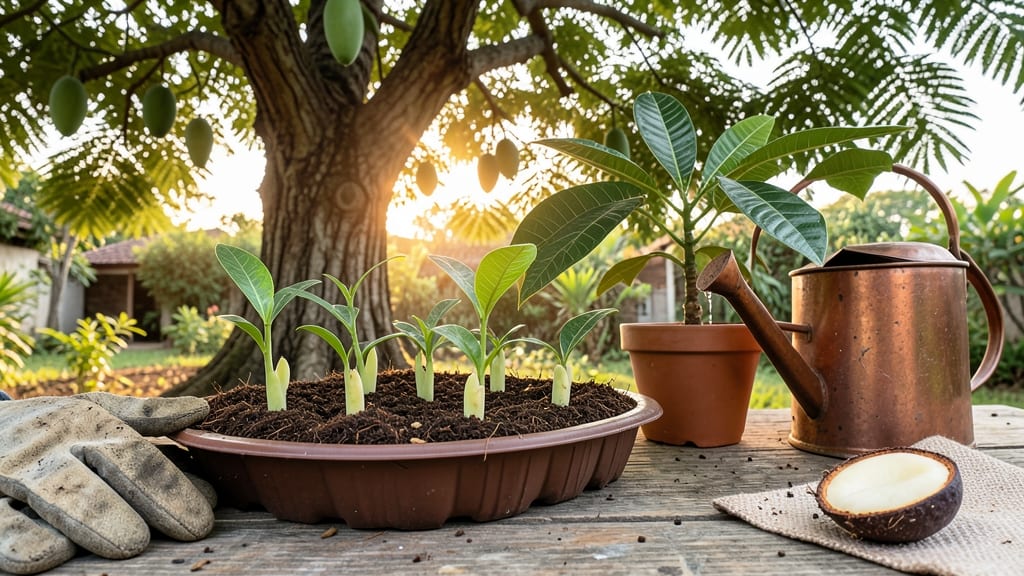
Growing a mango tree from seed to fruit is one of those rare gardening adventures that feels like a slow-motion miracle—especially when you're staring at a tiny seedling and dreaming of tropical harvests. 🌱 The journey takes patience, but with the right steps, you can go from that first sprouted seed to your own homegrown mangoes in just 3-5 years.
I've grown three from seed myself, and the first time I tasted a fruit that started as a seed in my kitchen, it felt like magic. The secret isn't complicated—it's about mimicking the tropical conditions mango trees love while giving your young plant time to grow strong roots and branches.
You'll need a warm spot (indoors or greenhouse works), well-draining soil, and a steady routine of watering and pruning. Most people quit before the tree even flowers, but sticking with it through the slow early years is what pays off with those sweet, juicy rewards.
By year 3, you'll start seeing real progress: sturdy branches, possible first blooms, and a tree that looks like it belongs in a tropical paradise. The fruit might not be perfect at first, but each season gets better.
I still remember the excitement of my first tiny mango—it was tart and underripe, but knowing it came from a seed I planted made it taste like victory. This method works best in warm climates (zones 10-11), but container growing lets you try it almost anywhere.
The key is consistency—just 10 minutes of care a day keeps your mango tree on track for that sweet payoff.
📚 In This Guide
- What you need
- Instructions
- Tips and common mistakes
- Wrapping up and next steps
What you need
- ● Mango seeds: 1–3 fresh, plump seeds (preferably from a ripe, organic mango). Pro tip: 💡 Choose seeds from heirloom or non-hybrid varieties for better results!
- ● Well-draining potting mix: 1 small bag (5–10 gallons) of cactus/succulent mix or a blend of 60% potting soil + 40% perlite/vermiculite.
- ● Small pots or seed trays: 2–3 3–4 inch diameter pots with drainage holes or a seed tray with individual cells.
- ● Plastic wrap or humidity dome: 1 sheet (to retain moisture during germination).
- ● Spray bottle: 1 (for gentle watering).
- ○ Fertilizer: Balanced liquid fertilizer (10-10-10) or seaweed extract (optional, for early growth).
- ● Pruning shears: 1 pair (for future trimming).
- ● Grow lights or sunny windowsill: Access to 6+ hours of indirect sunlight daily (or a 12–14 hour grow light for indoor setups).
- ● Larger container: 1 5–7 gallon pot (for transplanting after 6–12 months).
- ● Mulch: Organic mulch (e.g., wood chips) (to retain moisture in outdoor plantings).
- ○ pH testing kit: Optional (to monitor soil pH, ideal range: 5.5–7.0).
Step-by-Step instructions for growing a mango tree from seed
Here's how I've successfully grown mango trees from seed—no special tools, just patience and these clear steps.
🌱 Step 1: Extract and Prepare the Seed
Open a fresh, ripe mango and remove the large, flat seed inside. Rinse it under cool water to remove any fruit residue, then let it air-dry completely for 24 hours. This prevents mold from forming while the seed rests. I like to place the seed on a paper towel in a warm, dry spot—somewhere like a sunny windowsill works perfectly.
Once dry, wrap the seed in a damp paper towel and fold it so the seed stays snug but not compressed. Place this bundle inside a sealed plastic bag. This creates a humid environment that mimics tropical conditions, which is exactly what mango seeds need to germinate. Check the towel every few days to ensure it stays moist but not soggy—you want it damp enough to feel slightly damp to the touch, like a wrung-out sponge.
💧 Step 2: Germinate the Seed
Store the sealed bag in a warm spot, ideally between 75-85°F. I place mine on top of my refrigerator or near a sunny window where the heat naturally rises. Germination can take 2-4 weeks, so be patient—you’ll know it’s working when you see a tiny white root emerge from one end of the seed.
Once the root reaches about 1 inch long, it’s time to plant. Don’t wait too long, or the root may grow too long and break when you handle it. I gently open the bag, remove the seed, and plant it 1 inch deep in a small pot filled with well-draining potting mix. Water lightly until the soil is moist but not drenched.
☀️ Step 3: Transplant and Care for the Sapling
After the first true leaves appear—usually within 4-6 weeks—transplant the seedling into a 6-inch pot with fresh potting mix. Mango trees need full sun, so place the pot in the brightest spot you have, like a south-facing window or under grow lights if indoors. If you’re moving it outside, do it gradually over 7-10 days to avoid shocking the young plant.
Water the sapling when the top inch of soil feels dry. Overwatering is the biggest mistake here—mango trees hate soggy roots. I use a moisture meter to check, but even sticking your finger in the soil works. Fertilize lightly every 2 months with a balanced, water-soluble fertilizer diluted to half strength. This encourages steady growth without overwhelming the young roots.
🪴 Step 4: Repot and Transition to Outdoor Conditions
When the sapling reaches 12-18 inches tall, it’s ready for a larger pot—10-12 inches deep. Choose a pot with drainage holes to prevent root rot. Mango trees grow fast, so I repot every 12-18 months or when the roots start circling the pot. This keeps the plant healthy and gives it room to thrive.
If you live in a warm climate, you can plant the sapling outdoors after the last frost. Choose a spot with full sun and well-draining soil. If you’re in a cooler zone, keep it in a pot and bring it indoors during winter. Mulch around the base to retain moisture and protect the roots. You’ll see new growth within 2-3 weeks if everything is right.
⏰ Step 5: Prune and Encourage Fruit Production
Once your mango tree is 3-5 years old, it may start flowering. Prune lightly in late winter or early spring to shape the tree and remove any dead or crossing branches. I focus on opening the center of the tree to improve airflow, which reduces the risk of disease. Avoid heavy pruning—mango trees produce fruit on new growth, so you want to keep as much foliage as possible.
Fruit production can take 3-5 years, so don’t rush it. Be patient and keep the tree healthy with regular watering, fertilizing, and protection from frost. If you’re in a cooler climate, grow it in a large pot and move it indoors during winter. With the right care, you’ll eventually see those familiar mango blossoms—and eventually, fruit!
Tips & tricks for growing a thriving mango tree from seed
Here's what I learned after growing mango trees from seed—these small details make all the difference between a struggling sapling and a healthy, fruit-bearing tree.
Seed Selection Matters: Choose your mango carefully! Varieties like 'Keitt' or 'Haden' grow well from seed, but avoid hybrid mangoes—they often don't produce true fruit. Look for a seed that's large, flat, and free of cracks. I've found that seeds from organically grown mangoes germinate more reliably, possibly because they're less stressed during fruit development.
The Germination Environment: The sealed plastic bag trick works wonders, but here's the secret: place a small piece of aluminum foil over the opening of the bag to create a tiny air pocket. This prevents mold while maintaining humidity. I also like to check the seed every 3-4 days—if it's too wet, open the bag slightly to let moisture escape. The goal is that damp-but-not-soggy feel, like a wrung-out sponge.
Lighting for Saplings: In Step 3, when your first true leaves appear, you might notice them leaning toward the light. This is normal! If you're using indoor grow lights, position them 6-12 inches above the plant and keep them on for 12-14 hours daily. For outdoor plants, rotate the pot weekly so all sides get equal sun exposure. This prevents lopsided growth and helps the tree develop strong stems.
Fertilizer Timing: The instructions mention fertilizing every 2 months, but there's a trick: only fertilize when you see new growth. I start with a very light application—just a quarter-strength solution—and gradually increase to half-strength over 3-4 months. Too much fertilizer too soon can burn delicate roots. Also, avoid fertilizing in winter when the tree's growth naturally slows.
Pro Tips for Mango Tree From Seed To Fruit
- Here's what I learned after growing mango trees from seed—these small details make all the difference between a struggling sapling and a healthy, fruit-bearing tree.
- Seed Selection Matters: Choose your mango carefully!
- The Germination Environment: The sealed plastic bag trick works wonders, but here's the secret: place a small piece of aluminum foil over the opening of the bag to create a tiny air pocket.
Frequently asked questions
Got questions about growing a mango tree from seed?
You’re not alone! Here are answers to the most common queries—from impatient gardeners to tropical newbies.
How long does it really take for a mango seed to sprout?
A mango seed typically sprouts in 2–4 weeks if kept warm (75–85°F) and moist. Patience is key—some seeds take up to 6 weeks! Use a heat mat or sunny windowsill to speed things up. Pro tip: Soak the seed overnight before planting to break dormancy.
Will my seedling grow into a fruit-bearing tree?
Yes, but it may take 3–5 years (or longer) to bear fruit—and the quality won’t match grafted varieties. Seedlings are unpredictable; their fruit might be smaller, less sweet, or different in color. For reliable mangoes, consider grafting later or buying a grafted sapling.
What’s the best climate for growing a mango tree from seed?
Mango trees thrive in tropical/subtropical climates (USDA Zones 10–11) with full sun (6+ hours daily) and well-draining soil. In cooler zones, grow it in a container and bring it indoors during winter. Without heat, growth slows dramatically.
Why did my mango seed rot or mold?
Overwatering or poor drainage are the top culprits! Mango seeds need moisture but not soggy conditions. Use a paper towel method for germination, then transplant to a pot with sandy, fast-draining soil. If mold appears, reduce watering and improve airflow.
Can I grow a mango tree indoors?
Start seeds indoors in a sunny window or under grow lights. Once established, move the pot outside during warm months. Use a large container (10+ gallons) for roots, and fertilize lightly (balanced 10-10-10) every 2 months. Just know: indoor trees may stay smaller.
Wrapping up and next steps
Growing a mango tree from seed to fruit is a rewarding journey that blends patience, care, and a touch of tropical magic! 🌱✨ By following the right steps—from selecting the perfect seed to nurturing your sapling and protecting it as it matures—you’ll soon enjoy the sweet taste of homegrown success.
Remember, consistency is key, and with time, your efforts will bloom into luscious, sun-kissed mangoes.
Now that you’re armed with knowledge, why not plant your first seed today? Start small, stay curious, and watch your green thumb grow—literally! Share your progress with fellow gardeners or even gift a sapling to a friend. The tropics are waiting for your harvest! 🌴🍈