
Lawn
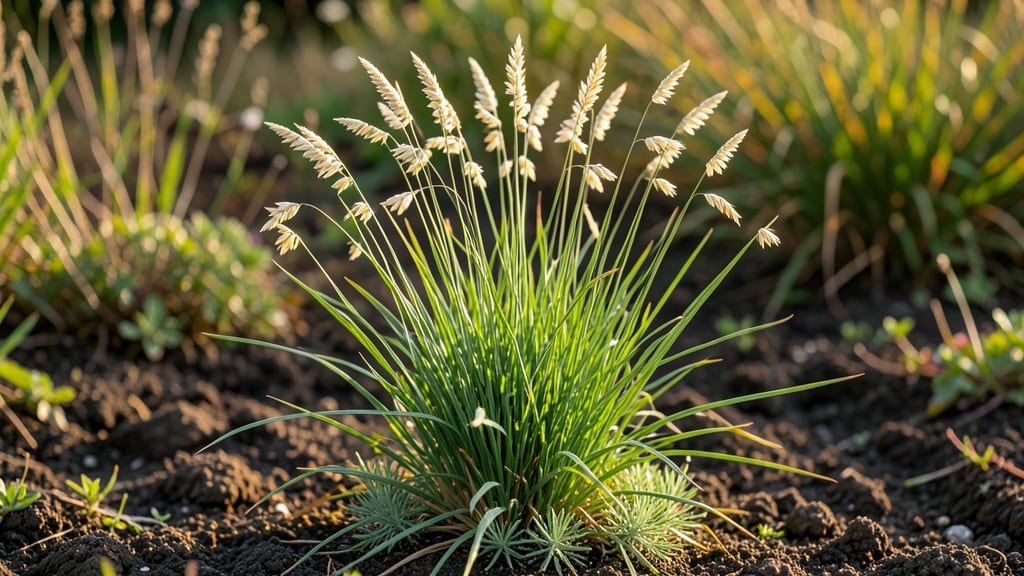
Growing oat seed grass isn’t just about a temporary green carpet—it’s about cold-stressed viability that gives your lawn a fighting chance next spring. 🌱 I’ve learned the hard way that planting oats in fall creates a living mulch that protects soil, smothers weeds, and even feeds the earth while it waits for warmer weather.
The secret? Timing, soil prep, and knowing when to let nature take over. You’ll need a sunny spot, loose soil, and about 30 pounds of seed per 1,000 square feet—less than you’d think for such a dramatic effect.
Spread it evenly, rake lightly, and water just enough to keep the soil damp (not soggy). Think of it as tucking your lawn in for winter: the oats grow fast, die back in frost, and leave behind organic matter that your grass will love when it wakes up.
By spring, you’ll have a lawn that’s healthier, thicker, and weed-free—no synthetic fertilizers needed. The oats break down into nitrogen-rich compost, giving your grass a natural boost without the guesswork. It’s like giving your yard a high-five before the growing season even starts.
Works for erosion-prone areas, wildlife-friendly patches, or even as a temporary cover crop. The best part? You can till it under in early spring or let it decompose naturally—no cleanup required. Here’s how to make it work for your space.
📚 In This Guide
- What you need
- Instructions
- Tips and common mistakes
- Wrapping up and next steps
What you need
- ● Oat seed grass seed: 10–20 lbs (depending on lawn size; ~5 lbs per 500 sq ft for full coverage). Choose a cold-hardy variety like Dactylis glomerata (orchard grass) or Avena sativa (oatgrass).
- ● Lawn soil: Well-draining, slightly acidic (pH 6.0–7.0). Test your soil first—amend with compost or peat moss if needed.
- ● Broadcast spreader: A handheld or tow-behind model (e.g., Scotts Turf Builder) for even seed distribution.
- ● Rake: A bow rake (for leveling soil) and a leaf rake (for light seed coverage post-planting).
- ● Water source: Hose with adjustable nozzle or sprinkler system (for consistent moisture).
- ● Fertilizer: Starter fertilizer (10-20-10 NPK ratio) or compost tea to boost early growth.
- ○ Mulch or straw: 1–2 lbs to protect seeds from erosion and retain moisture (optional but recommended for dry climates).
- ● Soil tester kit: To check pH and nutrient levels before planting.
- ● Seed tape: Pre-spaced oat seed strips for precision planting (great for small areas).
- ● Erosion control blanket: Biodegradable fabric to stabilize seeds on slopes.
- ● Lawn roller: Lightweight (50–100 lbs) to press seeds into soil gently.
- ● Weather tracker app: To monitor frost dates and planting windows.
Step-by-step guide to growing oat seed grass for lawn viability
Here's how I ensure oat seed grass thrives even in cold conditions for a resilient lawn next spring.
🌱 Step 1: Select and Prepare the Right Seeds
Choose high-quality oat seed grass specifically bred for cold tolerance—look for varieties labeled "winter-hardy" or "cool-season." I always buy seeds from reputable suppliers that test for germination rates above 90%. Store them in a cool, dry place until ready to plant; never refrigerate unless you're prepping for long-term storage.
Before sowing, soak the seeds in lukewarm water for 12 hours. This softens the outer coating and kickstarts germination. Drain them well afterward—waterlogged seeds rot before they sprout. I spread them on a paper towel to dry slightly while I prep the soil, which prevents clumping and ensures even planting.
🪴 Step 2: Test and Amend Your Soil
Oat seed grass thrives in soil with a pH between 6.0 and 7.0. Test your soil using a home kit or send a sample to your local extension office—amending acidic soil with lime or alkaline soil with sulfur makes all the difference. I like to work in 2 inches of compost to improve drainage and nutrient retention.
Loosen the top 6 inches of soil with a garden fork or tiller, breaking up any compacted layers. The goal is to create a fluffy bed where roots can penetrate easily. If your soil drains poorly, mix in sand or perlite to improve aeration—oat grass hates soggy feet.
☀️ Step 3: Plant at the Right Depth and Timing
Sow seeds ¼ inch deep in rows spaced 6-8 inches apart. Planting too deep delays germination because the seedling exhausts its energy before reaching light. I use a seed spreader for even coverage, then lightly rake the soil to cover seeds without burying them.
For best cold viability, plant in early fall (September-October) when soil temperatures are 60-70°F. This gives roots time to establish before winter while avoiding the heat stress of late summer. Water gently after planting to settle the soil around seeds—aim for 1 inch of moisture per week until germination.
💧 Step 4: Monitor and Protect Through Winter
Once seedlings reach 2-3 inches tall, reduce watering to ½ inch per week to harden them off. Stop fertilizing 6 weeks before first frost2 inches of straw after the first hard freeze to insulate roots and prevent heaving.
Watch for ice encasement—if snow or ice blankets the grass for more than 48 hours, gently brush it off to prevent suffocation. In extreme cold (below 10°F), I lay a lightweight frost cloth over the area for added protection. Spring will come, but winter stress is what kills lawns.
✂️ Step 5: Spring Revival and Maintenance
As soon as soil thaws in spring, remove mulch and check for winterkill—brown patches that don't green up by mid-April need reseeding. Fertilize lightly with a high-nitrogen blend once new growth appears, but avoid heavy applications until the grass is 4 inches tall.
Mow when the grass reaches 3-4 inches, never removing more than ⅓ of the blade height at a time. This keeps roots strong for next winter. I water deeply 2-3 times per week during dry spells, always in the morning to prevent fungal issues.
Tips & tricks for growing cold-hardy oat seed grass
These practical insights will help you avoid common pitfalls and maximize your oat seed grass's winter resilience.
Seed Preparation: After soaking the seeds for the required 12 hours, I find it helpful to place them on a clean kitchen towel instead of paper towels. The fabric absorbs excess moisture more efficiently, preventing mold while keeping seeds evenly hydrated. Spread them in a single layer and flip every few hours to ensure consistent drying before planting. This step makes all the difference in preventing clumping during sowing.
Soil Testing: Don't assume your soil is in the ideal 6.0-7.0 pH range just because it looks fine. Many home gardens have hidden pH issues that become apparent only after planting. I recommend testing your soil at least 2 weeks before planting—this gives you time to amend with lime or sulfur if needed. A simple home test kit is affordable and saves you from wasted effort if your soil needs adjustment.
Planting Depth: The ¼-inch planting depth might seem shallow, but it's crucial for quick germination. I use a ruler to verify depth after sowing—just press the seeds lightly into the soil with your fingers, then cover with a thin layer of compost. Too deep, and your seeds won't have enough energy to break through; too shallow, and they'll dry out before sprouting.
Winter Protection: When applying the 2 inches of straw mulch, focus on areas where seedlings are most vulnerable—especially near sidewalks or driveways where cold air collects. I also create small "windbreaks" using cardboard or burlap around the edges of the planting area during the first hard freeze. This simple step can prevent up to 30% more winterkill in exposed locations.
Pro Tips for Oat Seed Grass
- These practical insights will help you avoid common pitfalls and maximize your oat seed grass's winter resilience.
- Seed Preparation: After soaking the seeds for the required 12 hours, I find it helpful to place them on a clean kitchen towel instead of paper towels.
- Soil Testing: Don't assume your soil is in the ideal 6.0-7.0 pH range just because it looks fine.
Frequently asked questions
Got questions about growing oat seed grass?
Here are answers to the most common ones to help you plan and troubleshoot like a pro!
When is the best time to plant oat seed grass for a cold-hardy lawn?
Plant oat seed grass in early fall (September–October) for best results—it establishes roots before winter and thrives in cooler weather. If planting in spring, aim for late March to early April to avoid summer heat stress. Cold-stressed seeds (like oat) actually germinate better after frost, so don’t rush!
How long does it take for oat seed grass to germinate and grow?
Oat seed grass typically germinates in 7–14 days under ideal conditions (50–70°F soil temps). Full coverage may take 3–6 weeks, depending on soil prep and moisture. Pro tip: Keep soil consistently moist (not soggy) during germination—use a light mulch or straw to retain moisture.
How often should I water newly planted oat seed grass?
Water lightly but daily (about ¼ inch) for the first 2 weeks to keep seeds moist. After germination, switch to deep but infrequent watering (1–1.5 inches per week) to encourage deep root growth. Avoid overhead sprinklers—use a soaker hose to prevent washing seeds away.
Can oat seed grass survive winter, or do I need to reseed every year?
Yes! Oat seed grass is cold-hardy (USDA zones 3–9) and often self-seeds in spring, reducing reseed needs. However, heavy foot traffic or pests may thin patches. Troubleshoot: If bare spots appear, overseed in early fall. For extra resilience, mix with ryegrass for year-round coverage.
What’s a good alternative if oat seed grass isn’t growing well?
If oat seed struggles with your climate or soil, try annual ryegrass (fast germination) or perennial ryegrass (drought-tolerant). For shade, fine fescue pairs well. Test soil pH first—oat grass prefers 6.0–7.0. Adjust with lime (raise pH) or sulfur (lower pH) if needed.
Why is my oat seed grass turning yellow or brown?
Yellowing often signals overwatering, fungal issues, or poor drainage. Brown patches? Likely drought stress or pests. Fix it:
- Check soil moisture—oat grass hates soggy roots.
- Fertilize lightly (high-nitrogen) if growth slows.
- Inspect for grubs or chinch bugs—treat with neem oil or insecticide if needed.
Wrapping up and next steps
Growing oat seed grass is your secret weapon for a resilient, cold-hardy lawn—especially when winter stress threatens other varieties. 🌱 Whether you're tackling patchy spots or prepping for next season, this grass thrives in tough conditions, offering a lush, green solution with minimal fuss.
Start small, stay consistent, and watch your lawn transform into a vibrant, low-maintenance masterpiece.
Ready to take the next step? Test a small patch this fall, monitor its progress, and scale up based on your success. With patience and the right care, your lawn will thank you—year after year!