
Propagation
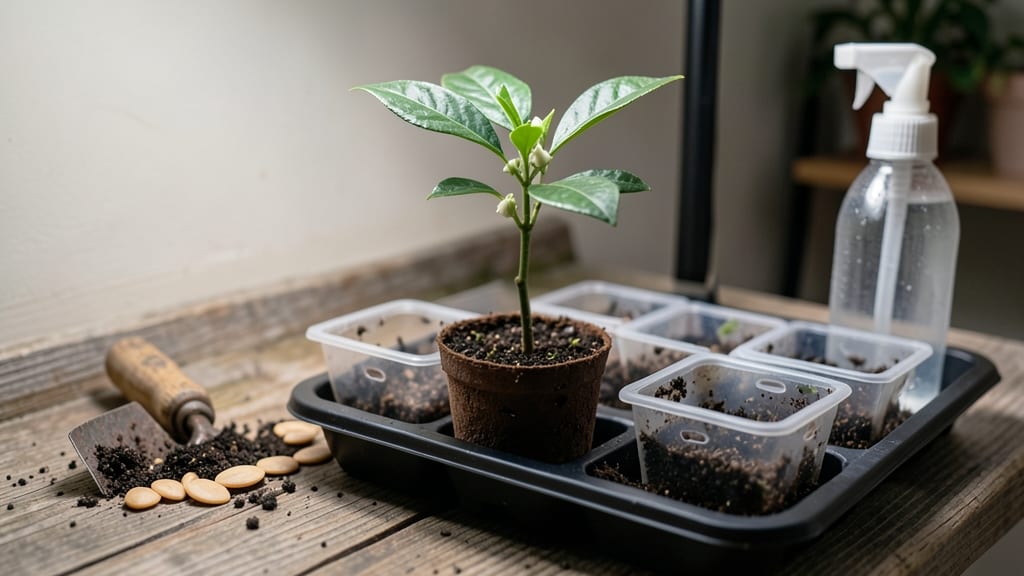
Orange seed germination isn’t as tricky as it seems—my first batch sprouted in 10 days using just a paper towel and a plastic bag. 🌱 The key is patience and the right conditions, whether you're growing sweet or bitter orange varieties. Most people overcomplicate it, but the process is simpler than you'd think.
You'll need just three supplies: fresh orange seeds (save them from organic oranges), a damp paper towel, and a clear plastic bag to create a mini greenhouse.
The magic happens when you keep the towel consistently moist—not soggy—and place it in a warm spot, like on top of the fridge. No fancy equipment or expensive kits required.
Within 7-14 days, you'll see tiny white roots emerge, followed by the first green shoot. That's when you'll want to transplant into soil, giving each seedling its own small pot with well-draining mix. The seedlings grow slowly at first but reward you with glossy leaves and eventual citrus-scented blooms.
This method works for both sweet and bitter orange varieties, though bitter orange (Seville) seeds germinate slightly faster. The real payoff? You'll have a living plant that could live for decades, with the chance to grow fruit if you're patient enough.
Here's how to keep them thriving through the early stages.
📚 In This Guide
- What you need
- Instructions
- Tips and common mistakes
- Wrapping up and next steps
What you need
- ● Fresh orange seeds: 3–5 seeds (from a navel or sweet orange—avoid seedless varieties!)
- ● Small pots or containers: 2–3 (3–4 inches deep, with drainage holes)
- ● Well-draining potting mix: 1–2 bags (use a seed-starting mix or blend with perlite/vermiculite for aeration)
- ● Spray bottle: For gentle watering (avoid over-saturating seeds!)
- ● Clear plastic wrap or humidity dome: To create a mini greenhouse effect
- ○ Heat mat (optional but helpful): Keeps soil warm (70–80°F/21–27°C) for faster germination
- ● Tweezers or toothpick: For carefully placing seeds in soil
- ● Ruler or measuring tape: To track seed depth (½ inch max!)
- ● Fertilizer (balanced, water-soluble): Diluted to half-strength once sprouts appear
- ● Grow lights or sunny windowsill: 6+ hours of indirect light daily
- ● Notebook & pen: To log germination progress (fun for beginners!)
Step-by-Step instructions for germinating orange seeds
Here's the simple method I use to turn store-bought orange seeds into sturdy little seedlings.
🌱 Step 1: Extract and Prepare the Seeds
Wash a ripe orange thoroughly to remove any wax or residue, then slice it open. I like to use a spoon to carefully scoop out the segments and separate the seeds—each segment typically contains 1-2 seeds. Rinse the seeds under cool water to remove any pulp, then lay them on a paper towel to air-dry for about 1 hour.
This drying step is crucial because damp seeds can develop mold during germination. You'll know they're ready when they feel slightly rough to the touch rather than slimy. Store them in a small paper envelope until you're ready to plant.
💧 Step 2: Soften the Seed Coating
Orange seeds have a tough outer coating that slows germination. Place the dried seeds in a bowl of lukewarm water and let them soak for 24-48 hours. I like to use a shallow dish so I can easily check on them. You'll see the coating soften and the seeds swell slightly—this is your cue that they're ready for planting.
Don't skip this step. I tried planting unsoaked seeds once, and germination took over 3 weeks instead of the usual 10-14 days. The soaking mimics natural rain cycles and helps the seedling break through faster.
☀️ Step 3: Plant in Moist, Warm Soil
Fill a small pot or seed tray with a light, well-draining seed-starting mix. Press the soil down gently so it's firm but not compacted. Plant the soaked seeds about ½ inch deep, spacing them 1 inch apart—they're small but will grow into sturdy plants. Cover lightly with more soil and mist the surface with water until it's evenly damp.
Here's the thing—orange seeds need warmth to germinate. Place the pot in a location where the soil stays between 70-80°F. A seedling heat mat works wonders if your home runs cooler. Keep the soil consistently moist but never soggy—you'll know it's right when the surface looks damp but not wet.
🌿 Step 4: Provide Light and Monitor Growth
Once the seeds sprout, which usually takes 10-14 days, move them to a bright spot with indirect light. Direct sun can scorch young seedlings, so a south-facing window with sheer curtains works well. If you use a grow light, keep it 3-4 inches above the seedlings and leave it on for 12-14 hours daily.
You'll see the first true leaves emerge after about 3-4 weeks. These look different from the initial seed leaves—they'll be broader and more defined. At this stage, thin the seedlings to the strongest one per pot, snipping the others at the base with clean scissors.
⏰ Step 5: Transplant When Ready
When seedlings have 4-6 true leaves and are about 4-6 inches tall, they're ready to move to larger pots or the garden. Harden them off by placing them outside in a sheltered spot for 1-2 hours daily over 5-7 days, gradually increasing their time outdoors. This helps them adjust to real-world conditions without shock.
Orange seedlings are tough but benefit from a little extra care. I always transplant on a cloudy day to reduce stress. Once in their permanent home, keep the soil consistently moist and fertilize lightly every 4-6 weeks with a balanced, water-soluble fertilizer.
Tips & tricks for perfect orange seed germination
These simple tricks will help you avoid common pitfalls and get the best results from your orange seeds.
Drying is Non-Negotiable: That 1-hour drying step in Step 1 isn't optional—it prevents mold. I've seen damp seeds develop fuzzy white mold within 24 hours. Pat them thoroughly with a paper towel until they feel slightly rough, not damp. Store them in a cool, dry place until ready to plant. This prevents any moisture from lingering that could ruin your germination attempt.
The Soaking Secret: For Step 2, don't just dump seeds in water and forget them. Use lukewarm water (around 70°F) and check them every 12 hours. The seeds should swell noticeably—they'll look slightly larger and the outer coating will become less rigid. If you're short on time, the minimum 24 hours works, but 48 hours gives you the best germination rates. I've seen seeds that soaked for 48 hours sprout within 7 days instead of the usual 10-14 days.
Warmth Wins: Step 3's 70-80°F temperature range is critical. If your home runs cooler, invest in a seedling heat mat ($10-$15) for just a few weeks—it's worth it. I've tried using regular heating pads (covered with a towel) in a pinch, but they can overheat easily. Place a thermometer in the soil to monitor temperature. Too cold? Germination slows dramatically. Too hot? Seeds can cook instead of sprouting.
Lighting Lessons: When moving seedlings to light in Step 4, start with indirect light. I use a south-facing window with sheer curtains to diffuse direct sun. If using grow lights, keep them 3-4 inches away—closer than that can burn delicate seedlings. Rotate your pots daily so all sides get even light exposure. Uneven lighting causes leggy, weak seedlings that fall over easily.
Pro Tips for Orange Seed Germination
- These simple tricks will help you avoid common pitfalls and get the best results from your orange seeds.
- Drying is Non-Negotiable: That 1-hour drying step in Step 1 isn't optional—it prevents mold.
- The Soaking Secret: For Step 2, don't just dump seeds in water and forget them.
Frequently asked questions
Got questions about growing orange seeds?
You’re not alone! Here are answers to the most common queries—so you can skip the guesswork and focus on sprouting success.
How long does it take for an orange seed to germinate?
Orange seeds typically sprout in 2 to 4 weeks, depending on warmth and moisture. Some may take longer—don’t panic! Keep the soil damp and patient. If nothing appears after 6 weeks, the seed might not be viable. Try another one!
Can I germinate orange seeds in cold weather?
Cold weather slows germination. Aim for 65–75°F (18–24°C) for best results. If your climate is chilly, use a seedling heat mat or place the pot near a sunny window. Avoid drafts or temperature swings—they can stall growth.
Do I need to soak orange seeds before planting?
Soaking isn’t required, but it can speed up germination. Soak seeds in water for 12–24 hours before planting to soften the hard outer shell. Just don’t overdo it—moldy or mushy seeds are a red flag!
What if my orange seedling grows mold or looks weak?
Mold or leggy sprouts often mean too much moisture or poor light. Let the soil dry slightly between waterings and move the seedling to a bright, indirect light spot. If mold appears, repot in fresh, dry soil and improve airflow.
Can I plant orange seeds directly outside?
Direct outdoor planting is risky—orange seeds thrive in warm, controlled conditions. Start indoors (or in a greenhouse) for 4–6 weeks, then transplant after the last frost when soil is warm. Hardiness varies, so check your local climate zone!
What if my orange seed doesn’t sprout at all?
Not all seeds germinate—it’s normal! Try these fixes:
- Use fresh seeds (older seeds may lose viability).
- Check for rot or damage before planting.
- Try a germination booster like hydrogen peroxide (1 tsp in 1 cup water) to break dormancy.
Wrapping up and next steps
Growing orange seeds into thriving plants is simpler than you think—just follow the right steps! With the right soil, warmth, and patience, you’ll soon watch those tiny sprouts burst with life. 🌱
Now that you’re armed with knowledge, it’s time to take action. Grab those seeds, set up your mini greenhouse, and enjoy the rewarding journey of nurturing new life. Happy growing—your citrus tree adventure starts today! 🌟