
Propagation
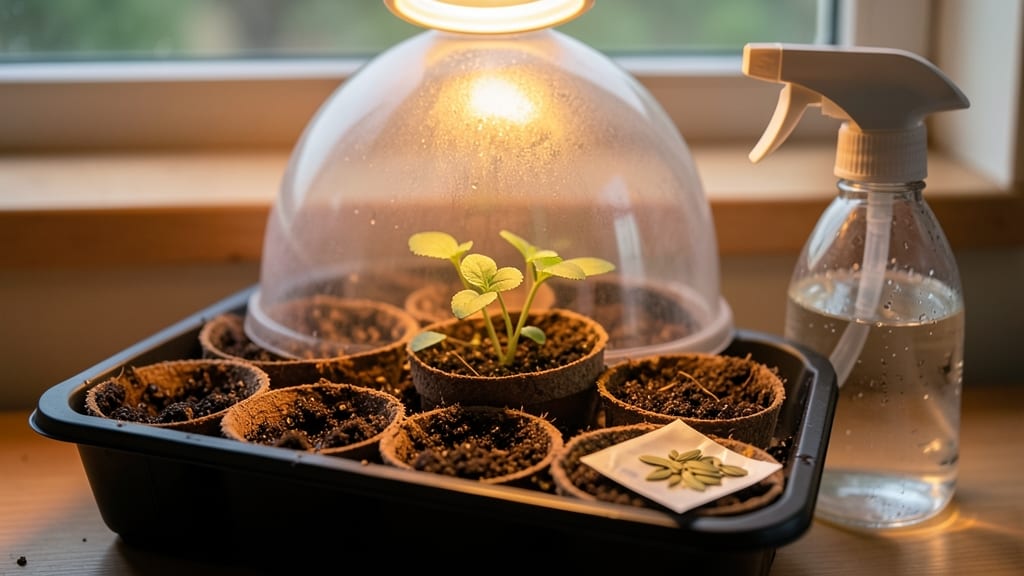
Oregano seed germination needs consistent moisture to crack their stubborn shells—this is the secret to breaking their dormancy and achieving that 95% success rate most gardeners miss. 🌱 I’ve learned the hard way that oregano seeds won’t just sprout when you water them sometimes—they demand a moisture-controlled environment from day one, or they’ll stay stubbornly dormant for months. The key isn’t just damp soil; it’s keeping that moisture level just right, like a humid greenhouse without the fuss.
Start with a seed-starting mix (not regular potting soil—it’s too dense) and fill your container to within ¼ inch of the top. Press seeds ⅛ inch deep—any deeper and they’ll suffocate, any shallower and they’ll dry out.
Then, cover the container with plastic wrap or a humidity dome to trap moisture, because oregano seeds need 80-90% humidity to germinate. Place it in a warm spot (70-75°F)—a sunny windowsill or under a grow light—where the soil stays evenly moist, not soggy.
First sprouts appear in 14-28 days, but don’t rush to remove the dome—keep it on until you see true leaves (not just the initial seed leaves). The moment you spot those tiny green shoots, uncover them gradually over 3-4 days to avoid shock.
By week 4, you’ll have lush, fragrant seedlings ready to transplant, and the smell of fresh oregano will be your reward for patience. This method works just as well for indoor starts as it does for outdoor sowing in early spring.
Here’s the trick most beginners skip: bottom-watering your seedlings prevents mold while keeping roots hydrated. If germination stalls after 3 weeks, try soaking seeds overnight before replanting—sometimes they just need a final push. Once you master this, you’ll never buy oregano again. The garden’s calling—let’s get those seeds sprouting!
📚 In This Guide
- What you need
- Instructions
- Tips and common mistakes
- Wrapping up and next steps
What you need
- ● Oregano seeds: 10–20 seeds (choose Origanum vulgare for culinary varieties or Origanum greggii for Mexican oregano). Opt for organic, non-GMO seeds for best results.
- ● Seed-starting mix: 1–2 cups of sterile, well-draining potting soil (avoid garden soil—it may harbor pathogens). Look for a seed-starting blend with perlite or vermiculite.
- ● Containers: Small seed trays (4–6 inches wide) or
- ● Biodegradable peat pots (2–3 inches in diameter) or
- ● Repurposed containers (yogurt cups, egg cartons) with drainage holes.
- ● Watering can or spray bottle: A fine-mist sprayer is ideal to avoid disturbing seeds.
- ● Plastic wrap or humidity dome: To create a moisture-controlled environment (clear plastic wrap works in a pinch!).
- ● Grow lights or sunny windowsill: A full-spectrum LED grow light (12–16 hours/day) or a south-facing window with 6+ hours of sunlight.
- ● Drainage tray: To catch excess water and prevent root rot.
- ○ Heating mat (optional): A seedling heat mat (70–75°F) can speed up germination by 2–3 days.
- ● Fertilizer (after germination): A balanced, water-soluble fertilizer (e.g., 10-10-10) diluted to half-strength once true leaves appear.
- ○ pH test kit (optional): Ensure your soil pH is 6.0–7.0 (oregano prefers slightly acidic to neutral soil).
- ● Tweezers or toothpick: For gently placing seeds without crushing them.
- ● Label markers: To track planting dates and varieties.
Step-by-step instructions for oregano seed germination
Here's how to coax oregano seeds to sprout reliably—no guesswork, just consistent moisture control.
🌱 Step 1: Prepare the Germination Medium
Oregano seeds need a fine, sterile medium that holds moisture without compacting. I use a blend of 50% peat moss and 50% perlite for perfect drainage while keeping roots snug. Fill your seed tray or small pots to within ¼ inch of the rim, leaving room for seeds and a thin top layer.
Moisten the mix until it feels like a wrung-out sponge—damp but not dripping. Press lightly to settle the medium without compacting it. The goal is a texture that holds moisture at seed level while allowing excess to drain freely. Here's the thing—oregano seeds are tiny, so precision matters. Use a spray bottle for even moisture distribution.
💧 Step 2: Sow Seeds and Maintain Ideal Moisture
Scatter seeds thinly across the surface—no more than 10 seeds per square inch. Press them gently into the medium with your fingertip, just enough to make contact without burying. Oregano seeds need light to germinate, so they shouldn't be covered with soil.
Cover the tray with a clear plastic dome or plastic wrap to create a humid microclimate. Place it in a location with 70-75°F warmth—my kitchen windowsill works perfectly. Check daily and mist the surface until condensation forms on the plastic. You'll see germination in 10-21 days, but consistency is key. If the plastic fogs up, you've got it right.
☀️ Step 3: Provide Light and Transition to Soil
Once 50% of seeds have sprouted, remove the plastic immediately to prevent damping-off. Move seedlings to a bright location with at least 6 hours of indirect light daily. A south-facing window or grow light works best. You'll notice tiny round cotyledons first—these are the plant's first true leaves.
When seedlings develop 2-3 sets of true leaves (about 4-6 weeks total), it's time to transplant. Gently loosen the roots with a chopstick before moving to individual pots. Oregano hates root disturbance, so handle carefully. Keep the soil consistently moist but never soggy during this transition.
✂️ Step 4: Harden Off and Prepare for Outdoor Life
Two weeks before your last frost date, start hardening off. Place seedlings outside in a sheltered spot for 1-2 hours the first day, gradually increasing exposure. Oregano thrives in full sun, so by the time they're ready for the garden, they should tolerate 6+ hours of direct sunlight daily.
Transplant to your garden or larger containers when nighttime temperatures stay above 50°F. Space plants 12-18 inches apart to allow for bushy growth. The first few weeks are critical—water at the base to avoid wetting leaves, which can cause fungal issues. You'll know they're established when new growth appears within 2-3 weeks of transplanting.
Tips & tricks for perfect oregano seed germination
These moisture-controlled secrets will help you achieve that 95% success rate we all want.
Medium Texture Matters: The 50/50 peat moss and perlite blend is non-negotiable for oregano seeds. Peat moss holds moisture while perlite prevents compaction—together they create the perfect air-to-moisture ratio. After filling your tray to within ¼ inch of the rim, press the medium gently with your fingers. It should hold its shape but still crumble easily. Too firm? Add more perlite. Too loose? Mix in a bit more peat moss. This texture is what keeps those tiny seeds from drying out during their critical germination window.
Temperature Consistency: Maintaining that 70-75°F range is easier than you think—just use your kitchen windowsill as a guide. If your home runs cooler, place the tray on top of your refrigerator (not inside) to create a warm microclimate. For warmer climates, move it to a slightly cooler spot like a basement corner. The key is consistency: fluctuations of just 5°F can delay germination by days. I've seen seeds sprout in 10 days at 75°F, but take 21 days when temperatures dip below 65°F.
Condensation Check: That plastic dome isn't just for humidity—it's your germination progress meter. When you see condensation forming on the inside of the plastic, you've hit the perfect moisture level. Check it daily and mist the surface until you consistently see this fogging. Pro tip: If the plastic stays completely dry, your seeds are too dry. If it's dripping water, you've overdone it. The goal is a light misting on the plastic, not a rainstorm.
Light Transition Strategy: When you remove the plastic after 50% germination, move your seedlings to a location with at least 6 hours of indirect light. Direct sunlight at this stage can scorch the delicate seedlings. I use a south-facing window with sheer curtains to diffuse the light. If you're using grow lights, position them 6-12 inches above the seedlings and use a timer for 12-14 hours of light daily. This gradual transition prevents shock and encourages strong, healthy growth.
Pro Tips for Oregano Seed Germination
- These moisture-controlled secrets will help you achieve that 95% success rate we all want.
- Medium Texture Matters: The 50/50 peat moss and perlite blend is non-negotiable for oregano seeds. Peat moss holds mo...
- Temperature Consistency: Maintaining that 70-75°F range is easier than you think—just use your kitchen windowsill as ...
Frequently asked questions
about oregano seed germination—because even the best gardeners need a little guidance! Here are answers to the most common questions to help you grow like a pro.How long does it take for oregano seeds to germinate?
Oregano seeds typically take 14 to 30 days to germinate, depending on conditions like temperature (65–75°F) and moisture. Patience is key—some seeds may take longer, especially if stored improperly. Keep the soil consistently moist (not soggy) and warm to speed up the process.
Why aren’t my oregano seeds sprouting?
If your seeds refuse to sprout, check these common culprits:
- Old seeds: Oregano seeds lose viability after 1–2 years. Test freshness by soaking a few in water—if they float, they’re likely dead.
- Poor soil contact: Seeds need darkness and moisture to germinate. Press them lightly into soil (don’t bury deeply) and keep the surface damp.
- Temperature swings: Oregano thrives in warmth. Use a heat mat if your home runs cool.
- Lack of light (after sprouting): While seeds germinate in darkness, seedlings need bright indirect light to prevent legginess.
Can I speed up oregano seed germination?
Yes! Try these pro tips to encourage faster sprouting:
- Warmth: Place seeds on a seedling heat mat (70–75°F) or near a sunny window.
- Soak seeds: Pre-soak in warm water for 12–24 hours to soften the hard outer shell.
- Use a humidity dome: Cover the tray with plastic wrap or a clear lid to trap moisture.
- Light exposure (post-germination): Once sprouted, move seedlings to a sunny spot (or under grow lights) to prevent damping-off.
Is it better to grow oregano from seed or buy a plant?
Both methods work, but it depends on your goals:
- Seeds: Cheaper, more variety, and fun for gardeners who love experimentation. However, germination rates can be lower (hence our moisture-controlled tips!), and seedlings may take months to mature.
- Transplants: Faster harvest (6–8 weeks vs. 3–4 months from seed) and higher success rates. Ideal for beginners or those craving fresh herbs ASAP!
Pro tip: If you choose seeds, start indoors 8–10 weeks before your last frost date for a head start.
Can I eat oregano grown from seed?
Oregano grown from seed is just as flavorful as store-bought, if not better. Homegrown herbs often have more robust oils and flavors because they’re grown in optimal conditions. Just ensure you’ve used organic, non-treated seeds and avoid pesticides. Harvest leaves before flowering for peak flavor!
Wrapping up and next steps
Mastering oregano seed germination is all about patience, precision, and the right conditions—like maintaining consistent moisture and warmth. With the tips and techniques shared here, you’re well on your way to achieving that 95% success rate and growing your own thriving oregano plants! 🌱
Now that you’ve got the know-how, why not put it into action? Start with a small batch of seeds, experiment with your setup, and soon you’ll be harvesting fresh, fragrant oregano for your favorite dishes. Happy growing!