
Lawn
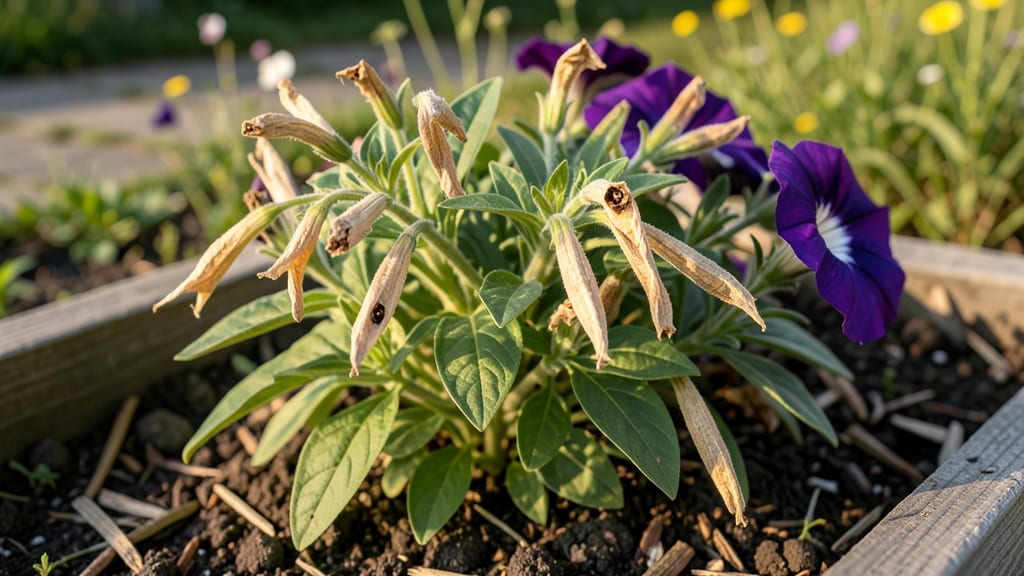
That petunia seed pods image you see now holds the key to next year's blooms—if you know when and how to harvest them. 🌸 I've learned the hard way that waiting too long means seeds scatter, while harvesting too soon leaves them undeveloped.
The trick is watching for that telltale split where the pod opens just enough to reveal tiny black seeds inside.
You'll need a pair of scissors, a paper bag, and a sunny windowsill for drying. Once pods turn brown and start cracking open, snip them off the stem and place them in your bag.
Shake gently every few days to release seeds—this simple step prevents mold and ensures viability. Most petunia seeds stay good for 2-3 years if stored properly.
What you'll end up with are seeds that produce plants just as vibrant as the ones you bought. The first flush of seedlings appears in 7-14 days, and you'll save $10-$20 per variety compared to store-bought plants.
The real magic happens when you grow heirloom varieties you can't find anywhere else.
This method works for all petunia types—grandifloras, multifloras, even trailing varieties. Just remember: collect seeds from healthy plants, avoid hybrids if you want true-to-type flowers, and label your packets clearly. Your future garden will thank you.
📚 In This Guide
- What you need
- Instructions
- Tips and common mistakes
- Wrapping up and next steps
What you need
- ● Petunia plants – Healthy, mature plants with seed pods (preferably Petunia × hybrida or similar varieties).
- ● Seed pods – 3–5 fully dried pods (light brown, papery texture).
- ● Digital camera or smartphone – With a 10+ MP camera for high-resolution images.
- ○ Macro lens or close-up mode – For crisp details (optional but recommended).
- ● White or neutral-colored background – A sheet, poster board, or matte surface.
- ● Soft lighting – Natural light or a ring light to avoid shadows.
- ● Magnifying glass – For up-close inspection of seed structures.
- ● Tripod or stabilizer – To keep your shots steady.
- ● Scissors or pruners – For carefully removing pods from stems.
- ● Seed tray & potting mix – If you’re testing germination after imaging!
- ● Editing software – Lightroom, Photoshop, or free tools like GIMP for enhancements.
How to harvest and save petunia seeds from dried pods
Turn those spent petunia blooms into next year’s garden with this simple method.
🌱 Step 1: Let Pods Dry Fully on the Plant
After petunias bloom, leave the spent flowers on the plant until the seed pods turn brown and papery—this can take 4-6 weeks depending on your climate. You’ll know they’re ready when the pods split open naturally or feel dry and crisp to the touch. Avoid cutting them early; green pods won’t yield viable seeds.
If rain is forecasted, collect pods before they get soggy. Gently twist them off the stem—they should separate easily once mature. Place them in a paper bag (not plastic) to dry completely indoors for 3-5 days. This prevents mold while allowing seeds to fully mature inside.
💧 Step 2: Extract Seeds from the Pods
Once pods are completely dry, open them carefully over a clean sheet of white paper. You’ll see tiny, dark seeds mixed with fine chaff. Use your fingers to separate seeds from the papery pod walls—don’t crush them, as they’re delicate. A fine-tooth comb helps remove debris if you’re working with a large batch.
Petunia seeds are extremely small, so work slowly. I like to spread the seeds on the paper in a thin layer and let them air-dry for another 24 hours to ensure any lingering moisture evaporates. This step prevents mold when storing seeds long-term.
☀️ Step 3: Store Seeds Properly for Germination
Transfer the clean, dry seeds into a small envelope or airtight container. Label it with the petunia variety and the year—seeds stay viable for 2-3 years if stored correctly. Keep them in a cool, dark place (like a refrigerator’s vegetable drawer) to maintain freshness. Humidity is the enemy, so avoid plastic bags unless they’re sealed with silica gel.
For best results, sow seeds indoors 8-10 weeks before your last frost date. Scatter them lightly on damp seed-starting mix (don’t cover—they need light to germinate). Keep the soil consistently moist at 70-75°F until sprouts appear in 10-20 days. Patience pays off—petunia seeds germinate slowly but reliably.
⏰ Step 4: Prep Seeds for Spring Planting
In early spring, mix your saved seeds with sand (1 part seeds to 3 parts sand) for easier handling. Sprinkle them on the surface of moistened seed-starting mix in trays. Press lightly to ensure contact with soil but don’t bury them. Place trays under grow lights (petunias need 14-16 hours of light daily) to prevent leggy seedlings.
Once seedlings develop 2-3 true leaves, transplant them into 2-inch pots with fresh potting mix. Harden off gradually by exposing them to outdoor conditions for 1-2 hours daily over 7-10 days before moving to the garden. This toughens them up and ensures a smooth transition.
Tips & tricks for perfect petunia seed pod harvesting
Saving petunia seeds is easier than you think—once you know these little tricks that make all the difference between viable seeds and wasted effort.
Timing is Everything: Those 4-6 weeks on the plant might feel like forever, but patience pays off. Check pods daily in the final week—they’re ready when they split open naturally or feel crisp like dry paper. If you collect too early, seeds won’t be mature enough to germinate. I’ve learned this the hard way after tossing green pods that yielded nothing!
Drying Strategy: The 3-5 days of indoor drying in a paper bag is non-negotiable. Plastic traps moisture and encourages mold, which can ruin your entire harvest. Place the bag in a dry, well-ventilated spot away from direct sunlight. For extra insurance, I crack the bag open slightly each day to let any trapped humidity escape.
Seed Separation Hack: When extracting seeds in Step 2, use a fine-tooth comb to gently sift through the chaff. This saves time and ensures you don’t accidentally discard viable seeds mixed with debris. Spread the seeds on paper in a thin layer—the 24-hour air-drying afterward prevents clumping and makes storage easier.
Labeling System: Don’t skip labeling your seed packets! I’ve used everything from masking tape labels to small chalkboard tags, but my favorite is a permanent marker on the envelope itself. Include the petunia variety and year—this becomes especially important after 2-3 years when you’re trying to identify which seeds you saved from which plants.
Pro Tips for Petunia Seed Pods Image
- Saving petunia seeds is easier than you think—once you know these little tricks that make all the difference between viable seeds and wasted effort.
- Timing is Everything: Those 4-6 weeks on the plant might feel like forever, but patience pays off.
- Drying Strategy: The 3-5 days of indoor drying in a paper bag is non-negotiable.
Frequently asked questions
Got questions about petunia seed pods? You’re not alone! Here are some of the most common queries—plus quick, practical answers to help you master the art of saving and growing petunia seeds from dried pods.
What do petunia seed pods look like when they’re ready to harvest?
Mature petunia seed pods are dry, papery, and often brown or tan—they’ll split open on their own or can be gently squeezed to release seeds. Avoid harvesting pods that are still green or moist, as seeds won’t be fully developed. Look for pods that feel crispy and brittle to the touch!
How long does it take for petunia seed pods to dry on the plant?
After flowering, petunia pods typically take 4–6 weeks to fully dry on the plant, depending on climate and humidity. In hot, dry conditions, they may dry faster (2–3 weeks). If your pods stay green or moldy, harvest them indoors on a paper towel-lined tray for 1–2 weeks to speed up drying.
Can I save petunia seeds from hybrid flowers?
Most store-bought hybrid petunias (like ‘Wave’ or ‘Supertunia’) won’t produce true-to-type seeds—their offspring may look wildly different from the parent plant. For reliable seeds, opt for heirloom or open-pollinated varieties labeled as seed-saving friendly. If you’re curious, try it anyway—you might get a fun surprise!
Why are my petunia seed pods rotting or attracting pests?
Overly wet or humid conditions encourage rot and mold, while pests like aphids or slugs may target pods. To prevent issues:
- Harvest pods indoors if outdoor conditions are damp.
- Use row covers or neem oil to deter pests.
- Ensure good air circulation around plants.
What’s the best way to store dried petunia seed pods?
Once fully dry, store pods in a cool, dark place (like a sealed envelope or jar) with a silica gel packet to absorb moisture. Label them with the variety and date! Seeds stay viable for 2–3 years if kept dry. For extra longevity, remove seeds from pods and store them separately in a paper envelope.
Wrapping up and next steps
Exploring petunia seed pods is a fascinating way to unlock the secrets of germination and propagation! 🌱 Whether you're a seasoned gardener or just starting out, understanding these dried pods can transform your approach to growing vibrant petunias.
With the right tools and techniques, you’ll soon be collecting seeds like a pro.
Now that you’re armed with knowledge, why not take the next step? Try harvesting your own seed pods, experiment with germination methods, or even share your findings with fellow plant enthusiasts. Happy growing—your garden (and future blooms) will thank you! 🌸