
Size
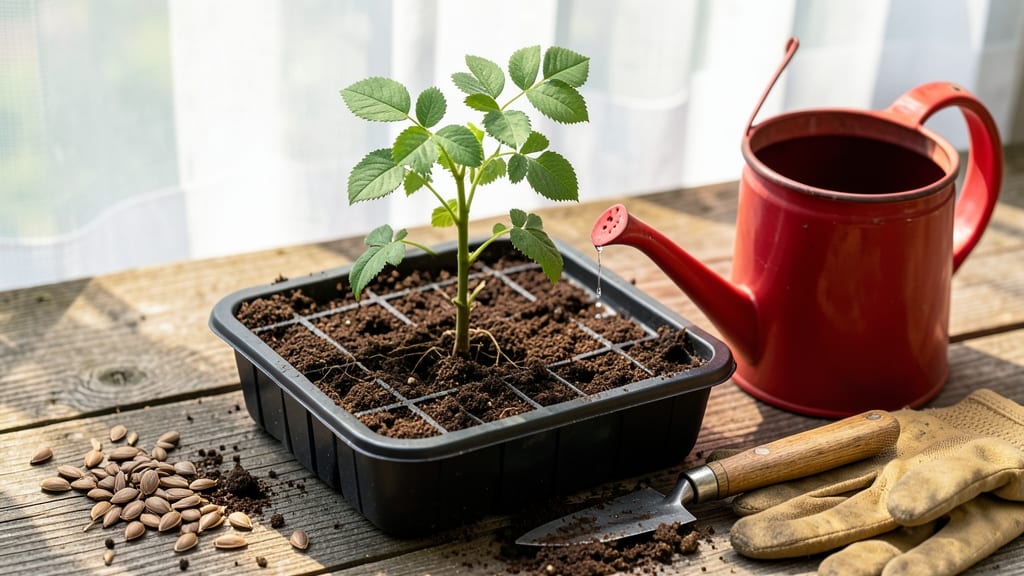
Growing a garden from rose seed is the ultimate patience test—and the most rewarding way to cultivate varieties you’ll never find at the nursery. 🌱 After my first batch of seedlings emerged after 12 weeks of waiting (yes, really), I realized the struggle was worth it for the heirloom roses that now climb my trellis every summer.
The secret isn’t fancy equipment—it’s warmth, moisture, and consistency. Start seeds indoors 8-10 weeks before your last frost in a mix of sterile potting soil and perlite. Keep them in a 70-75°F environment (a seedling heat mat helps) and mist daily to prevent drying.
Germination can take 3-6 weeks, but don’t give up—some varieties are slower than others.
Once those first green shoots appear, you’ll trade waiting for nurturing. Thin seedlings to 2-3 inches apart, give them bright, indirect light, and harden them off gradually before transplanting.
By late spring, you’ll have sturdy young plants ready to stake and shape—no more twisting struggles, just strong, healthy growth that pays off for years.
This method works for dwarf, climbing, and shrub roses, though hybrid teas take longer. The key is patience—your garden will thank you with blooms that last from early summer through fall. Ready to grow your own?
📚 In This Guide
- What you need
- Instructions
- Tips and common mistakes
- Wrapping up and next steps
What you need
- ● Rose seeds: Fresh, viable seeds (check for hip rose, dog rose, or wild rose varieties for best results). Aim for 5–10 seeds per planting.
- ● Growing medium: Seed-starting mix: 1–2 cups of sterile, well-draining potting soil (e.g., Miracle-Gro Seed Starting Potting Mix).
- ○ Optional: Perlite or vermiculite (1 part per 4 parts soil) to improve aeration.
- ● Containers: Small pots (3–4 inches wide) or a seed tray with drainage holes. 3–5 containers should suffice for your starter seeds.
- ● Watering can or spray bottle: A fine-mist sprayer works best to avoid disturbing seeds.
- ● Plastic wrap or humidity dome: To create a mini greenhouse effect (keep seeds moist).
- ○ Gloves: Optional but helpful for handling soil and seeds (nitrile or cotton works).
- ● Small hand trowel or spoon: For gently pressing seeds into soil.
- ○ Heat mat (optional): A seedling heat mat (set to 70–75°F) speeds up germination.
- ● Grow lights or sunny windowsill: Roses need 12–16 hours of light daily (a LED grow bulb works well).
- ● Fertilizer: A balanced, water-soluble fertilizer (e.g., 10-10-10) diluted to half-strength for seedlings.
- ● Patience: Rose seeds can take 4–12 weeks (or longer!) to germinate—don’t rush it!
- ● Space: Seedlings need 6+ inches of vertical space to grow before transplanting.
- ● Knowledge: Research your USDA Hardiness Zone (roses thrive in zones 3–10) for outdoor planting.
How to grow roses from seed without the usual growing pains
Here's how to bypass the frustration of hybrid roses and grow your own from seed—with better disease resistance and unique blooms.
🌱 Step 1: Collect and Stratify Rose Seeds
Start with fresh seeds from ripe rose hips—wait until they're deep red and slightly soft to the touch. Remove the seeds and clean off the pulp. Place them in a sealed container with a damp paper towel, then refrigerate for 6-8 weeks to mimic winter dormancy. This cold treatment, called stratification, tricks seeds into thinking they've survived winter and breaks their dormancy.
Check the towel weekly—it should stay moist but not soggy. If it dries out, mist it lightly and reseal. After 6-8 weeks, the seeds are ready to germinate. I've found that rose seeds germinate best when kept at 40-50°F during stratification, so a standard fridge works perfectly.
💧 Step 2: Plant Stratified Seeds in Moisture-Retentive Mix
Fill small pots with a mix of 50% peat moss and 50% perlite—this combination holds moisture while allowing airflow to prevent rot. Plant seeds ¼ inch deep, spacing them 1 inch apart in the pot. Gently press the soil around them to ensure good contact without compacting too tightly.
Cover the pots with clear plastic wrap or a humidity dome to retain warmth and moisture. Place them in a warm spot, like on top of the fridge, where temperatures hover around 70-75°F. Keep the soil consistently moist but never waterlogged—you'll know it's right when the surface feels damp but not wet to the touch.
☀️ Step 3: Provide Warmth and Light for Germination
Seeds typically sprout in 4-12 weeks, though some may take longer. Once they break through the soil, remove the plastic cover immediately to prevent fungal growth. Move the seedlings to a bright, indirect light spot—south-facing windows work well, but avoid direct midday sun, which can scorch tender leaves.
If you notice seedlings stretching toward the light with long, thin stems, they're not getting enough light. At this stage, I use a grow light set to 14-16 hours per day, keeping it 4 inches above the seedlings. Strong, healthy seedlings will have bold green leaves and short, sturdy stems—this is your cue that they're thriving.
🌿 Step 4: Transplant and Harden Off Seedlings
When seedlings develop 3-4 true leaves (not the initial seed leaves), transplant them into individual 3-inch pots filled with a mix of potting soil and compost. Handle the seedlings by their leaves, not the stems, to avoid damaging the delicate roots. Water gently after transplanting to settle the soil around the roots.
Start hardening off the seedlings 2 weeks before the last frost date by placing them outside in a sheltered spot for 1-2 hours the first day. Gradually increase their outdoor time over 10-14 days, eventually leaving them outside overnight. This slow acclimation prevents shock and ensures they're ready for the garden.
✂️ Step 5: Plant Outdoors and Provide Ongoing Care
Choose a sunny spot with at least 6 hours of direct sunlight and well-draining soil. Dig a hole slightly larger than the root ball and plant the seedlings 12-18 inches apart, depending on the mature size of the variety. Water deeply after planting to help the roots establish.
Mulch around the base with 2-3 inches of organic mulch to retain moisture and suppress weeds. Roses need regular watering, especially during the first growing season, so water deeply 1-2 times per week, ensuring the soil stays moist but not waterlogged. You'll know you're doing it right when the soil feels damp 1-2 inches below the surface.
Tips & tricks for perfect rose seed germination
These insider tricks will help you skip the common pitfalls and grow thriving rose seedlings from seed.
Stratification Success: The 6-8 week cold treatment is non-negotiable for rose seeds—this mimics winter conditions and breaks their natural dormancy. I've found that placing seeds in a sealed container with a damp paper towel works best, but you can also use a plastic bag with small air holes. The key is maintaining consistent moisture without letting the towel become soggy. If you're impatient, you can speed up the process slightly by using a seed stratification mat set to 40-50°F, but don't rush beyond the 6-8 week window.
Soil Mix Secrets: That 50/50 peat moss and perlite mix is gold for rose seedlings. The peat holds moisture while the perlite prevents compaction and promotes airflow—critical for preventing damping off disease. Pro tip: Sterilize your mix by baking it in the oven at 200°F for 30 minutes before use. This kills any fungal spores lurking in the soil that could harm your delicate seedlings.
Lighting Strategy: Those 14-16 hours of grow light are essential for preventing leggy seedlings. I recommend using a full-spectrum LED grow light since they're energy-efficient and provide the right light spectrum for seedlings. Position it just 4 inches above your seedlings and adjust as they grow. Watch for that classic "etiolation" sign—when seedlings stretch toward light with weak stems—that's your cue to either move them closer to the light or increase the light duration slightly.
Transplanting Wisdom: When your seedlings reach the 3-4 true leaves stage, handle them with care. I've learned the hard way that grasping stems damages the delicate root systems. Instead, support the seedling at the base while gently lifting it from the soil. After transplanting into 3-inch pots, water gently until you see moisture emerge from the drainage holes—this ensures the roots make full contact with the new soil.
Pro Tips for Rose Seed Grow A Garden
- These insider tricks will help you skip the common pitfalls and grow thriving rose seedlings from seed.
- Stratification Success: The 6-8 week cold treatment is non-negotiable for rose seeds—this mimics winter conditions an...
- Soil Mix Secrets: That 50/50 peat moss and perlite mix is gold for rose seedlings. The peat holds moisture while the ...
Frequently asked questions
Got questions about growing roses from seed?
You’re not alone! Here are some of the most common queries—and their straightforward answers—to help you cultivate a thriving garden with confidence.
How long does it take for rose seeds to germinate?
Germination can take anywhere from 2 weeks to 6 months, depending on the variety and conditions. Most seeds sprout within 4–8 weeks if kept in warm (70–75°F), moist soil. Patience is key—some heirloom or hybrid seeds may take longer. Pro tip: Soak seeds in warm water for 24 hours before planting to speed up the process!
Can I grow roses from seed indoors year-round?
Start seeds indoors 8–12 weeks before your last frost date using grow lights or a sunny windowsill. Keep soil consistently moist and maintain warmth (70–75°F). Once seedlings sprout, thin them to avoid overcrowding. Bonus: This method extends your growing season and protects tender seedlings from pests.
What’s the best soil mix for rose seeds?
Use a light, well-draining mix like a 50/50 blend of peat moss or coconut coir and perlite. Avoid heavy garden soil, which can suffocate seeds. A sterilized mix prevents mold. For extra nutrients, add a sprinkle of compost or worm castings. Troubleshooting: If seeds rot, your mix may be too dense—amend with sand or vermiculite.
Why aren’t my rose seeds sprouting?
Common culprits include cold soil, overwatering, or poor seed viability. Check these fixes:
- Temperature: Seeds need warmth (use a heat mat if needed).
- Moisture: Keep soil damp, not soggy—use a spray bottle.
- Scarification: Some seeds need a scratch (file or sandpaper) to break dormancy.
- Freshness: Older seeds may not sprout—source from reputable suppliers.
If all else fails, try stratification (cold treatment) for 4–6 weeks.
Will roses grown from seed look like the parent plant?
Not always! Seed-grown roses are unpredictable—they may resemble the parent but often produce unique hybrids with different colors, sizes, or fragrances. For true-to-type roses, grafting or buying cuttings is better. Embrace the surprise! Your garden could bloom with one-of-a-kind varieties.
Are there easy rose varieties for beginners?
Yes! Start with heirloom or old garden roses, like:
These varieties are forgiving and perfect for seed starters. Pro tip: Check seed packets for "easy-to-grow" labels to narrow your choices.
Wrapping up and next steps
Growing roses from seed is a rewarding journey that turns your garden into a fragrant, ever-blooming paradise—without the usual struggles! 🌸 From selecting the right seeds to nurturing them year-round, each step builds confidence and connection with nature.
Remember, patience and care are your best tools, and even small efforts yield beautiful results.
Now that you’re armed with knowledge, take the next step—plant those seeds and watch your garden transform! Start small, experiment, and enjoy the process. Happy growing, and may your garden bloom with joy! 🌱💖