Lawn
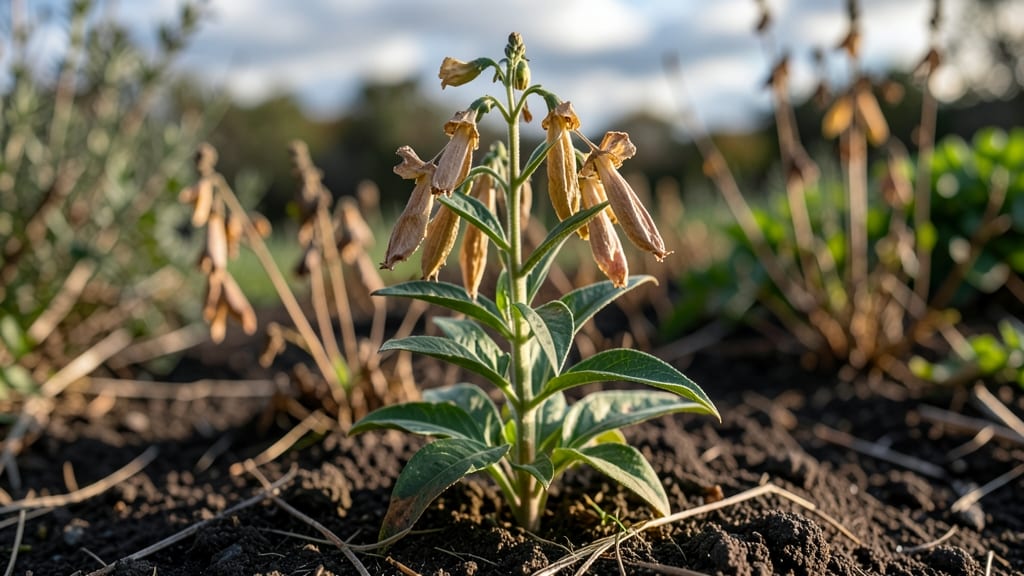
Harvesting snapdragon seed pods turns last year’s blooms into next season’s garden magic. 🌱 I’ve saved seeds for years, and the process is simpler than it seems—no special tools or complicated steps, just a little patience and the right timing.
The moment those pods turn from green to brown is when the real fun begins, and you’ll end up with seeds that cost pennies compared to store-bought packets.
Start by identifying mature pods—they’ll feel dry to the touch and split open naturally when ready. Use a pair of clean scissors or your fingers to gently twist them off the stems, being careful not to crush the seeds inside.
A brown paper bag works perfectly for collecting them, and you’ll only need about 10 minutes of your time for a full harvest. The key is to work on a dry day so the pods don’t stick together or mold.
Once collected, lay the pods out on a screen or paper towel in a dry, shaded spot for 1-2 weeks to finish drying. You’ll hear the seeds rattling inside as they mature—it’s the sound of future gardens being born.
After drying, simply shake the pods to release the seeds, then store them in an airtight container in a cool, dark place. These seeds stay viable for 3-4 years, meaning you’ll never need to buy new ones again.
This zero-waste technique not only saves money but also connects you to the full cycle of your garden. Plus, homegrown seeds often produce plants that are hardier and more vibrant than their store-bought counterparts.
Whether you’re a seasoned gardener or just starting out, this method is a game-changer for sustainable growing.
📚 In This Guide
- What you need
- Instructions
- Tips and common mistakes
- Wrapping up and next steps
What you need
- ● Fresh snapdragon seed pods: 10–20 mature pods (fully dried, brown, and slightly papery). Harvest them when they’ve split open naturally or gently twist them off the plant.
- ● Sharp scissors or pruning shears: 1 pair (for cleanly snipping pods from stems). Opt for bypass pruners to avoid crushing seeds.
- ● Paper towels or parchment paper: 2–3 sheets (for drying and separating seeds). Avoid tissue paper—it tears too easily!
- ● Small bowls or containers: 2–3 (for sorting seeds by size/color). Glass jars or ceramic dishes work best.
- ● Fine-mesh strainer or sieve: 1 (to sift out debris and chaff). A 1–2mm mesh size is ideal for snapdragon seeds.
- ● Air-dry space: A cool, well-ventilated area (like a windowsill or drying rack) away from direct sunlight.
- ● Permanent markers or labels: 1–2 (to tag seed containers with plant names/varieties). Use archival-quality markers for longevity.
- ● Paper bags or envelopes: 3–5 (for storing seeds long-term). Opt for breathable kraft paper to prevent moisture buildup.
- ● Desiccant packets: 1–2 (place in seed storage bags to absorb excess moisture). Silica gel packets work well.
- ● Magnifying glass: 1 (for inspecting seeds for pests or damage). A 10x magnification is perfect.
- ● Seed-saving journal: 1 (to track varieties, harvest dates, and germination notes). A simple notebook or digital app suffices!
- ○ Essential oil spray (optional): A few drops of neem oil or lavender oil in water (to deter pests during drying). Lightly mist pods before storage.
How to harvest snapdragon seed pods without waste
Here’s my no-fuss method for collecting seeds while keeping your garden tidy and productive.
🌱 Step 1: Identify Mature Seed Pods
Snapdragon seed pods ripen when they turn from green to a dry, papery brown and begin splitting open at the seams. Look for pods that feel crisp to the touch and have tiny slits along their sides—this is your cue they’re ready. I like to harvest in the morning when dew is off the plants, as the pods are easier to handle dry.
Gently pinch off pods with your fingers rather than cutting them—this prevents damaging the stems and encourages more flowers to bloom. If you miss a pod and it splits open naturally, the seeds will scatter, but you’ll still find plenty of viable seeds on the soil below. Collect these immediately to avoid losing them to birds or wind.
💧 Step 2: Dry and Open the Pods
Spread the harvested pods on a clean, dry surface in a single layer, away from direct sunlight. A mesh bag or a paper towel works perfectly. Let them dry for 3-5 days until they’re completely brittle—you’ll know they’re ready when they crumble easily between your fingers. Avoid rushing this step; damp pods won’t open properly and may mold.
Once dry, place the pods in a paper bag and give it a few gentle shakes. The pods will split open, releasing seeds inside. I like to do this over a tray or sheet of paper to catch any stray seeds that might escape. If some pods resist, gently crush them with your fingers—they’ll release their seeds easily once fully dried.
☀️ Step 3: Clean and Store the Seeds
After shaking, you’ll have a mix of seeds and chaff (the papery bits). To clean them, spread the contents on a flat surface and use a fine-mesh strainer or your fingers to separate the seeds from the debris. Snapdragon seeds are small but distinct—they’re usually a light brown color and slightly oval-shaped. Discard any dark or shriveled seeds, as they won’t germinate well.
Store the cleaned seeds in an airtight container, like a small glass jar or envelope, and keep them in a cool, dry place. Label the container with the snapdragon variety and the harvest date. Properly stored seeds remain viable for 2-3 years, so you’ll have plenty for future plantings. If you notice any moisture or mold after a few weeks, transfer the seeds to a new container immediately.
✂️ Step 4: Repurpose Pods and Stems
Don’t toss the empty pods or spent stems! Crush the dried pods into a fine powder and mix them into your compost bin—they’ll break down quickly and add nutrients to your soil. Alternatively, place whole pods in a vase with fresh flowers for a rustic, dried-flower arrangement. The stems can also be bundled and hung to dry for winter crafts or potpourri.
If your snapdragons are still producing flowers, trim back the stems just above a set of leaves after harvesting pods. This encourages bushier growth and more blooms. I always leave a few pods on the plant to ensure a steady supply of seeds for next season—just don’t let them go to seed all at once, or you’ll sacrifice future flowers.
Tips & tricks for perfect snapdragon seed pod harvesting
Here's what I've learned after years of experimenting to make this process smoother than ever.
Timing is Everything: Harvest snapdragon seed pods in the morning when dew is off the plants. This makes them easier to handle and prevents them from sticking to your fingers. I've found that pods harvested in the afternoon can feel slightly damp, which makes the drying process take longer than the recommended 3-5 days. The morning harvest also gives you a head start on drying before evening humidity sets in.
Drying Technique: When drying your pods, avoid direct sunlight to prevent them from becoming brittle too quickly. I like to use a mesh bag or paper towel in a well-ventilated area. The key is to let them dry slowly and evenly. If you notice any pods starting to mold after 2-3 days, spread them out again and give them extra time to dry completely. This step is crucial because damp pods won't open properly when you shake them.
Seed Separation Hack: After shaking the pods, use a fine-mesh strainer or even your fingers to separate the seeds from the chaff. I've found that snapdragon seeds are usually light brown and oval-shaped. Discard any dark or shriveled seeds—they won't germinate well. For a quicker cleanup, place the seeds and chaff mixture on a baking sheet and gently blow away the lighter chaff with a straw. This method works surprisingly well and saves time.
Storage Wisdom: Store your cleaned seeds in an airtight container in a cool, dry place. I always label my containers with the snapdragon variety and the harvest date. This helps me keep track of how long the seeds have been stored. Remember, properly stored seeds remain viable for 2-3 years, so you'll have plenty for future plantings. If you notice any moisture or mold after a few weeks, transfer the seeds to a new container immediately to prevent spoilage.
Pro Tips for Snapdragon Seed Pods
- Here's what I've learned after years of experimenting to make this process smoother than ever.
- Timing is Everything: Harvest snapdragon seed pods in the morning when dew is off the plants.
- Drying Technique: When drying your pods, avoid direct sunlight to prevent them from becoming brittle too quickly.
Frequently asked questions
Got questions about harvesting and using snapdragon seed pods? We’ve got you covered! Here are some of the most common queries—and their simple, stress-free solutions.
When is the best time to harvest snapdragon seed pods?
The ideal time is when the pods turn light brown and start splitting open naturally—usually late summer to early fall. Avoid harvesting if the pods are still green or if seeds are already spilling out. A gentle squeeze test helps: if seeds rattle inside, they’re ready!
How do I know if the seeds inside are viable?
Viable seeds should be plump, dark, and uniform in color. If they’re shriveled, discolored, or moldy, they won’t sprout. For extra peace of mind, test a few by planting them in moist soil—germination should start in 10–14 days if they’re good to go.
Can I save snapdragon seeds from store-bought flowers?
Unfortunately, no—store-bought snapdragons are often hybrids and won’t produce true-to-type seeds. For reliable seeds, grow your own plants from scratch or source them from a trusted seed supplier. It’s a small trade-off for vibrant, heirloom-quality blooms next season!
What’s the best way to store snapdragon seeds for next year?
Keep seeds in a cool, dry place (like a sealed envelope or airtight container) away from direct sunlight. A fridge or freezer works too! Label them with the date—they stay viable for 2–3 years, though germination rates drop after the first year.
What do I do if my seed pods are attracting pests?
Birds, squirrels, and insects love snapdragon seeds! To deter them, harvest pods as soon as they’re ripe and store them indoors. If pests are already feasting, try covering plants with fine mesh netting or shaking pods over a tray to collect seeds before they scatter.
Still stumped? Drop your question in the comments—we’re happy to help you master the art of zero-waste snapdragon seed saving!
Wrapping up and next steps
Harvesting snapdragon seed pods is a rewarding way to embrace zero-waste gardening while enjoying vibrant blooms year after year! 🌱 With the right tools and techniques, you can effortlessly collect seeds, repurpose pods, and even compost what’s left—turning gardening chores into creative, sustainable wins.
Whether you’re a seasoned green thumb or just starting out, this method makes seed saving simple and eco-friendly.
Now that you’re equipped with the know-how, why not take the next step? Share your snapdragon seeds with fellow gardeners, experiment with new varieties, or even craft seed paper for a fun DIY project. Happy harvesting—and may your garden flourish with every seed you save! 🌸